David Starkey Talks
@davidstarkeytalks·213K subscribers·759 videos
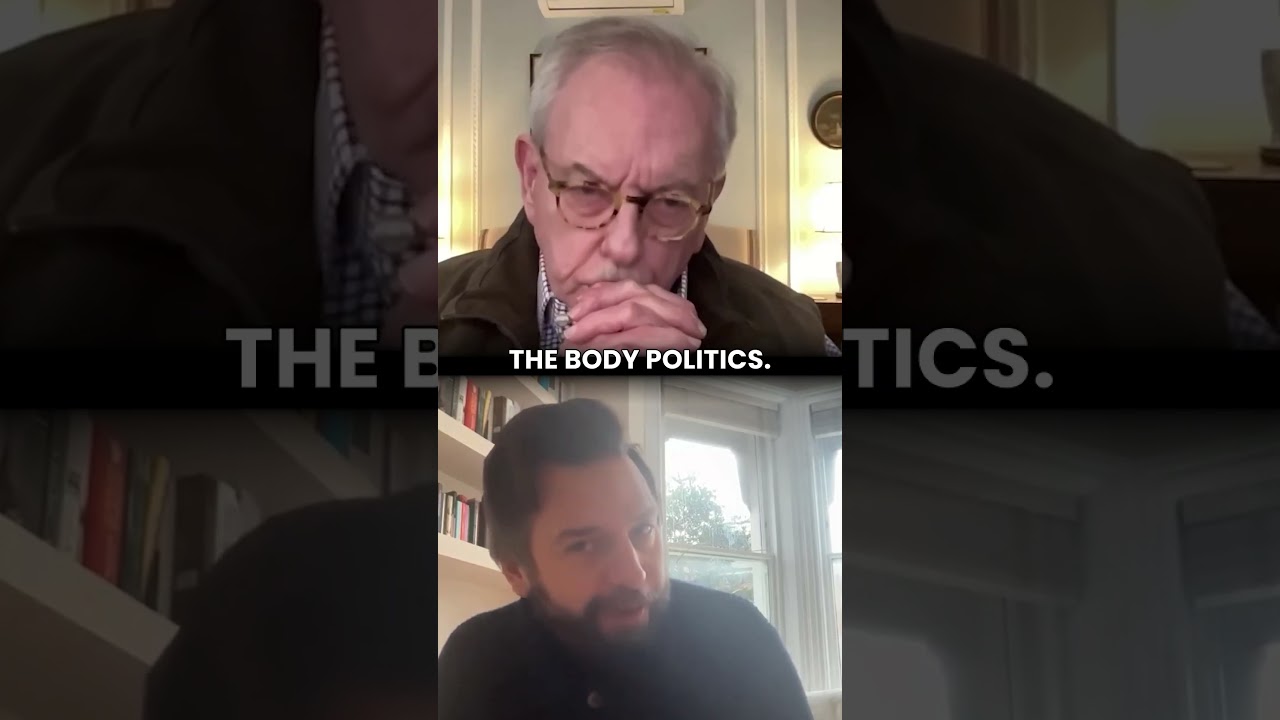
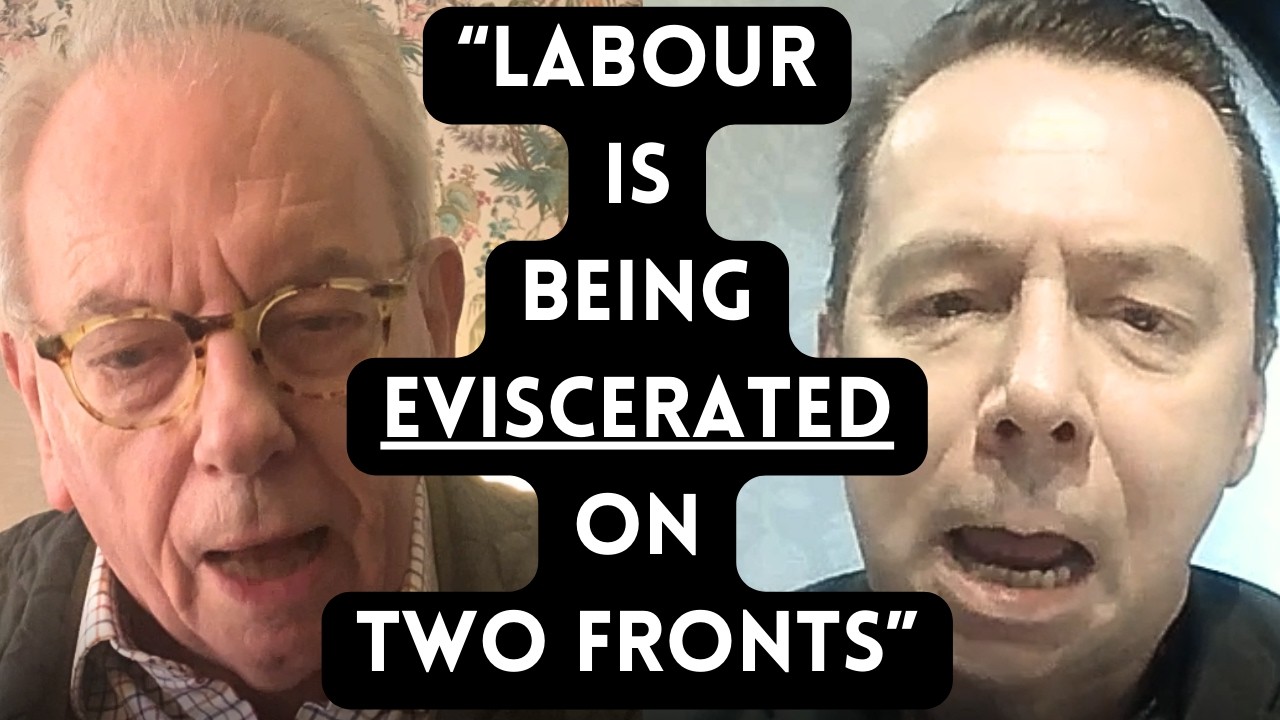
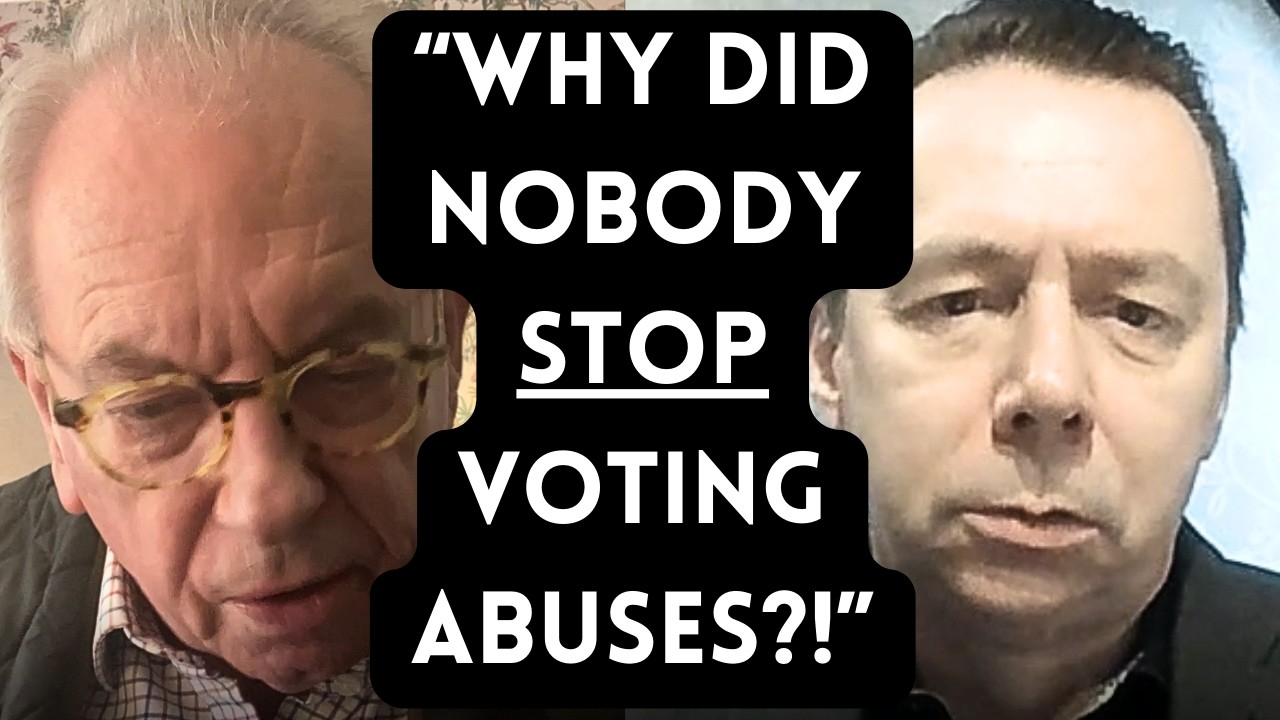
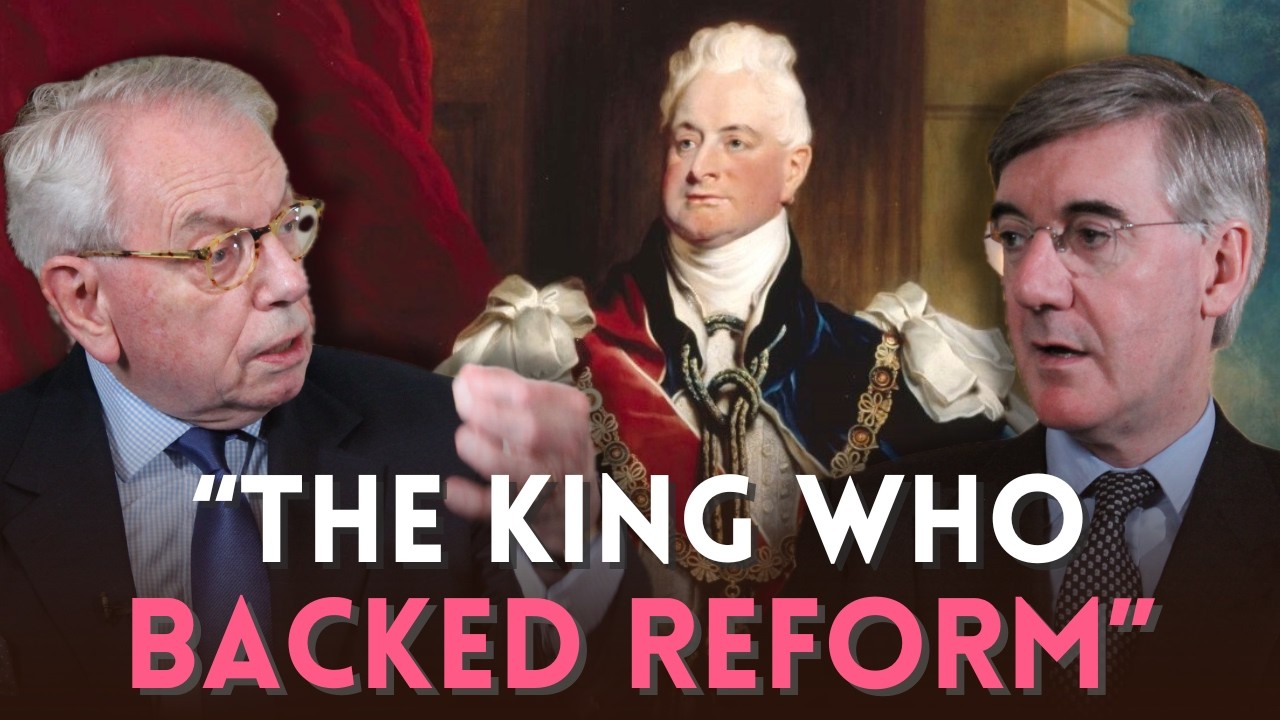
"The KING who backed REFORM" | David Starkey and Jacob Rees Mogg outline model for monarchy
Posted
March 3, 2026
Views
14,622
Likes
601
Comments
67
Engagement
March 3, 2026
14,622
601
67
4.57%
Every word spoken in this episode is indexed. Type any phrase to jump straight to the moment it was said.
Type any word or phrase that may have been spoken. Click a result to seek the player to that exact moment.
Try a name, a topic, or a quoted line
 10:40Now Playing
In my recent discussion with Sir Jacob Rees-Mogg, he asked me an intriguing question. We'd been discussing which were our favourite monarchs of each century.
Sir Jacob was tempted to skip over the 19th century, on the grounds that there wasn't a lot of choice. Queen Victoria, after all, ruled the country for almost two-thirds of the 1800s. But I suggested we discuss the thoroughly short, unpopular, but hugely valuable reign of William IV.
A debauched roisterer with a disastrous marriage and long-term mistress, William IV nonetheless oversaw momentous political change. He was the King at the time of the Great Reform Act of 1832. And though sympathetic, as any royal of his day was likely to be, towards the Tories, he was persuaded that the case for reform was unanswerable, and didn't stand in the way of it.
As we survey our own political landscape, history is an incredibly rich resource from which we can learn and judge affairs. The early 19th century was a time of tumult and political disorder, street violence and economic disquiet. But the men of the age were able to accept change while retaining the essential elements of the British constitution.
Indeed, one of the ultimate products of that acceptance was the emergence of the Labour Party. For the Labour Party and the progressive establishment now to behave like some ancien regime, and seek to thwart the political aspirations of British people as expressed at the ballot box and polls is, in historical terms, the height of hypocrisy.
Take, for example, the issue of peers in the House of Lords. Given their level of popular support, shouldn't Reform by now be permitted to have have at least one? Sir Keir Starmer won't hear of it.
He could take a leaf out of the book of William IV. The King who loved nothing more than sailing, shagging and swearing, but who had the sense to know that standing in the way of political reform is a road to ruin and desiccation.
Sentinel Indexing in Progress
Metadata and chapters are available. Claim extraction for this episode is pending.
All video content is delivered via YouTube embedded players in accordance with the YouTube Terms of Service. Sentinel provides research tools that promote discovery and accountability across political media.