Decoding Geopolitics Podcast with Dominik Presl
@decodinggeopoliticspodcast·119K subscribers·282 videos
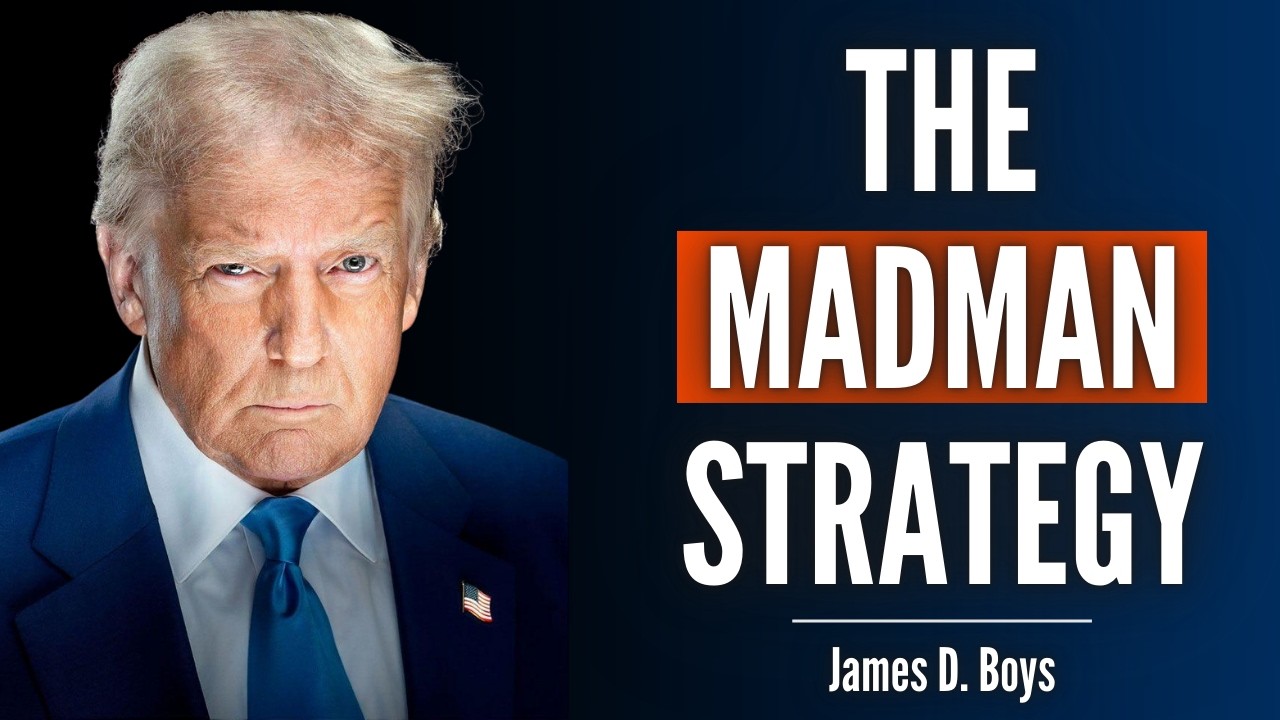
The Controversial Trump's Strategy That Explains His Craziest Decisions | James D. Boys
Posted
February 28, 2026
Views
2,357
Likes
81
Comments
February 28, 2026
2,357
81
23
4.41%
Every word spoken in this episode is indexed. Type any phrase to jump straight to the moment it was said.
Type any word or phrase that may have been spoken. Click a result to seek the player to that exact moment.
Try a name, a topic, or a quoted line
 43:40Now Playing
➡️ Watch the full interview adfree, join a community of geopolitics enthusiasts and gain access to exclusive content on PATREON
➡️ Sign up to my free geopolitics newsletter
This is a conversation with James D Lindsay, a Research Fellow at University College London and an author of a book on what’s called a Madman theory - a foreign policy strategy in which a leader attempts to present himself as completely irrational and willing to inflict great damage on themselves and the others in order to improve their negotiating position and create fear around possible escalation - even if in reality, they are actually a lot more restrained and not as mad as it may seem. The pioneer of this theory was Richord Nixon but the person who is often speculated to truly master the theory is Donald Trump - although there is a big debate over whether he is playing a madman to get what he wants - or whether that’s just really who he is.
With James we talk about how Nixon tried and failed to use this strategy and pioneering this approach but we mostly focus on Donald Trump - about his first term and threatening North Korea with fire and fury, assassinating the Iranian general Qaseem Soleimani and threatening to leave NATO and his second term and his tariff war and attempt for Greenland takeover.
To be honest, I don’t actually agree with most of James’s conclusions. I’m not nearly as sure that Donald Trump is just playing a madman and that it’s all part of a rational, negotiating tactic as he is - I can think it could just as well be a genuine chaos and irrationality. And even if it is a rational strategy, I really don’t think that it has been nearly as successful as James argues, especially in Trump’s second term. And that - whether it is a rational strategy or not - it causes more damage to US interests than it helps them. And so in the podcast, we disagree and argue about both of those things. But nevertheless, I do think that the theory and the concept, the arguments and this whole conversation is really interesting.
Sentinel Indexing in Progress
Metadata and chapters are available. Claim extraction for this episode is pending.
All video content is delivered via YouTube embedded players in accordance with the YouTube Terms of Service. Sentinel provides research tools that promote discovery and accountability across political media.