Doha Debates
@dohadebates·2.4M subscribers·478 videos
Going Green: Can the global south develop without fossil fuel?
Posted
May 14, 2024
Views
1,145,318
Likes
8,869
Comments
32
Engagement
0.78%
May 14, 2024
1,145,318
8,869
32
0.78%
Every word spoken in this episode is indexed. Type any phrase to jump straight to the moment it was said.
Type any word or phrase that may have been spoken. Click a result to seek the player to that exact moment.
Try a name, a topic, or a quoted line
 40:36Now Playing
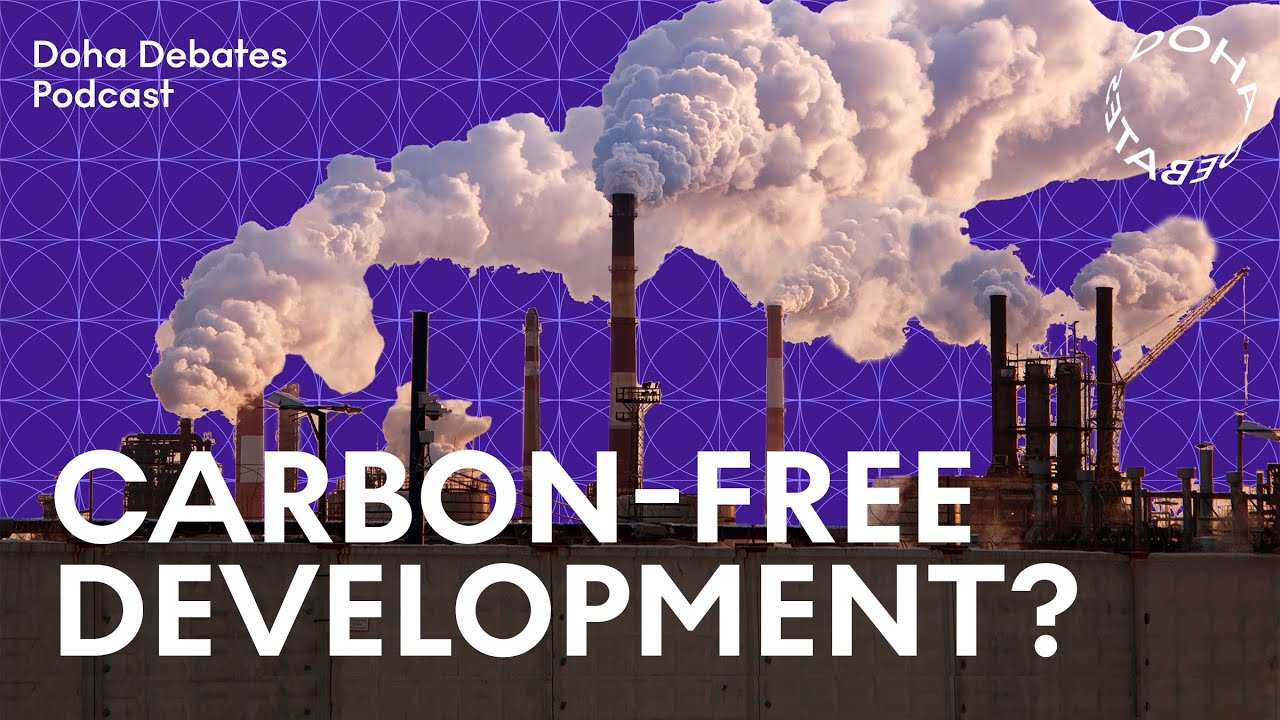
Climate anxieties—and global temperatures—are on the rise. According to the United Nations, if the planet warms by 1.5 degrees Celsius, we’ll be facing irreversible climate damage. To stop that increase, we need to reach net zero emissions by 2050. Reaching such an ambitious goal means changing a lot of our behaviors, including cutting back on our use of fossil fuels. But should everyone, and every nation, be held to the same standard? Is it realistic to ask countries in the global south to shoulder equal responsibility for cutting carbon emissions?
Dr. Rahul Tongia, Senior Fellow at the Centre for Social and Economic Progress (CSEP) in New Delhi and non-resident Senior Fellow at the Brookings Institution, concedes that while we must be more innovative and aggressive when it comes to the development of green technology, it’s unrealistic to cut out fossil fuels entirely. He adds that we need to decouple the idea of “access” from “clean,” and make sure there is electrical wiring in every home across the globe before we focus on going green.
Zaki Mamdoo, South African environmental activist and coordinator of the StopEACOP (Stop East African Crude Oil Pipeline) campaign, says that it is entirely unnecessary to harm the environment in order to increase energy access. He says fossil fuels are actually anti-development, in that they not only pollute the air, land, water and livestock, but they destroy local economies, desecrate cultural sites and ruin labor systems and communities. He argues that all nations must refrain from new fossil-fuel use, leapfrog towards more renewable energy resources like wind and solar and embrace a just transition to a low-carbon economy.
Watch these experts discuss and dissect the best pathways to a greener world on this episode of Doha Debates Podcast.
This special episode is inspired by Necessary Tomorrows, a podcast from Doha Debates and presented by @aljazeeraenglish that combines fiction and fact to imagine better futures. To dig deeper into the core issues of environmentalism and the ethics of energy use and development, check out the episode “The Last Impala.” Listeners are thrust into a world in the near future where a climate refugee is on trial for murder—not for killing a human, but for killing an ecosystem.
Doha Debates Podcast is a production of Doha Debates and FP Studios. This episode is hosted by Karen Given. Thoughts on this conversation? Let us know! Follow us everywhere @DohaDebates and join the post-episode discussion in our YouTube comments.
►► Subscribe & join the conversation
Don’t Settle for a Divided World. Think. Debate. Act. Let’s find solutions to the world's most pressing problems.
Doha Debates examines the world's most pressing challenges through live debates, digital videos, a TV series, blogs and podcasts. This innovative approach includes Majlis-style conversations designed to bridge differences, build consensus and identify solutions to urgent global issues.
►► Follow us on Facebook
►► Follow us on Twitter
►► Follow us on Instagram
Sentinel Indexing in Progress
Metadata and chapters are available. Claim extraction for this episode is pending.
All video content is delivered via YouTube embedded players in accordance with the YouTube Terms of Service. Sentinel provides research tools that promote discovery and accountability across political media.