Dr John Campbell
@campbellteaching·3.3M subscribers·3.1K videos
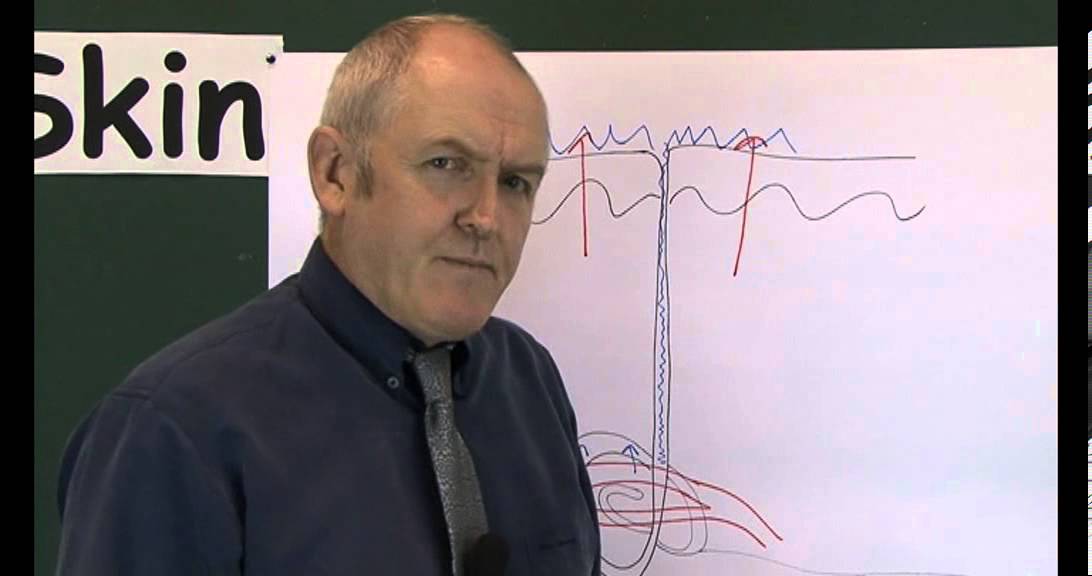
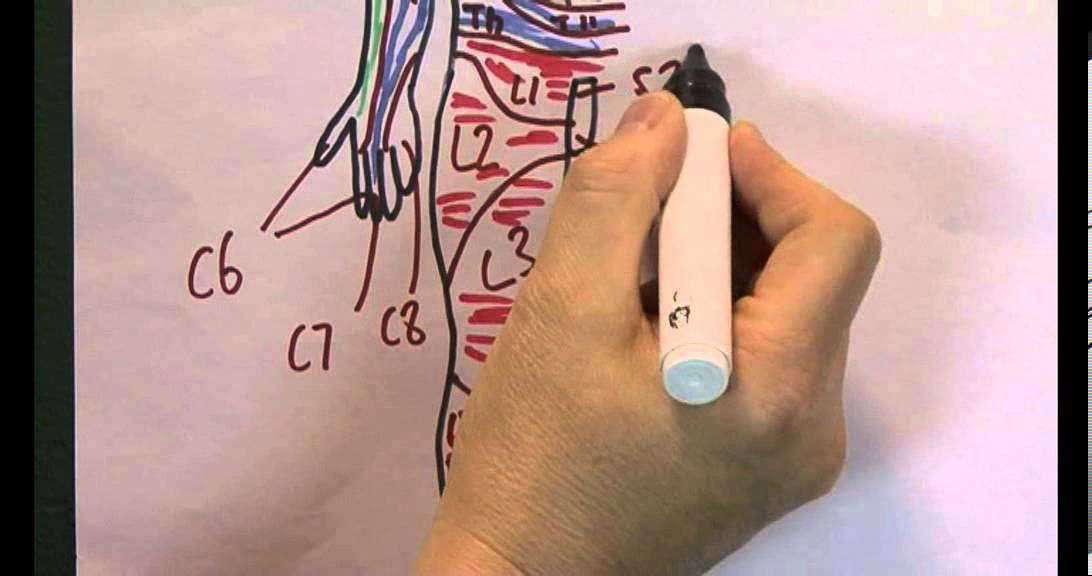
Shock 14, Neurological compensations in developing shock
Posted
May 23, 2013
Views
7,844
Likes
113
Comments
12
Engagement
1.59%
May 23, 2013
7,844
113
12
1.59%
Every word spoken in this episode is indexed. Type any phrase to jump straight to the moment it was said.
Type any word or phrase that may have been spoken. Click a result to seek the player to that exact moment.
Try a name, a topic, or a quoted line
 6:18Now Playing
Now you have watched these 14 videos on shock the following questions should be a breeze..........
1. Which of the following are possible causes of hypovolaemic shock?
(Choose two answers)
a. Vasovagal attacks
b. Burns
c. Parasympathetic overactivity
d. Internal haemorrhage
e. Cardiac failure
f. Spinal cord injury
2. Why may burns lead to shock?
(Choose one answer)
a. They reduce plasma potassium levels
b. They increase production of endorphins
c. They cause a reduction in plasma volume
d. Burns trigger a reflex which reduces stroke volume
e. Burns cause global peripheral vasodilatation
3. Which of the following are clinical features of hypovolaemic shock
(Choose two answers)
a. Bradycardia
b. Tachycardia
c. Peripheral vasodilatation
d. Peripheral vasoconstriction
e. Bronchconstriction
4. Which of the following are clinical features of hypovolaemic shock?
(Choose three answers)
a. Generalised pallor
b. Thirst
c. Generalised erythema
d. Pulse is fast weak and thready
e. Pulse is slow full and bounding
5. Which of the following may be a complication of shock?
(Choose 2 answers)
a. Alkalosis
b. Acidosis
c. Renal failure
d. Emphysema
e. Billary obstruction
6. Which of the following could lead to hypotension?
(Choose two answers)
a. Reduced venous return
b. Increased stroke volume
c. Reduced cardiac output
d. Peripheral venoconstriction
e. Peripheral vasodilation
7. Arterial blood pressure is detected by the;
(Choose two answers)
a. Peripheral chemoreceptors in the carotid bodies
b. Central chemoreceptors in the medulla oblongata
c. Baroreceptors in the aorta and carotid arteries
d. Hepatocytes lining the liver sinusoids
e. Haematogenic stem cells in the bred bone marrow
f. Afferent arterioles in the kidney
8. Which of the following are possible causes of obstructive shock?
(Chose three answers)
a. Deep venous thrombosis
b. Pulmonary embolism
c. Pulmonary contusion
d. Intracranial haematoma
e. Long bone fractures
f. Pneumothorax
g. Tension pneumothorax
h. Haemothorax
i. Cardiac tamponade
9. The most common cause of death in the UK after trauma is;
(Chose one answer)
a. Intracranial haematoma
b. Neurogenic shock
c. Sepsis
d. Haemorrhagic hypovolaemia
e. Tension pneumothorax
f. Cardiogenic shock
10. Which of the following are factors in anaphylactic shock?
(Choose two answers)
a. Vasodilation of peripheral arterioles
b. Reduced numbers of red cells in the circulation
c. Vasovagal bradycardia
d. Decreased levels of sympathetic activity
e. Increased levels of parasympathetic activity
f. Reduced cardiac output
g. Mass release of histamine from mast cells
11. Acute renal failure is present if urine volumes drop below;
(Chose one answer)
a. 0.05 mls / kg per day over 2 days
b. 0.5 mls / Kg per hour over 2 hours
c. 1 ml / Kg per hour over 2 hours
d. 5 mls / Kg per hour over 2 hours
Sentinel Indexing in Progress
Metadata and chapters are available. Claim extraction for this episode is pending.
All video content is delivered via YouTube embedded players in accordance with the YouTube Terms of Service. Sentinel provides research tools that promote discovery and accountability across political media.