Diabetes 4, Type one and type two pathophysiology
July 3, 2013
48,576
481
77
1.15%
Search the Record
IndexedEvery word spoken in this episode is indexed. Type any phrase to jump straight to the moment it was said.
Type any word or phrase that may have been spoken. Click a result to seek the player to that exact moment.
Try a name, a topic, or a quoted line
Dr John Campbell Episodes Around July 3, 2013
See what was published immediately before and after this episode.


 6:29Now Playing
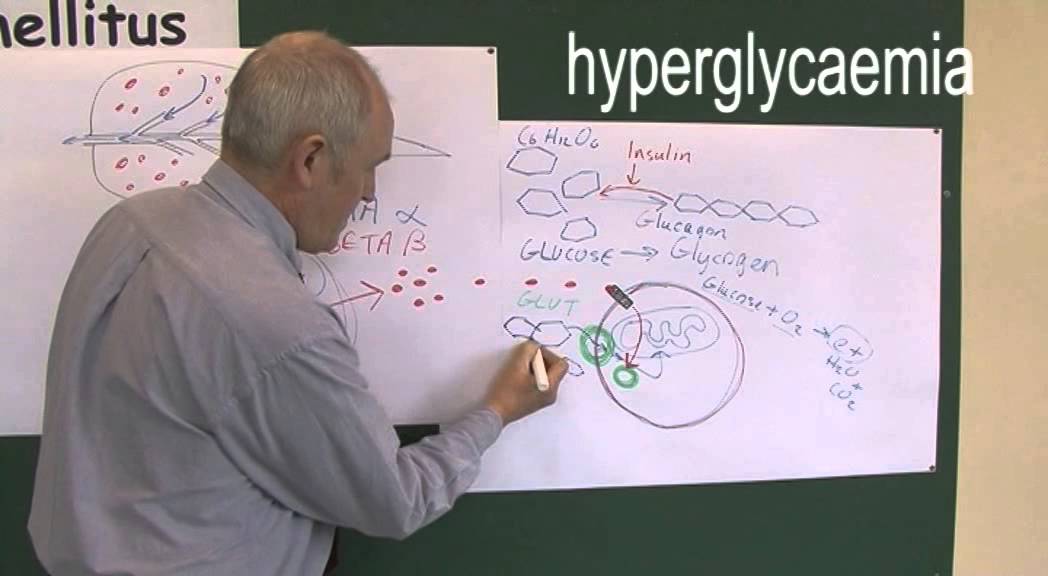
Diabetes 4, Type one and type two pathophysiology



YouTube Description
as posted by the channelTypes of diabetes mellitus (DM)
Two forms of diabetes mellitus are currently recognised, simply referred to as types 1 and 2.
Type 1
Type 1 DM is associated with complete destruction of the beta cells and an absolute insulin deficiency. Type 1 diabetics are always insulin dependent; it is an IDDM (insulin dependent diabetes mellitus).
Type 2
In established cases of type 2 DM there is a reduced level of beta cell function. However, the disease process starts with the insulin receptors; these do not work properly or are reduced in numbers. This means that even though insulin is produced, the receptors are unable to make use of it. This situation is described as insulin resistance. These patients can often be managed without using insulin i.e. type 2 diabetes may be a NIDDM (non insulin dependent diabetes mellitus). However type 2 diabetes may progress to become insulin dependent, and so may become an IDDM. Type 2 disease is the most common form of diabetes mellitus.
Guests & Subjects Covered
Sentinel Indexing in Progress
Metadata and chapters are available. Claim extraction for this episode is pending.
All video content is delivered via YouTube embedded players in accordance with the YouTube Terms of Service. Sentinel provides research tools that promote discovery and accountability across political media.