Anatomy 4, Head Neck and Swallowing
July 15, 2013
19,927
169
9
0.89%
Search the Record
IndexedEvery word spoken in this episode is indexed. Type any phrase to jump straight to the moment it was said.
Type any word or phrase that may have been spoken. Click a result to seek the player to that exact moment.
Try a name, a topic, or a quoted line
Dr John Campbell Episodes Around July 15, 2013
See what was published immediately before and after this episode.


 3:01Now Playing
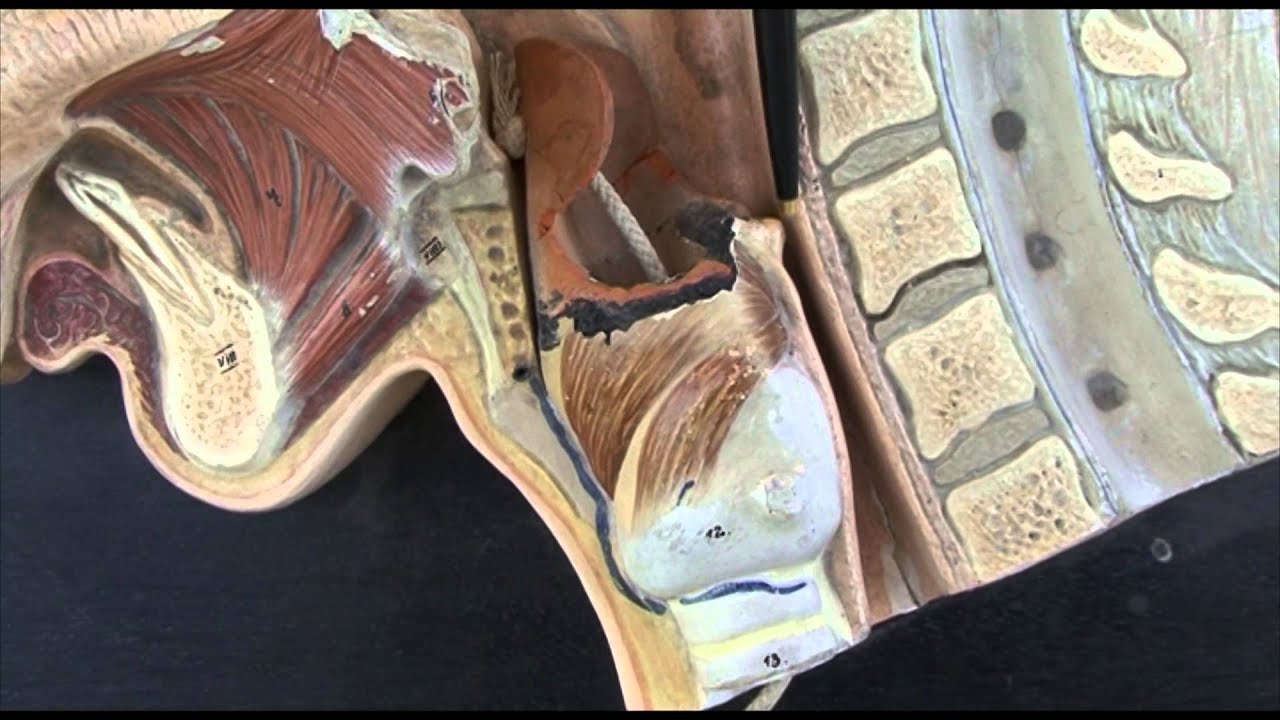
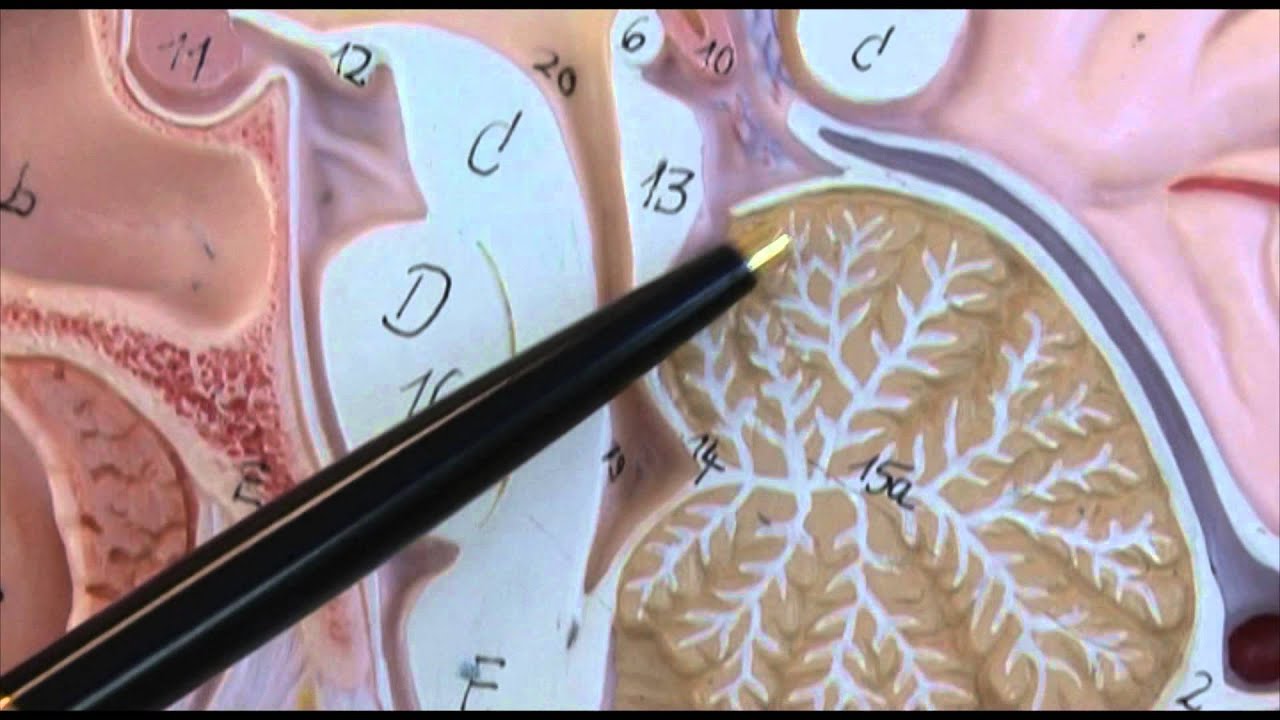
Anatomy 4, Head Neck and Swallowing



YouTube Description
as posted by the channelThe process of speech
The vocal cords are made of elastic ligaments covered by mucous membrane. They are stretched between rigid pieces of cartilage in the larynx so they may vibrate (like a guitar string) and produce sound. Vibration produces sound, e.g. an object vibrating 256 times per second will produce a middle C. How tight the vocal cords are may be altered by muscles attached to the cords and the rigid cartilages. The more contracted these muscles the tighter the cords will be, this will also make the gap between the cords more narrow so a higher pitched note will be produced. Contraction of the diaphragm and intercostal muscles regulates the flow of air through the cords. The greater the pressure of air from the lungs the louder the noise. From the vocal cords the sound then resonates through the pharynx and nasal cavity. Contractions of the walls of the pharynx produce the vowel sounds in English. Speech is further modified by the action of the tongue, lips and facial muscles. Men usually have thicker vocal cords than women so have deeper voices, this thickening occurs at puberty and is responsible for the voice `breaking`.
Guests & Subjects Covered
Sentinel Indexing in Progress
Metadata and chapters are available. Claim extraction for this episode is pending.
All video content is delivered via YouTube embedded players in accordance with the YouTube Terms of Service. Sentinel provides research tools that promote discovery and accountability across political media.