Dr John Campbell
@campbellteaching·3.3M subscribers·3.1K videos
Respiratory System in Children 1, Airway
Posted
May 3, 2019
Views
3,392
Likes
77
Comments
5
Engagement
2.42%
May 3, 2019
3,392
77
5
2.42%
Every word spoken in this episode is indexed. Type any phrase to jump straight to the moment it was said.
Type any word or phrase that may have been spoken. Click a result to seek the player to that exact moment.
Try a name, a topic, or a quoted line
 12:02Now Playing
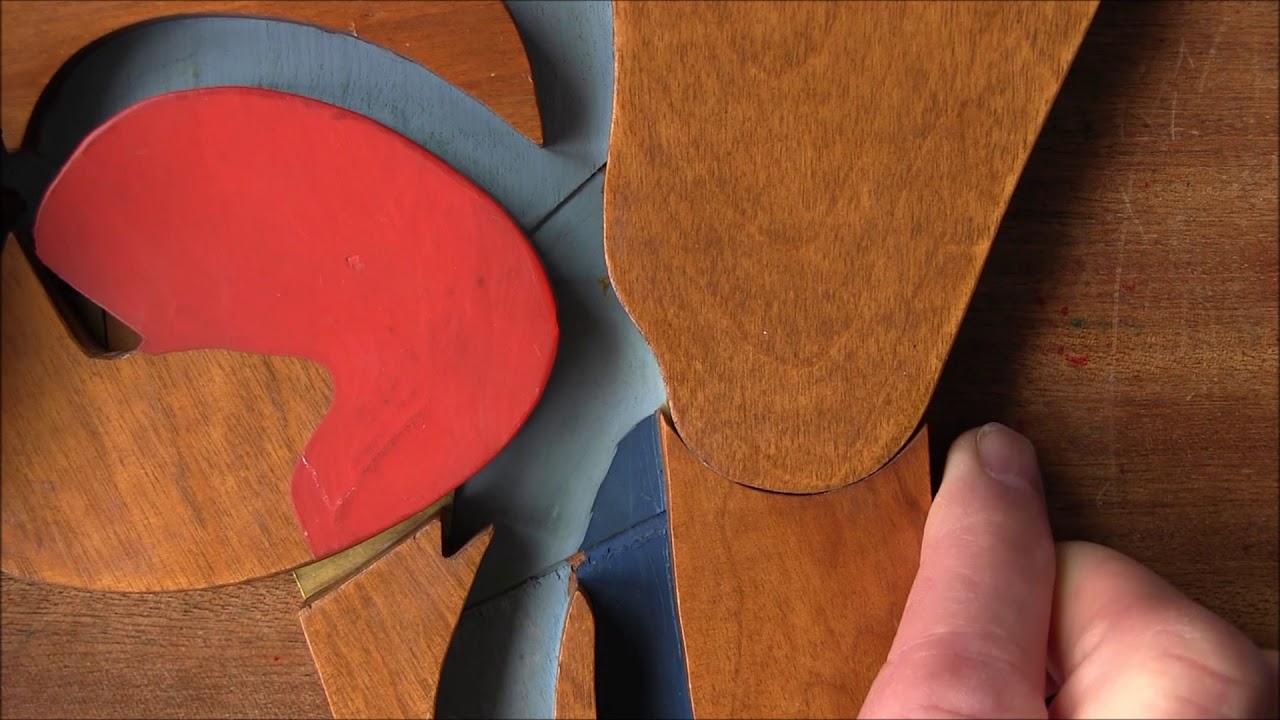
A is for airway. A discussion of the differences between the adult and infant upper airway structures and why this information is clinically essential.
Children have a proportionally large head
Body proportions also change with increasing age. For example, at birth a child’s head represents 19% of total body surface area (BSA). However, during childhood the head grows relatively less than the rest of the body, so by age 15 years, the head represents 9% of BSA. There are also differences in the relative proportional sizes of the bones of the skull. For example, the back of the head is prominent in infants, this area is termed the occiput, after the occipital bone of the skull and the occipital lobe of the brain beneath. This means when a young child is lying on a flat surface their head is flexed forward. If the level of consciousness of the child is reduced, this will tend to partly close off their upper airway. In order to keep a child’s head in neutral alignment, a pad may be placed under the shoulders thereby allowing the head to extend. Flexion means to move the head forwards, so the chin approaches the chest, extension means to tilt the head upwards as if looking up. Neutral alignment means the head is neither flexed nor extended, as if the child is looking staring ahead.
If a child has a reduced level of consciousness in the first year of life, it is usually advised that airway patency will be optimised by keeping the head in neutral alignment. With older children the airway is kept more open with a degree of head tilt and chin lift to gently extend the neck into the “sniffing” position. If it is inappropriate to extend the neck, for example if there is the possibility of cervical vertebrae fractures, the jaw thrust manoeuvre may be used to open the airway. This involves moving the mandible forward, this will bring the tongue forward thereby clearing the oral airway.
Sentinel Indexing in Progress
Metadata and chapters are available. Claim extraction for this episode is pending.
All video content is delivered via YouTube embedded players in accordance with the YouTube Terms of Service. Sentinel provides research tools that promote discovery and accountability across political media.