Dr Josef
@taperclinic·234K subscribers·1.7K videos
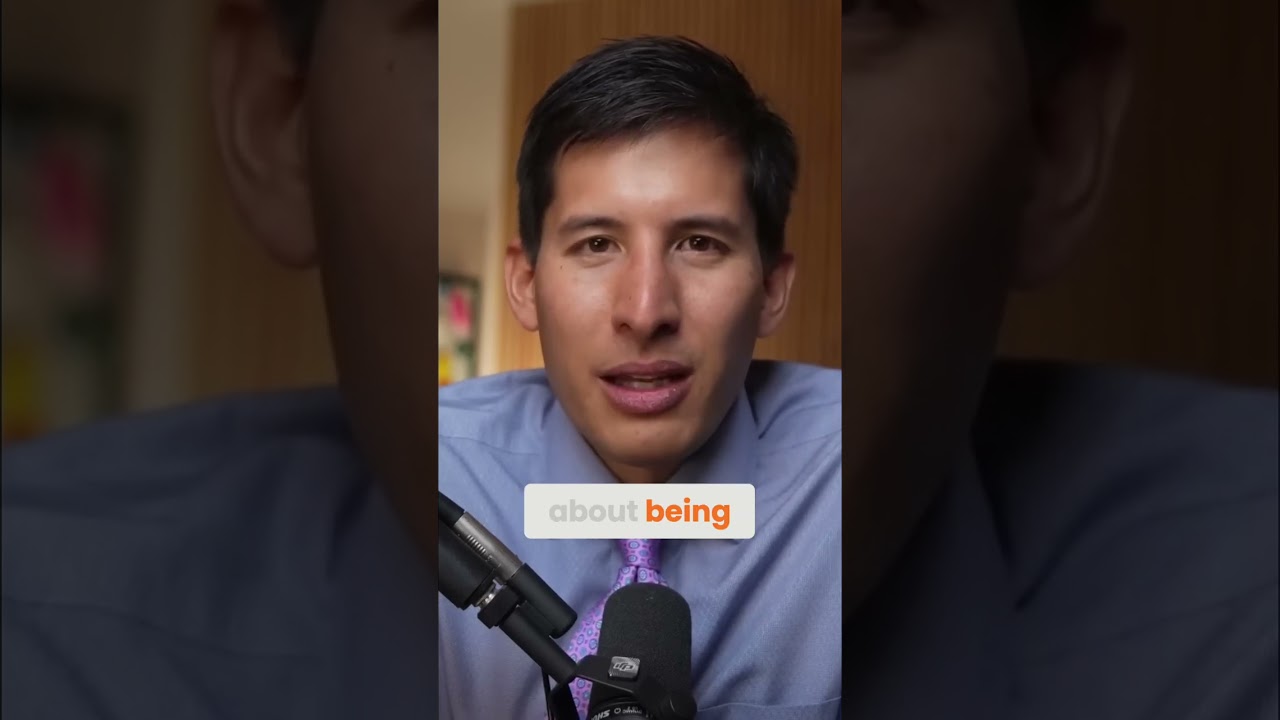
I’m a Psychiatrist: Meds I’d Never Give My Child
Posted
January 24, 2026
Views
35,619
Likes
2,504
Comments
704
Engagement
9.01%
January 24, 2026
35,619
2,504
704
9.01%
Every word spoken in this episode is indexed. Type any phrase to jump straight to the moment it was said.
Type any word or phrase that may have been spoken. Click a result to seek the player to that exact moment.
Try a name, a topic, or a quoted line
 23:10Now Playing
Click here if you need help quitting psychiatric medications
As a board-certified psychiatrist and father, I’m often asked a question most parents are afraid to ask:
Which medications would you be most cautious about giving your own child?
In this video, I walk through three common classes of psychiatric drugs that are frequently prescribed to children and adolescents and explain why parents are rarely told the full story about how these medications affect the developing brain.
In this video, we cover:
1. Antidepressant
Prescribed for anxiety and depression, with roughly 1 in 20 American children currently taking them.
We discuss the lack of long-term evidence, increased risks of suicidal thoughts in young people, tolerance and drug-induced worsening, emotional blunting, prescribing cascades, and what research shows about early exposure and brain development.
2. ADHD Medications
Taken by about 5–6% of U.S. children.
We examine why ADHD is not a dopamine deficiency, what the data actually shows about academic performance, how benefits fade over time, and the well-documented effects on sleep, appetite, growth, and emotional regulation.
3. Antipsychotics
Originally designed for schizophrenia, now widely prescribed to children for behavior, sleep, or medication side effects.
We discuss why these may be the most dangerous of the three classes, including risks of metabolic damage, movement disorders, severe restlessness, and evidence linking long-term use to brain volume loss.
What parents can do instead
Before turning to medication, we talk about:
• Family-based therapy and support
• Sleep, nutrition, movement, and sunlight
• Addressing stress, trauma, and home environment
• Being cautious about medication side effects being mistaken for new diagnoses
This is not about “never using medication.”
It’s about understanding the risks, the limitations of the evidence, and making sure non-drug approaches are tried first, especially when a child’s brain is still developing.
If you’re a parent, clinician, or someone who wants a clearer, data-driven look at pediatric psychiatric prescribing, this conversation matters.
👉 Subscribe for evidence-based discussions on psychiatric medications, tapering, and mental health that go beyond headlines.
Get our free tapering course
Join +6000 people learning how to taper on our newsletter
CONNECT WITH ME:
DISCLAIMER: All the information on this channel is for educational and/or entertainment purposes and not intended to be specific/personal medical advice from me to you. Watching the videos, or getting answers to comments/question, does not establish a doctor-patient relationship. If you have your own doctor, these videos can maybe help you prepare for your discussion with him. We do our best to spread awareness with these videos, but for legal reasons we can’t answer health questions in the comments. If you leave questions, we’ll make videos about common questions in the future! If we catch incorrect health information, hate speech, illegal solicitation of drugs in the comments, we will remove them.
#psychiatricmeds #ssri #antidepressants
Sentinel Indexing in Progress
Metadata and chapters are available. Claim extraction for this episode is pending.
All video content is delivered via YouTube embedded players in accordance with the YouTube Terms of Service. Sentinel provides research tools that promote discovery and accountability across political media.