Dr Josef
@taperclinic·234K subscribers·1.7K videos
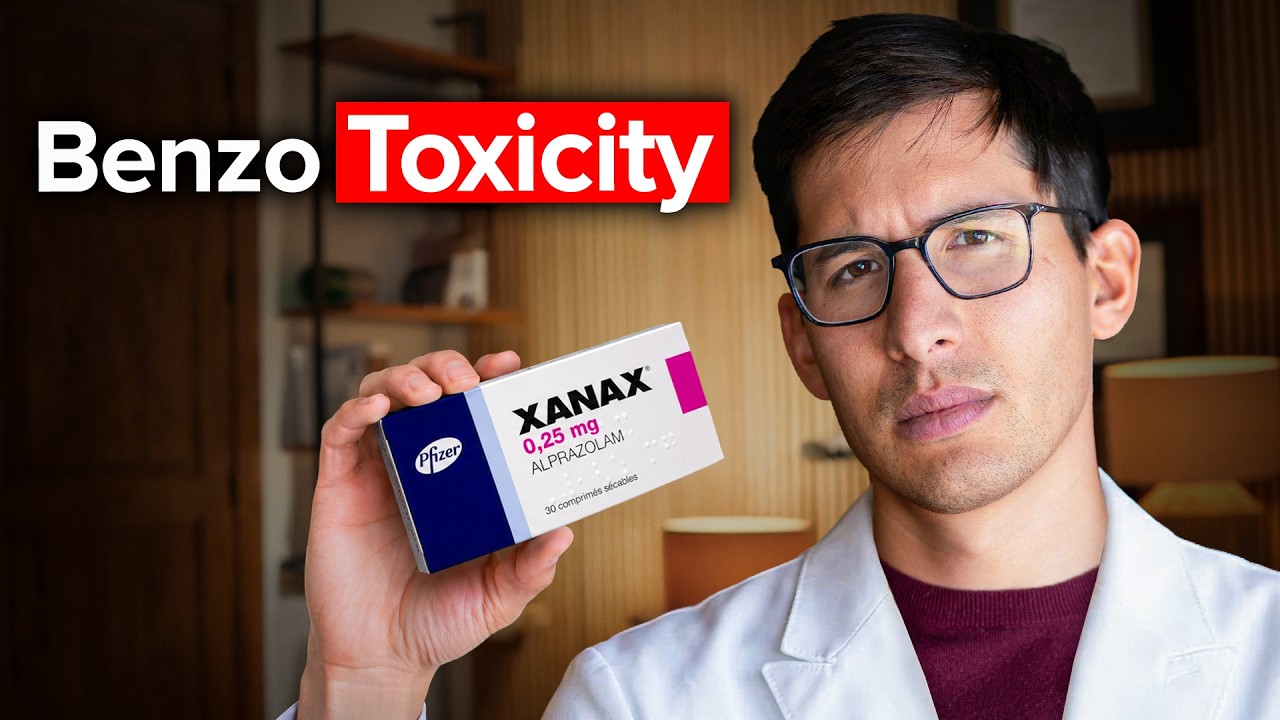
Everything You Want to Know about Benzo Toxicity
Posted
August 10, 2026
Views
1,163
Likes
99
Comments
15
Engagement
9.80%
August 10, 2026
1,163
99
15
9.80%
Every word spoken in this episode is indexed. Type any phrase to jump straight to the moment it was said.
Type any word or phrase that may have been spoken. Click a result to seek the player to that exact moment.
Try a name, a topic, or a quoted line
Episode Timeline
Every episode in order around the one you’re watching — click any card and the page flips straight to it.
 1:19:30Now Playing
Click here for a free admissions assessment with our team who can help you
Make sure to get your free personalized Medication Injury Recovery Guide
Benzodiazepine-induced neurological dysfunction (BIND) is not "just withdrawal." It's a neurological injury, and understanding that difference changes how you recover.
In this video we break down what BIND actually is, why it happens at the cellular level, what recovery realistically looks like, and the specific mistakes that make people worse.
WHAT WE COVER
What BIND is
BIND (also called benzodiazepine toxicity) is a severe adverse reaction that can develop gradually in people prescribed benzodiazepines or Z-drugs. The damage comes from the toxic effect of the medication on neurons, not simply from the drug being in your system. Current research points to the medication binding to mitochondrial proteins (TSPO), driving a buildup of reactive oxygen species and neuroinflammation.
How it shows up
Anxiety, insomnia, cognitive impairment, sensory sensitivity, physical pain, tremors, and digestive problems. The hallmark is the "waves and windows" pattern: symptoms that rise and fall in severity rather than improving in a straight line.
The prognosis is good
Most people improve steadily after coming off the medication, typically over an 18 to 24 month range. Recovery is uneven, but it is the norm.
The core intervention: a slow taper
Gradual tapering is the primary treatment. Abrupt withdrawal must be avoided. It can trigger severe reactions and protracted withdrawal injury.
What destabilizes recovery
- Rapid starts, stops, or changes to medications and supplements can trigger "kindling" reactions and further neurological instability.
- Heightened sensitivity to other drugs, supplements, and even certain foods is common.
- A whole-foods diet and gentle movement (when tolerated) support recovery.
- Therapy helps with the practical fallout and emotional regulation, but emotionally demanding modalities are best postponed until later in recovery.
- Family and caregivers matter. Reassurance, emotional support, and specialized support groups make a measurable difference.
IMPORTANT SAFETY INFORMATION
Some medications are known to cause severe neurological adverse reactions in this population and warrant extreme caution, including fluoroquinolone antibiotics, steroids, and the nausea medications Reglan and Compazine. Discuss any new medication with a clinician familiar with BIND.
The greatest risk to recovery is suicide, particularly in the first 6 to 9 months. If you are having thoughts of suicide, this is a medical emergency and it is treatable. Reach out immediately: call or text 988 (Suicide and Crisis Lifeline, US) or go to your nearest emergency department. Outside the US, find your local line at findahelpline.com.
Even after symptoms resolve, the nervous system stays fragile for a while. Return to normal activity gradually, and avoid psychiatric medications, stimulants, and recreational drugs indefinitely.
CONNECT WITH ME:
DISCLAIMER: All the information on this channel is for educational and/or entertainment purposes and not intended to be specific/personal medical advice from me to you. Watching the videos, or getting answers to comments/question, does not establish a doctor-patient relationship. If you have your own doctor, these videos can maybe help you prepare for your discussion with him. We do our best to spread awareness with these videos, but for legal reasons we can’t answer health questions in the comments. If you leave questions, we’ll make videos about common questions in the future! If we catch incorrect health information, hate speech, illegal solicitation of drugs in the comments, we will remove them.
Sentinel Indexing in Progress
Metadata and chapters are available. Claim extraction for this episode is pending.
All video content is delivered via YouTube embedded players in accordance with the YouTube Terms of Service. Sentinel provides research tools that promote discovery and accountability across political media.