Dr Josef
@taperclinic·234K subscribers·1.7K videos
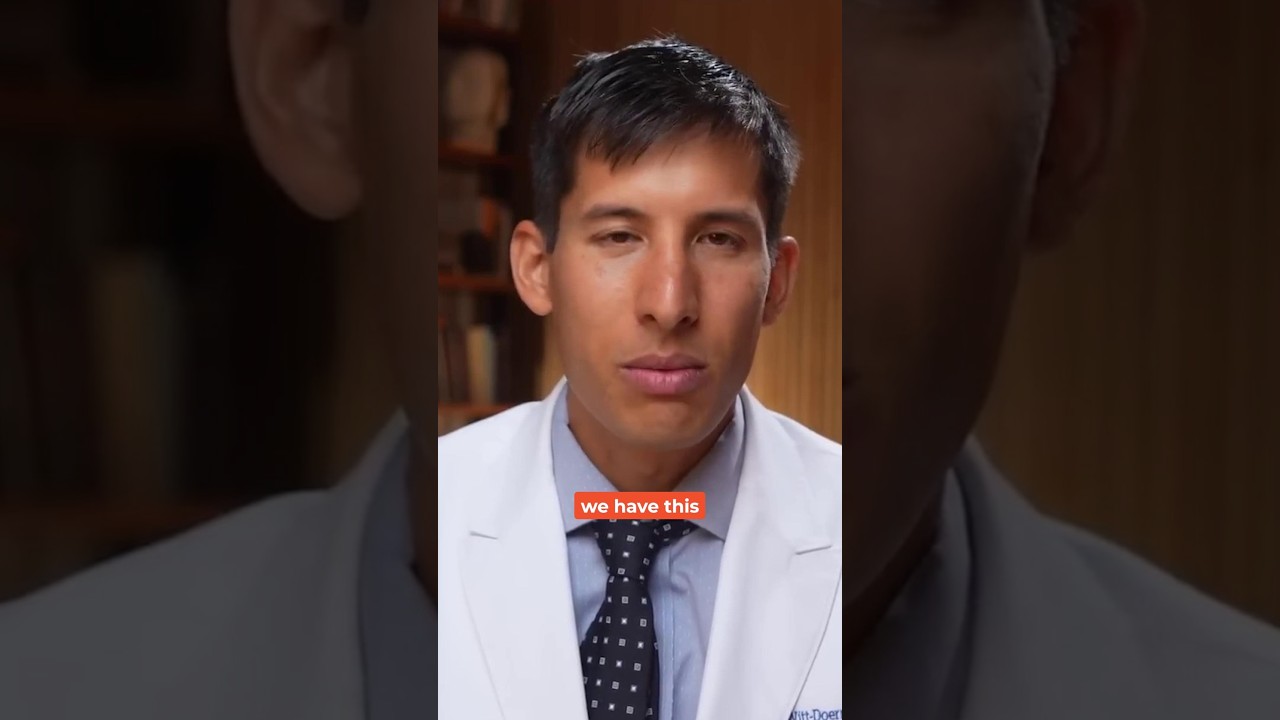
Psychiatrist Reacts to American Sailors Jumping Overboard
Posted
August 21, 2026
Views
8,364
Likes
461
Comments
92
Engagement
6.61%
August 21, 2026
8,364
461
92
6.61%
Every word spoken in this episode is indexed. Type any phrase to jump straight to the moment it was said.
Type any word or phrase that may have been spoken. Click a result to seek the player to that exact moment.
Try a name, a topic, or a quoted line
 11:33Now Playing
Click here for a free admissions assessment with our team who can help you
Grab our free Tapering Guide Here
Sailors aboard the USS Lincoln have reportedly attempted to jump overboard. The carrier has now spent a record 250 consecutive days at sea near Iran without a single port call, after the loss of a forward base in Bahrain. Navy leadership has acknowledged the mental health cases and called the conditions uniquely challenging, and a relief ship is reportedly on the way. But I want to talk about what is actually happening to these sailors' brains and bodies, because it is not a mystery, and it is not weakness.
In this video I walk through the four forces I believe are driving this crisis, and every one of them applies far beyond the Navy.
Sleep deprivation. Sailors need about 7.5 hours and are reportedly averaging closer to 5.25, between operational demands, noise, and shared quarters. I want you to understand how serious that is: insomnia is one of the strongest modifiable risk factors for suicidal behavior we know of. When I hear about sailors going overboard, the first thing I want to know about is the sleep.
A sedentary existence. Research on these deployments shows strikingly low physical activity. Movement is anti-inflammatory; its absence degrades mood.
No sunlight. Months under fluorescent light with no access to the outdoors. Time in the sun is consistently associated with better mood and lower rates of depression. These sailors are living in the opposite condition.
Poor nutrition. No fresh produce for months means packaged food, and studies in military populations link that pattern to higher anxiety and depression.
Notice what this list is. It is the fundamentals of mental health, all removed at once, from thousands of people simultaneously, for 250 days. You do not need a chemical imbalance theory to explain what happens next. And the answer is not simply more medication on board. It is fixing the conditions, starting with sleep, which I believe is the single most important intervention available on these vessels.
If you serve, or you love someone who does, I hope this video helps you understand what these environments do to a nervous system, and what actually protects it.
CONNECT WITH ME:
DISCLAIMER: All the information on this channel is for educational and/or entertainment purposes and not intended to be specific/personal medical advice from me to you. Watching the videos, or getting answers to comments/question, does not establish a doctor-patient relationship. If you have your own doctor, these videos can maybe help you prepare for your discussion with him. We do our best to spread awareness with these videos, but for legal reasons we can’t answer health questions in the comments. If you leave questions, we’ll make videos about common questions in the future! If we catch incorrect health information, hate speech, illegal solicitation of drugs in the comments, we will remove them.
Sentinel Indexing in Progress
Metadata and chapters are available. Claim extraction for this episode is pending.
All video content is delivered via YouTube embedded players in accordance with the YouTube Terms of Service. Sentinel provides research tools that promote discovery and accountability across political media.