Dw News
@dwnews·6.3M subscribers·48.6K videos
The International Talk Show - 12.08.2011 | Quadriga
Posted
August 15, 2011
Views
1,223
August 15, 2011
1,223
Every word spoken in this episode is indexed. Type any phrase to jump straight to the moment it was said.
Type any word or phrase that may have been spoken. Click a result to seek the player to that exact moment.
Try a name, a topic, or a quoted line
 26:30Now Playing
World Markets in Disarray - Politicians Out of Their Depth
The fear of a global market crash is driving politicians to take emergency action. In hurriedly convened telephone conferences, European leaders, the US President and the finance ministers and central bankers of the Group of Seven major industrialized economies have sought to find ways of averting a global financial collapse. But actions alone are not enough to calm the markets. Trading floors around the world have witnessed a panicky reaction from investors, with trillions wiped from stock portfolios. The global economy is in jeopardy. Far from taking the lead, world leaders have found themselves playing catch-up, which has resulted in short-term solutions and emergency stop-gap measures. Decisions are made on a case-by-case basis, with little evidence of any clear policy that would convince investors that the situation is under control.The United States'huge debt burden and the downgrading of its credit rating by Standard& Poor's have further spooked the markets. Asia is also being drawn into the crisis and an ever declining number of people believe the politicians have the answers. Barack Obama's address to the American people this week, designed to reduce anxieties, appears to have had little impact, with US stocks dropping even before his television broadcast ended. Political squabbling in Washington and a US economy now said to be weaker than previously thought have added to the fears of recession. The Nikkei and the DAX have nosedived - and even the price of oil dipped below the 100 dollar mark for the first time in months.
European political leaders also have to contend with their own lack of credibility and the debt crisis in the Eurozone. The European Central Bank has begun buying Spanish and Italian government bonds in an effort to shore up their growing debt burden. The move is meant to stabilize the markets--but it has limited impact as the market jitters continue. Investors appear to be skeptical that politicians can lead entire national economies out of the crisis.If the measures taken so far don't work, what other options are left?
What do you think: World Markets in Disarray - Politicians Out of Their DepthDrop us a line at: Quadriga@dw-world.deOur guests:
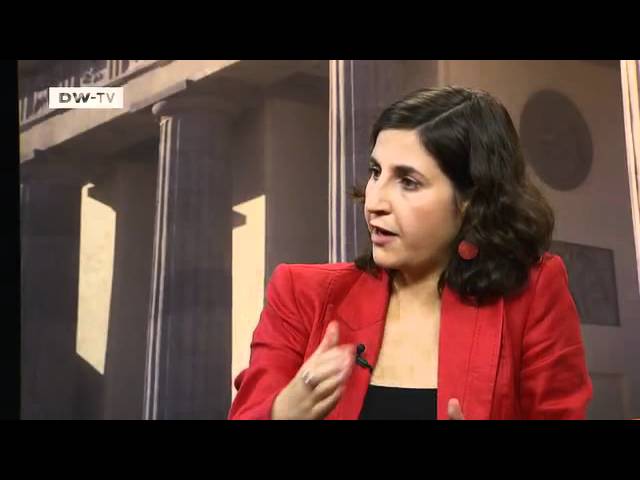
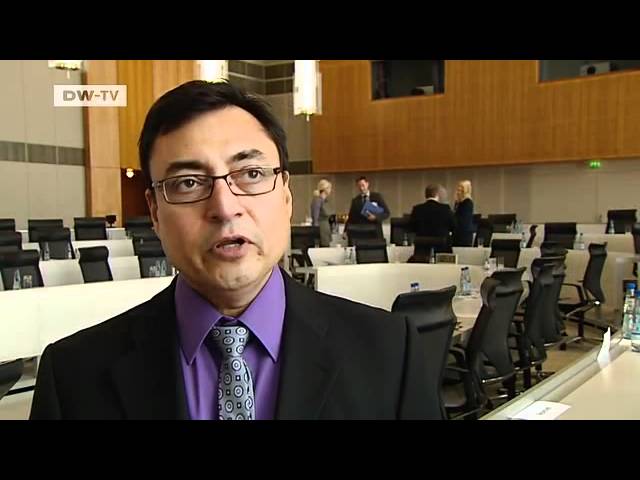
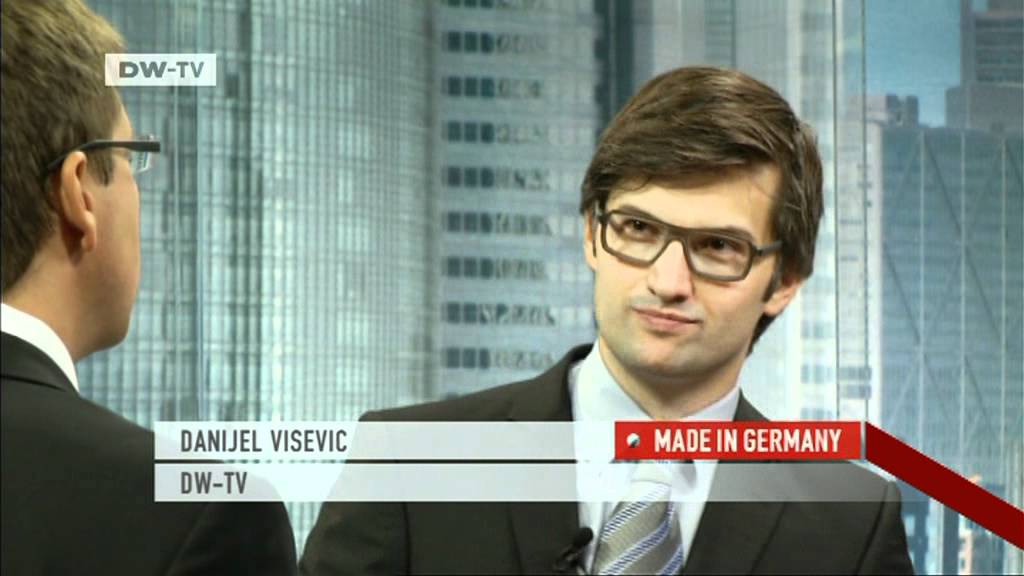
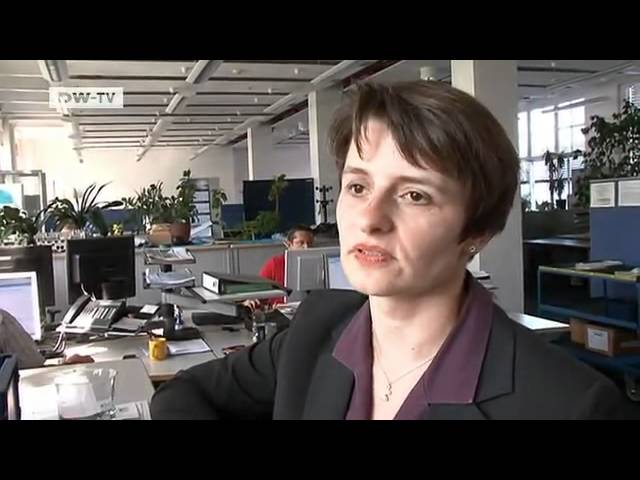
Kai A. Konrad - after completing doctoral and post-doctoral studies in economics at the University of Munich, Konrad taught at universities in Munich, Bonn, Bergen (Norway) and the University of California in Irvine before taking up a professorship at the Free University in Berlin. He held this post until 2009. Parallel to this, he was director of the Social Science Research Center Berlin (WZB). In 2008, he was appointed as a scientific member of the Max Planck Society. Currently, he is the managing director of the Max Planck Institute for Tax Law and Public Finance.Since 2007 he has been a co-editor of the Journal of Public Economics. His main topics of interest in his research and publications in numerous economic and political journals are public finance, micro-economics and the New Political Economy. In addition, he is a member of the German Ministry of Finance's scientific advisory council.Ursula Weidenfeld - has a PhD in history from the University of Bonn and studied journalism at the Holtzbrinck School in Düsseldorf. She became Berlin correspondent and a deputy editor at Wirtschaftswoche, before going on to head the corporations desk at the Financial Times Deutschland. In 2001 she became economics editor at Der Tagesspiegel in Berlin. Ms Weidenfeld has also worked as a presenter and commentator for various TV and radio stations. In 2008 she became editor of the Cologne-based business magazine Impulse; before resigning earlier this year. In 2008 she was awarded the Ludwig Erhard prize for business journalism. Ms Weidenfeld is now a freelance journalist, working in several media and in internet with www.starke-meinungen.de and www.das-tut-man-nicht.de
Marcus Walker - A British citizen, Marcus Walker was born in the eastern German city of Leipzig and grew up in England. He moved to Germany in 2000, at which time he began writing for the american newspaper The Wall Street Journal. Marcus Walker moved to Berlin in 2005 to concentrate on German and European affairs.
Sentinel Indexing in Progress
Metadata and chapters are available. Claim extraction for this episode is pending.
All video content is delivered via YouTube embedded players in accordance with the YouTube Terms of Service. Sentinel provides research tools that promote discovery and accountability across political media.