Dw News
@dwnews·6.3M subscribers·48.6K videos
Quadriga: The International Talk Show | Quadriga
Posted
December 17, 2011
Views
1,066
Likes
4
Engagement
0.38%
December 17, 2011
1,066
4
0.38%
Every word spoken in this episode is indexed. Type any phrase to jump straight to the moment it was said.
Type any word or phrase that may have been spoken. Click a result to seek the player to that exact moment.
Try a name, a topic, or a quoted line
See what was published immediately before and after this episode.
 26:30Now Playing
Chancellor Merkel's Course - Is Europe Set to Follow? The job of steering Europe out of the crisis falls to Angela Merkel, as Germany is the only country that can save the eurozone. That's a call that has been heard more and more in recent weeks.
At the EU summit, the Chancellor argued in favour of a closer fiscal union for Europe, and generally got her way. Together with the French President, Nicolas Sarkozy, she called for caps on national debt in all EU member states, and automatic sanctions for governments which break those rules. In the end, all EU countries except Britain signed up to thedeal - some more readily than others.
But not all of Germany's fellow EU members are pleased about the way Merkel has taken the helm to steer the bloc out of crisis. The opposition Socialist candidate in France's up-coming presidential elections, Francois Hollande, criticized the Chancellor, saying she was trying to introduce a'European model that is not our own'. Many in the EU feel sidelined. Britain is isolated. The Union has never before been so split, and that has opened up old wounds that were thought to have healed long ago. Angela Merkel is portrayed as the stereotypical, domineering German, cracking the whip and forcing fiscal discipline on the rest of Europe.
But the Chancellor says her course is the only way forward. Only strict budgetary discipline and increased competitiveness will lead Europe out of the crisis. Merkel has already said, plainly and simply, that if the euro fails, Europe fails too. And she's determined to prevent that from happening, even if that means jeopardizing Germany's popularity among its fellow EU members.
What do you think? Chancellor Merkel's Course - Is Europe Set to Follow? Email us at Quadriga@w-world.de
Our guests:
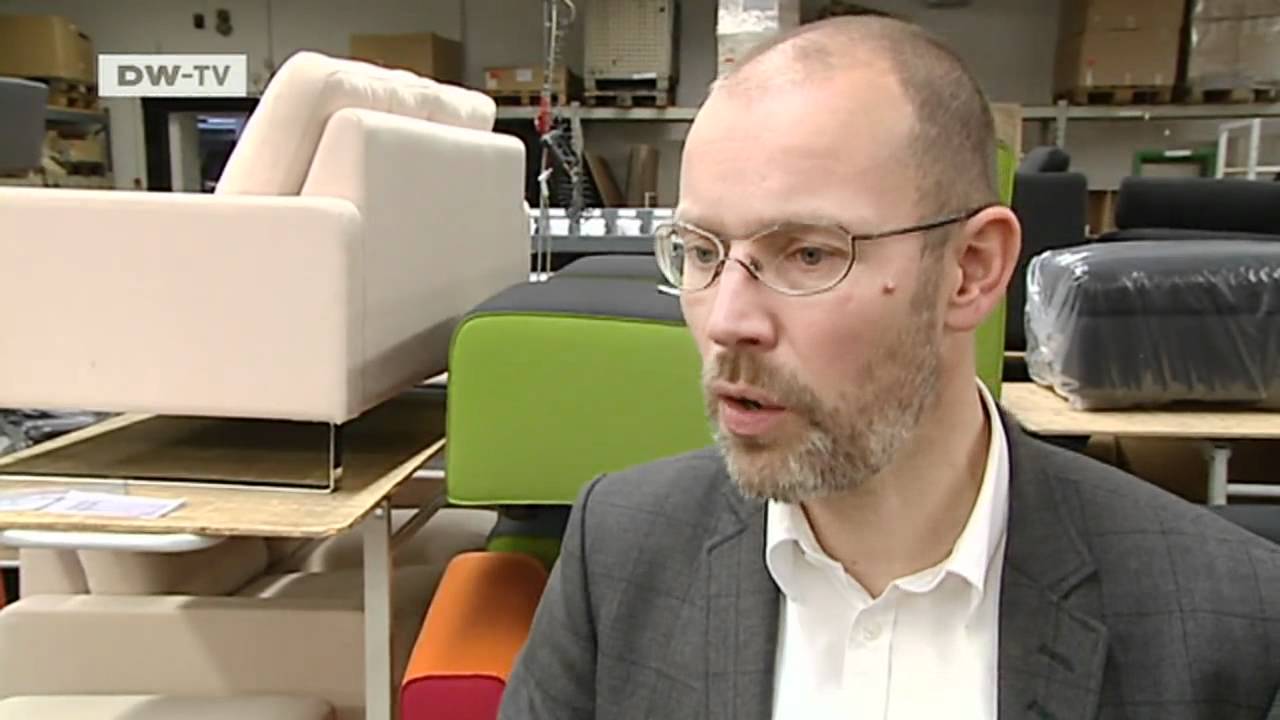
Almut Möller studied political science before working as a trainer and presenter throughout Europe in the field of political education. After various teaching posts in Munich, Möller spent time in Beijing, Cairo and Washington on visiting fellowships. Until 2008, Möller worked at the Center of Applied Policy Research (CAP) at Munich's Ludwig Maximilian University, where she was involved in the center's European Union Reform and Enlargement Program. She later headed the center's Euro-Mediterranean Program. She ist the editor of berlinbrief, an English-language briefing on German foreign policy.
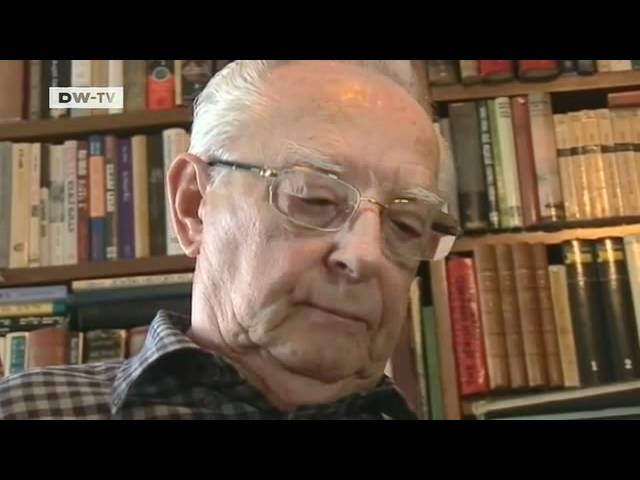
Quentin Peel - he is international affairs editor of the Financial Times. He is also an associate editor, responsible for leader and feature writing. He is working at the FT since 1975. Between 1976 and 1994 he served successively as southern Africa correspondent, Africa editor, European Community correspondent and Brussels bureau chief, Moscow correspondent, and chief correspondent in Germany. On his return to London he became foreign editor. He took up his present position in September 1998. He was born in July 1948 and educated at Queens' College, Cambridge, where he studied economics, with French and German.
Friedrich Thelen - After earning his doctorate in law, in 1975 he took on the post of director at the German Development Service. Friedrich Thelen then worked as a journalist for the leading weekly newspaper"Die Zeit". In 1978 he switched to the business weekly "Wirtschaftswoche", where he began his career as the magazine's Bonn correspondent and bureau chief. Later he became the bureau chief of Wirtschaftswoche's Berlin office.
Sentinel Indexing in Progress
Metadata and chapters are available. Claim extraction for this episode is pending.
All video content is delivered via YouTube embedded players in accordance with the YouTube Terms of Service. Sentinel provides research tools that promote discovery and accountability across political media.