Dw News
@dwnews·6.3M subscribers·48.6K videos
Global rise in sanctions: A useless tool? | DW News
Posted
September 11, 2020
Views
17,746
Likes
312
Comments
151
Engagement
2.61%
September 11, 2020
17,746
312
151
2.61%
Every word spoken in this episode is indexed. Type any phrase to jump straight to the moment it was said.
Type any word or phrase that may have been spoken. Click a result to seek the player to that exact moment.
Try a name, a topic, or a quoted line
 5:22Now Playing
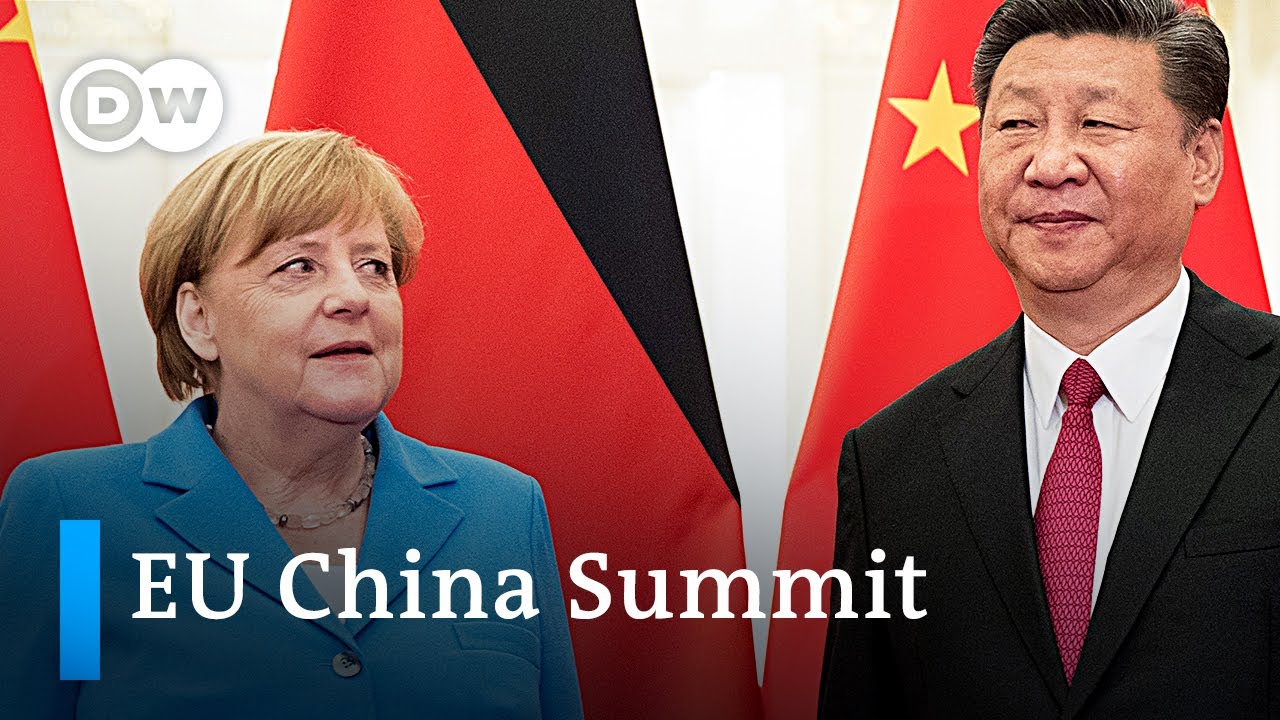
The German government says it's looking at the entire set of instruments it could use in taking action against Moscow over the poisoning of Russian opposition leader, Alexei Navalny. Chancellor Angela Merkel's spokesman has underlined, that she would not rule out consequences on the multi-Bbillion-euro Nord Stream Two pipeline project, if Moscow fails to thoroughly investigate the case. He also says the German leader is open to all sanction options.
The number of cases in which countries impose sanctions on others is climbing, accelerating rapidly from 2004 on. Besides Russia, the countries most often targetted are Iran and North Korea, as well as some African countries. The main pretext for such sanctions are violations of human rights and democratic procedures. They're also often ostensibly aimed at trying to prevent terrorism and war. But how effective are sanctions really at achieving their aims? Opinions are widely divided.
For more news go to
Follow DW on social media:
Für Videos in deutscher Sprache besuchen Sie
#Russia #Sanctions #Navalny
Sentinel Indexing in Progress
Metadata and chapters are available. Claim extraction for this episode is pending.
All video content is delivered via YouTube embedded players in accordance with the YouTube Terms of Service. Sentinel provides research tools that promote discovery and accountability across political media.