Dw News
@dwnews·6.3M subscribers·48.6K videos
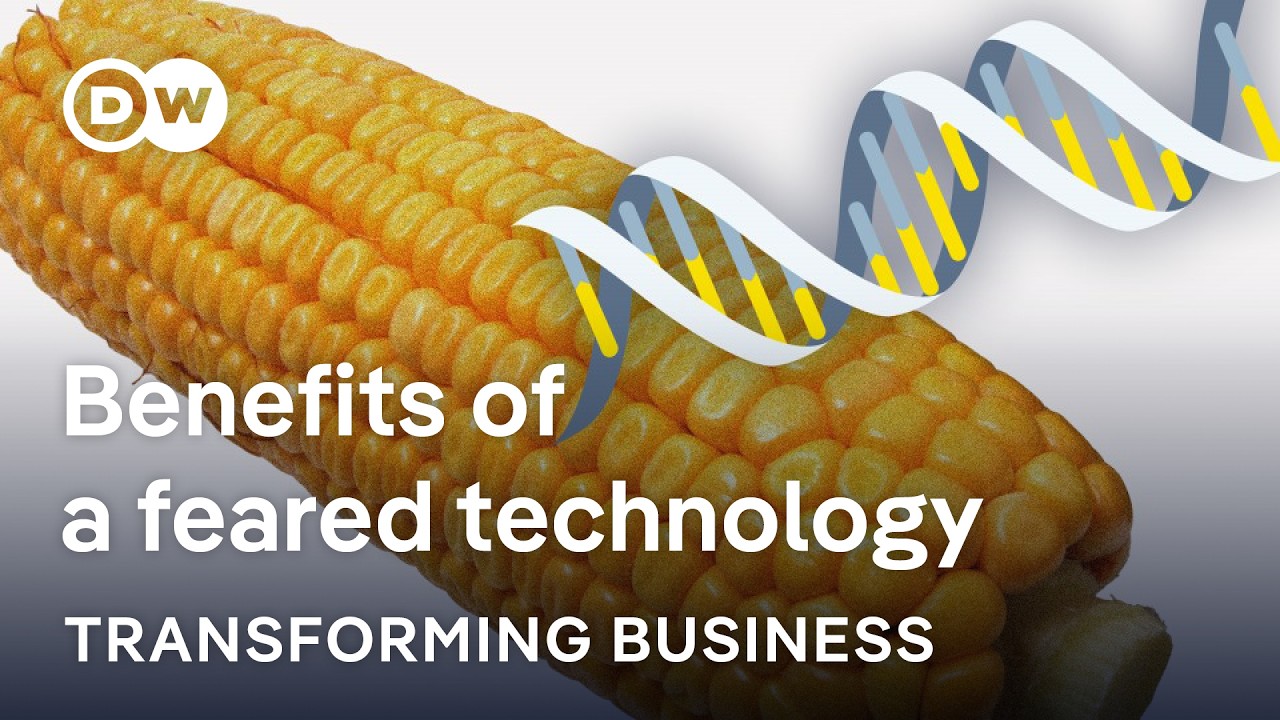
Are large corporations hindering the full potential of genetic engineering? | Transforming Business
Posted
September 13, 2025
Views
18,877
Likes
287
Comments
76
Engagement
September 13, 2025
18,877
287
76
1.92%
Every word spoken in this episode is indexed. Type any phrase to jump straight to the moment it was said.
Type any word or phrase that may have been spoken. Click a result to seek the player to that exact moment.
Try a name, a topic, or a quoted line
 18:00Now Playing
Genetically modified food and seeds are under fire. Yet scientists agree: genetic engineering is a key technology for boosting agricultural yields and profits. It can also contribute to environmental and climate protection—through drought-resistant crops, for example, like those developed by the Argentine company Bioceres. New methods such as genome editing and CRISPR/Cas9 are expanding the possibilities. While North and South America have long embraced genetic engineering, skepticism remains high in Europe and Asia. In the EU, green genetic engineering is effectively banned, and genetically modified organisms (GMOs) are strictly regulated in many countries. That makes approval for new products expensive and time-consuming—often only affordable for major corporations like Bayer, Syngenta, or BASF. These companies face criticism for dominating the market. NGOs like Greenpeace also play a role in shaping the negative image of green genetic engineering. This episode of Transforming Business explores the potential of genetic engineering in agriculture—and asks whether the criticism of companies like Bayer & Co is truly justified.
Chapters
#TransformingBusiness #GMO #Agriculture
For more news go to
Follow DW on social media:
Für Videos in deutscher Sprache besuchen Sie
Sentinel Indexing in Progress
Metadata and chapters are available. Claim extraction for this episode is pending.
All video content is delivered via YouTube embedded players in accordance with the YouTube Terms of Service. Sentinel provides research tools that promote discovery and accountability across political media.