Dw News
@dwnews·6.3M subscribers·48.6K videos
Why Iran doesn't need to block Hormuz to disrupt global oil | DW News
Posted
April 3, 2026
Views
137,030
Likes
1,504
Comments
466
Engagement
1.44%
April 3, 2026
137,030
1,504
466
1.44%
Every word spoken in this episode is indexed. Type any phrase to jump straight to the moment it was said.
Type any word or phrase that may have been spoken. Click a result to seek the player to that exact moment.
Try a name, a topic, or a quoted line
 10:08Now Playing
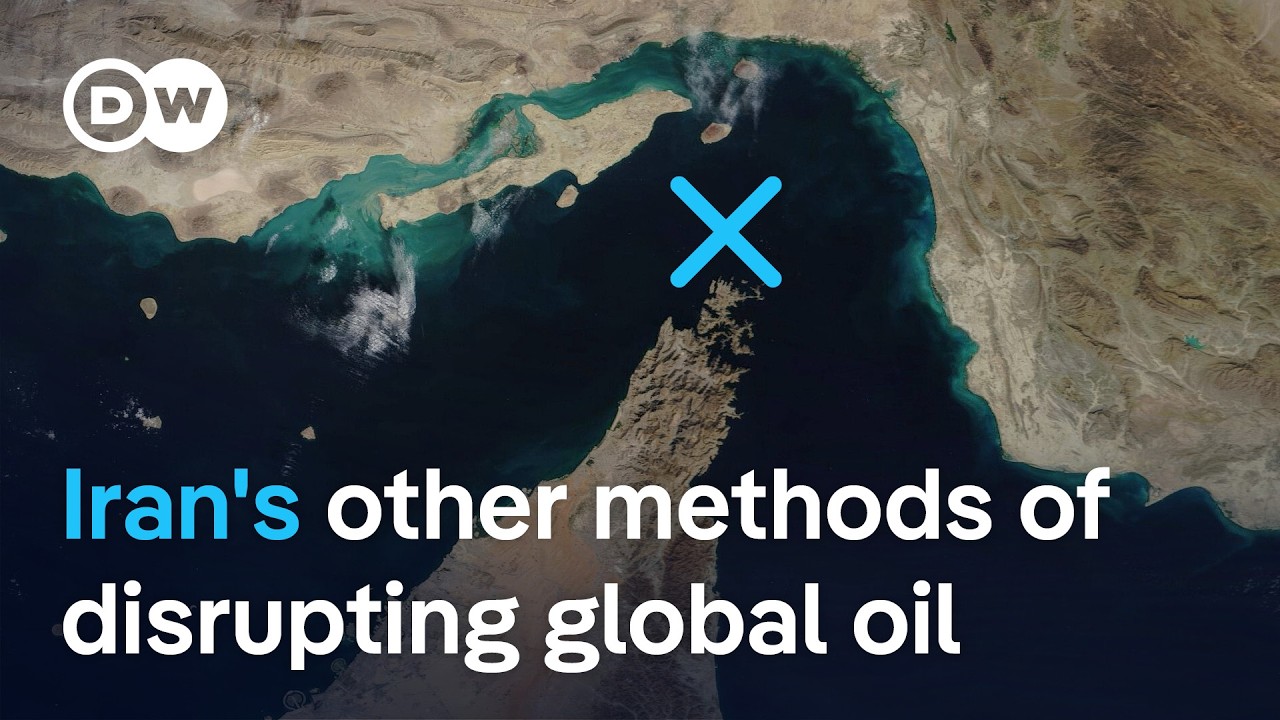
Iran has been accused of “holding the global economy hostage” as disruption in the Strait of Hormuz sends shockwaves through energy markets.
But this is not a traditional blockade. Instead, shipping through one of the world’s most critical oil routes has slowed dramatically amid attacks, rising risks, and new forms of control over access to the waterway.
The UK has brought together more than 40 countries to discuss reopening the strait, while global powers remain divided on how to respond.
In our DW News interview, maritime expert Sal Mercogliano explains:
- Why Iran doesn’t need to fully close the Strait of Hormuz
- How shipping companies and insurers are reacting
- What a possible “toll system” means
- And how Iran may still be increasing oil revenues
Around 20% of the world’s oil and gas normally passes through Hormuz, making it one of the most important chokepoints in the global economy.
Chapters:
For more news go to
Follow DW on social media:
Für Videos in deutscher Sprache besuchen Sie
#hormuz #iran #oil #dwnews
Sentinel Indexing in Progress
Metadata and chapters are available. Claim extraction for this episode is pending.
All video content is delivered via YouTube embedded players in accordance with the YouTube Terms of Service. Sentinel provides research tools that promote discovery and accountability across political media.