Dw News
@dwnews·6.3M subscribers·48.6K videos
Europe funds Ukraine — but still buys Russian energy? | DW News
Posted
April 23, 2026
Views
32,686
Likes
525
Comments
352
Engagement
2.68%
April 23, 2026
32,686
525
352
2.68%
Every word spoken in this episode is indexed. Type any phrase to jump straight to the moment it was said.
Type any word or phrase that may have been spoken. Click a result to seek the player to that exact moment.
Try a name, a topic, or a quoted line
 18:16Now Playing
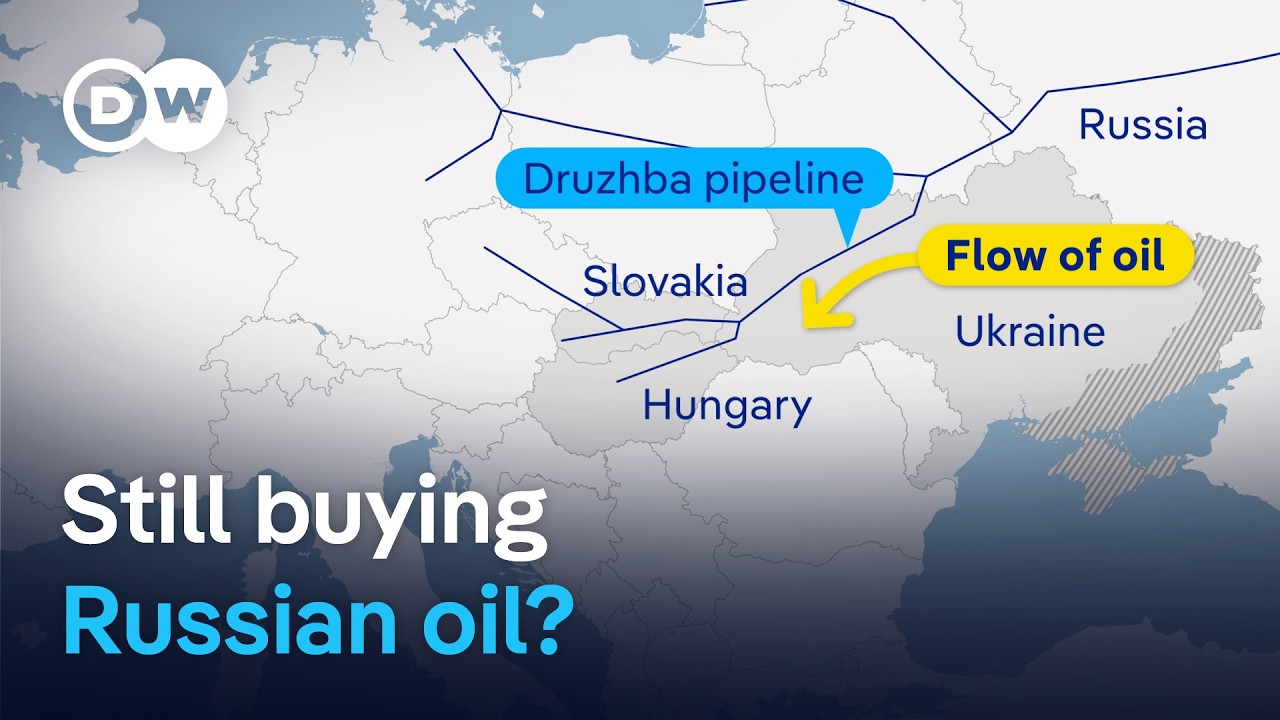
Russian oil is flowing again through the Druzhba pipeline, which is one of the key routes carrying crude through Ukraine into Central Europe, after it was damaged by a Russian airstrike.
But this is about far more than a technical repair.
Even after years of war, sanctions and promises to reduce dependence on Moscow, some European countries, like Hungary and Slovakia, are still buying Russian energy. That means Russia continues to earn revenue from exports to Europe, even as the EU supports Kyiv militarily and financially.
So why are Hungary and Slovakia still so reliant on Russian oil? Why does Ukraine still allow Russian oil to cross its territory during wartime? And can Europe ever fully break with Russian energy? This is the energy contradiction at the heart of Europe’s Ukraine policy.
In this interview, energy expert Sergey Vakulenko explains:
- Why the Druzhba pipeline still matters
- Why Europe remains tied to Russian oil and gas
- Whether EU money is still indirectly helping fund Russia's war
- How important oil prices are to the Russian state
- And why Russia cut off Kazakhstan-linked supplies to Germany
#dwcurrentaffairs #russianoil #ukrainewar
For more news go to
Follow DW on social media:
Für Videos in deutscher Sprache besuchen Sie
Sentinel Indexing in Progress
Metadata and chapters are available. Claim extraction for this episode is pending.
All video content is delivered via YouTube embedded players in accordance with the YouTube Terms of Service. Sentinel provides research tools that promote discovery and accountability across political media.