Dw News
@dwnews·6.3M subscribers·48.6K videos
Iran draws a new line in the Gulf and the UAE is inside it | DW News
Posted
May 5, 2026
Views
127,407
Likes
1,220
Comments
328
Engagement
1.22%
May 5, 2026
127,407
1,220
328
1.22%
Every word spoken in this episode is indexed. Type any phrase to jump straight to the moment it was said.
Type any word or phrase that may have been spoken. Click a result to seek the player to that exact moment.
Try a name, a topic, or a quoted line
 13:26Now Playing
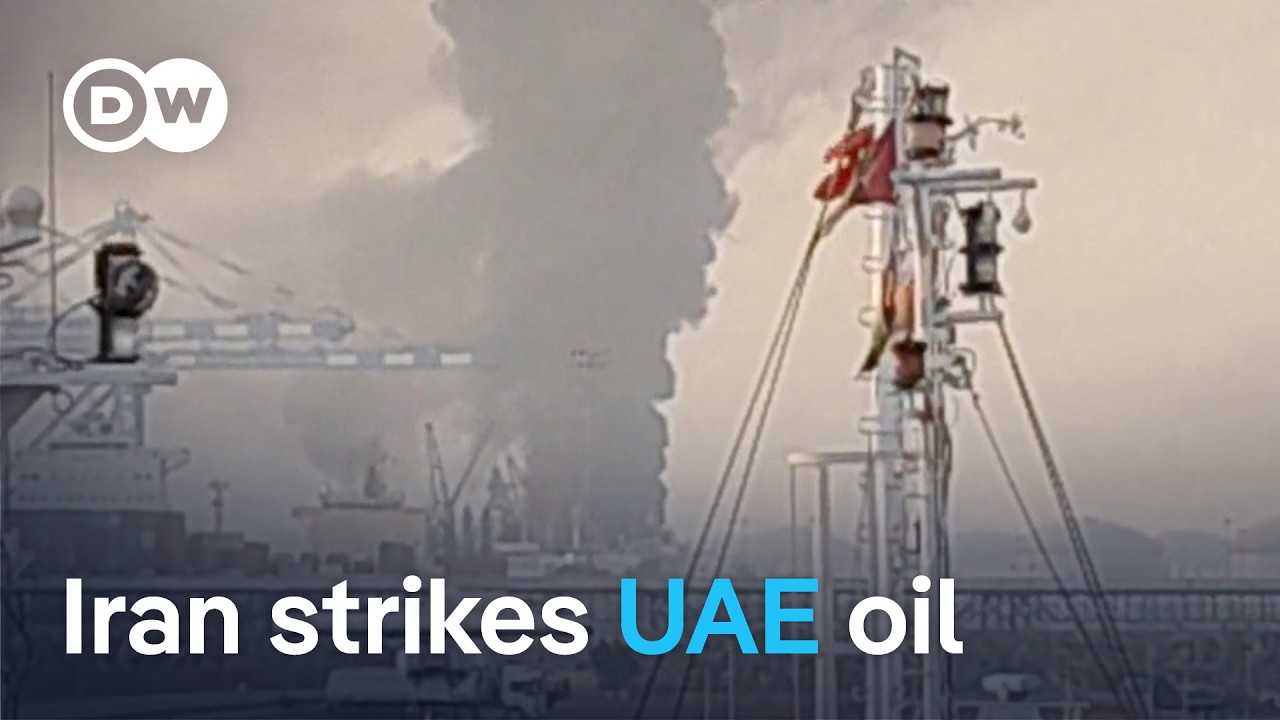
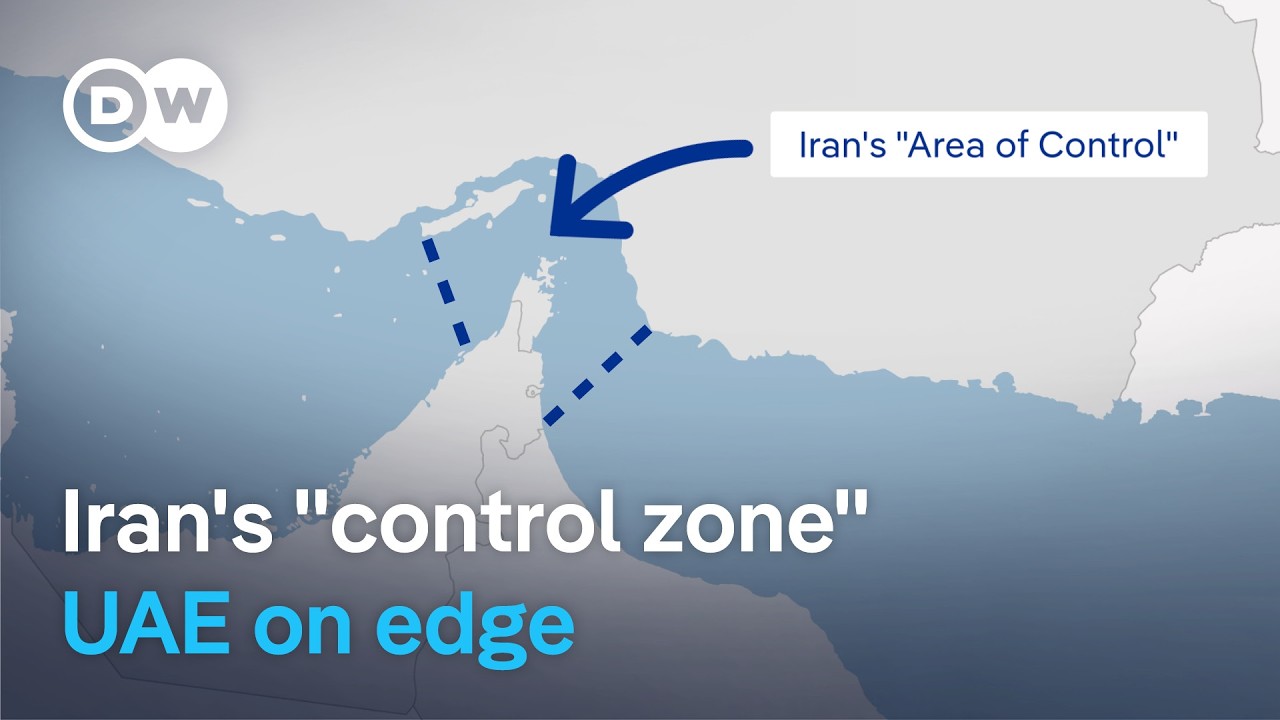
Tensions are rising again in the Gulf with Iran's Revolutionary Guard unveiling a new "area of control" in the Strait of Hormuz.
The map, which was released on Iranian state media, appears to extend Iran's claimed area of maritime influence to the shores of the United Arab Emirates, including its key port of Fujairah.
The move comes amid new reports of missiles and drone attacks targetting the UAE, apparently by Iran. At the same time, the United States and Iran are locked in a standoff over control of the strait, with conflicting reports of naval incidents and military activity.
In this DW News interview we speak with energy security expert Amir Handjani about:
- Why Iran may be targeting the UAE
- What Tehran's new "control map" really means
- The risk to shipping and global oil markets
- Gulf unity and whether regional alliances are shifting
- The UAE's decision to leave OPEC
- Whether Iran's actions could fracture the oil cartel
- What the long-term impact could be on Gulf relations
Before the Iran war began roughly one fifth of the world's oil supply was transported through the Strait of Hormuz. The US wants the Strait open to traffic, but Iran appears determined to exert its control over it.
Chaptering:
#dwcurrentaffairs #uae #iran #straitofhormuz #iranwar
For more news go to
Follow DW on social media:
Für Videos in deutscher Sprache besuchen Sie
Sentinel Indexing in Progress
Metadata and chapters are available. Claim extraction for this episode is pending.
All video content is delivered via YouTube embedded players in accordance with the YouTube Terms of Service. Sentinel provides research tools that promote discovery and accountability across political media.