Dw News
@dwnews·6.3M subscribers·48.6K videos
Surviving the new cold war | DW News
Posted
May 21, 2026
Views
325,514
Likes
5,761
Comments
994
Engagement
2.08%
May 21, 2026
325,514
5,761
994
2.08%
Every word spoken in this episode is indexed. Type any phrase to jump straight to the moment it was said.
Type any word or phrase that may have been spoken. Click a result to seek the player to that exact moment.
Try a name, a topic, or a quoted line
 13:28Now Playing
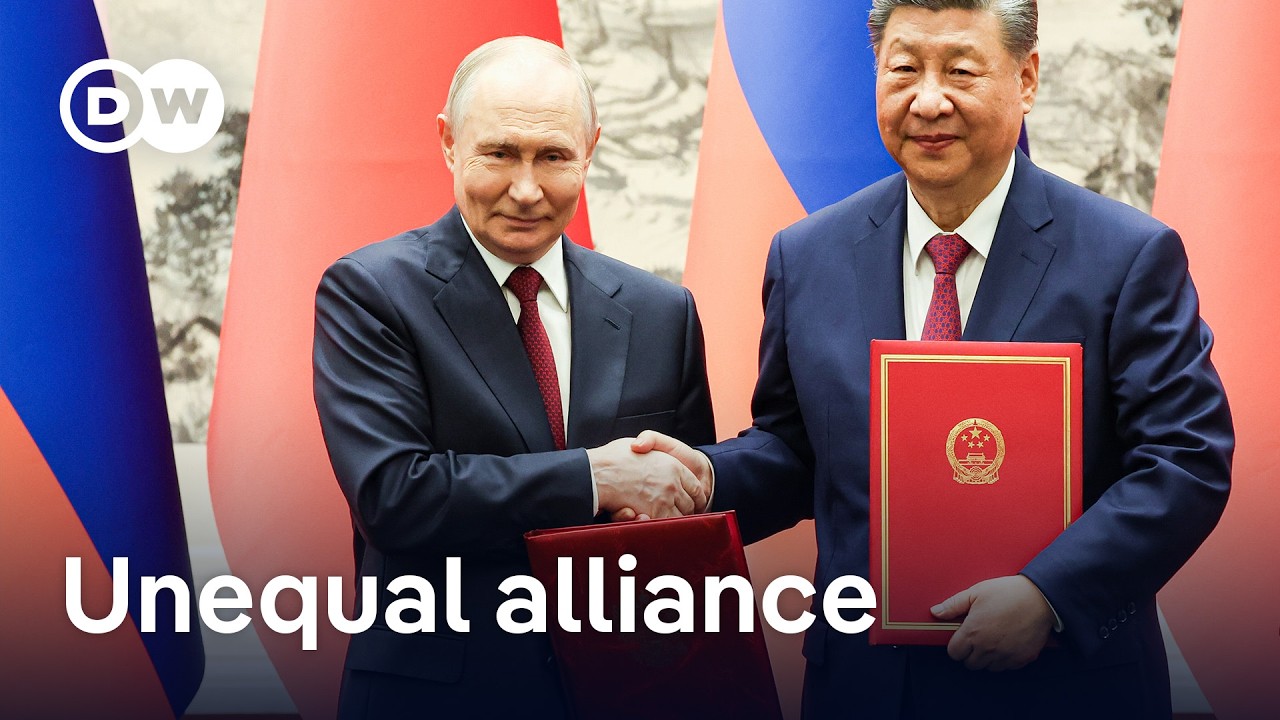
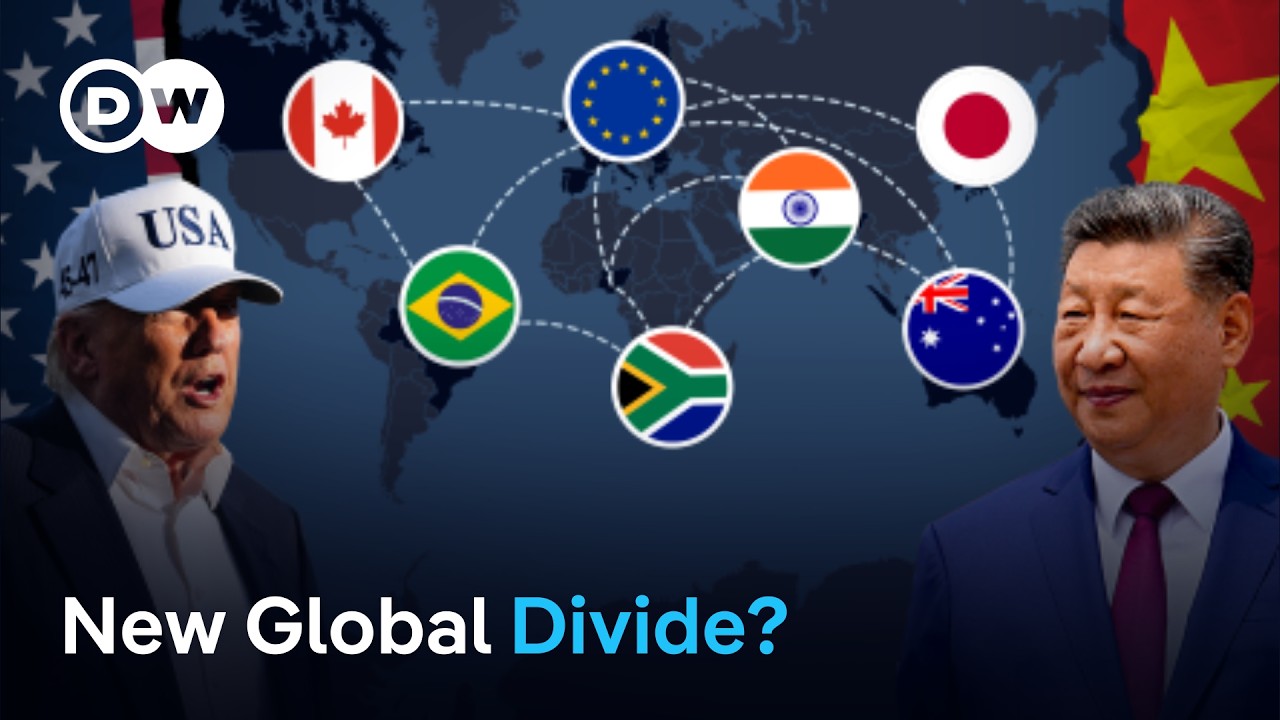
The rules that governed the world for 80 years are gone — and the man who said so wasn't a radical. He was Canadian Prime Minister Mark Carney, speaking at the World Economic Forum in Davos. With Donald Trump abandoning the partnerships and rules that once shaped the West and the institutions it plays major roles in like the IMF and World Bank. The rest of G7 like Japan and NATO countries are searching for new partners in Europe but also in the Global South.
Caught between the two superpowers The United States and China, middle powers must now make a choice no one has faced since the Cold War: which side are you on? Western states, but also India, South Africa, Brazil, Nigeria, Indonesia or Australia face a decision that could be permanent.
Because according to Nils Gilman of the Berggruen Institute, writing in Foreign Policy, the new global divide isn't just political — it's about energy. Do middle powers bet on fossil fuels, whose vulnerability was exposed by recent disruptions in the Strait of Hormuz during the US_Israeli war in Iran? Or do they align with China's electro-state model — and risk a dangerous new dependency based on renewables and rare earths? Or is there a third way?
Here is a link to the article referenced:
For more news go to
Follow DW on social media:
Für Videos in deutscher Sprache besuchen Sie
#DWGeopolitics #WorldOrder #MarkCarney
Sentinel Indexing in Progress
Metadata and chapters are available. Claim extraction for this episode is pending.
All video content is delivered via YouTube embedded players in accordance with the YouTube Terms of Service. Sentinel provides research tools that promote discovery and accountability across political media.