East Idaho News
@eastidnews·585K subscribers·7.7K videos
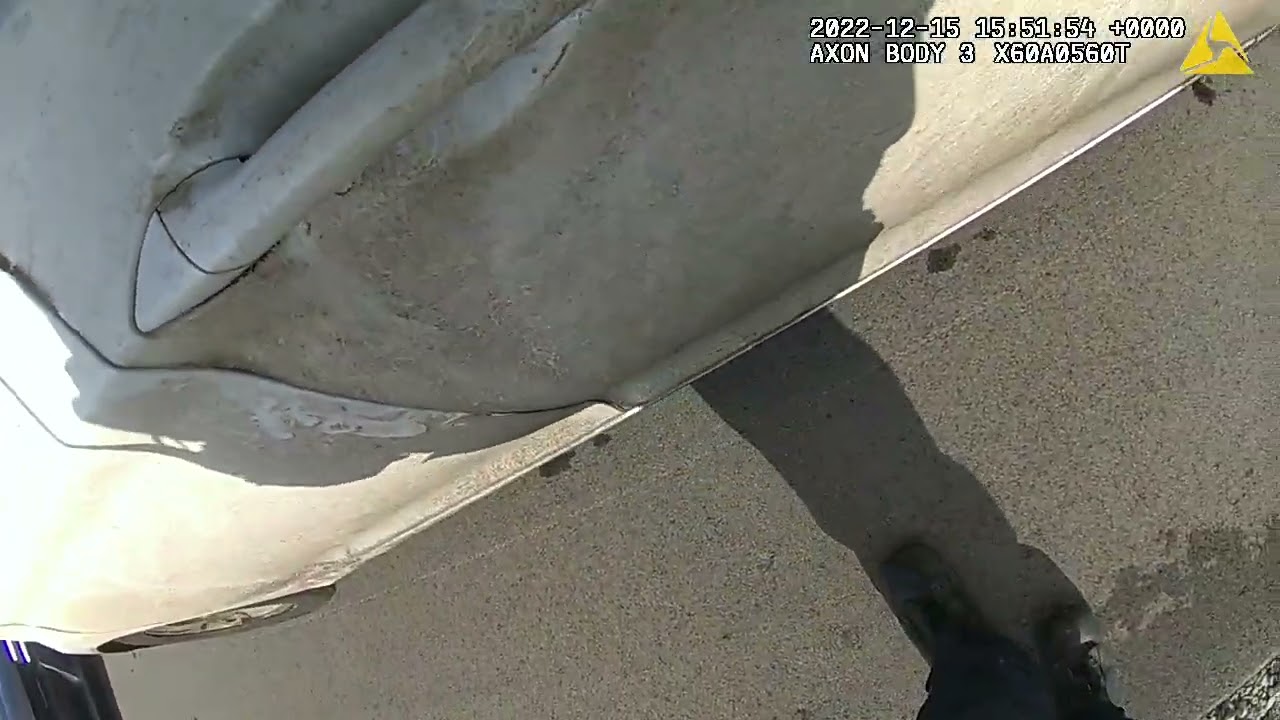
Bryan Kohberger's traffic stop in Indiana - Body Cam footage
Posted
June 15, 2023
Views
7,414
Likes
188
Comments
36
Engagement
3.02%
June 15, 2023
7,414
188
36
3.02%
Every word spoken in this episode is indexed. Type any phrase to jump straight to the moment it was said.
Type any word or phrase that may have been spoken. Click a result to seek the player to that exact moment.
Try a name, a topic, or a quoted line
 3:27Now Playing
MOSCOW (Idaho Statesman) — Two December traffic stops by Indiana police of the man later charged with murdering four University of Idaho students were unrelated to any active surveillance or the search for a car similar to one the suspect drove, according to state and federal law enforcement agencies.
The heavily scrutinized stops of Bryan Kohberger a month after the November slayings were instead routine interstate drug trafficking prevention operations by two different Indiana police departments, law enforcement officials in the state told the Idaho Statesman.
Kohberger and his father were pulled over along eastbound Interstate 70 on Dec. 15 as they road-tripped more than 2,500 miles from Pullman, Washington, to eastern Pennsylvania. Kohberger, 28, at the time was a graduate student at Washington State University and driving his white 2015 Hyundai Elantra when Indiana police officers working independently made the two highway stops within 10 minutes just east of Indianapolis.
The FBI has maintained its agents were not involved in the stops, including this week in response to questions about the incidents from the Statesman. Sandra Barker, a Salt Lake City-based FBI spokesperson, pointed to past statements from the agency to underscore denials that it played any part in them.
“Contrary to reports, the Dec. 15 traffic stops conducted on the vehicle being driven by Bryan Kohberger in Indiana were not requested or directed by the FBI,” the FBI’s Indianapolis office said in January.
Kohberger was arrested at his parents’ Pennsylvania home Dec. 30. He was flown to Idaho on Jan. 4 and remains in custody in Moscow in connection with the stabbing deaths of U of I seniors Madison Mogen and Kaylee Goncalves, each 21, junior Xana Kernodle, 20, and freshman Ethan Chapin, 20.
“There are anonymous sources providing false information to the media,” an FBI statement from February read. “Publishing of false information attributable to anonymous sources is not helpful to the case against Kohberger or to the American public.”
Indiana State Police Trooper Christopher Waltz pulled over the Kohbergers on Dec. 15 at about 10:50 a.m. just down the road from a prior stop by Sgt. Nick Ernstes with the Hancock County Sheriff’s Office, the two departments told the Statesman. Ernstes’ decision to stop the white Elantra with Washington state plates about 10 minutes earlier “was simply a part of his routine day,” and proactive drug checks were his exclusive assignment that morning, Hancock County Sheriff’s Capt. Robert Harris told the Statesman.
“His only task was to seek out and stop vehicles to look for drug trafficking and other interstate criminal activity,” Harris, the department spokesperson, said by email. “He did not see any of the typical indicators to warrant further investigation for illegal drug activity, so he released the suspect with a verbal warning for following another vehicle too closely.”
The Indiana State Police’s special investigations unit includes a drug enforcement section. Within that group is a full-time interdiction detail, according to a state website dedicated to drug addiction issues.
Indiana State Police spokesperson Capt. Ron Galaviz declined to answer questions about the department’s drug interception program or Waltz’s stop of Kohberger, citing department policy against publicly discussing operations. Waltz also declined a Statesman request for an interview through Galaviz.
But an Indiana State Police report from the incident obtained by the Statesman through a public records request confirmed Waltz was on duty at the time as part of the department’s drug enforcement section. He reported witnessing a white Elantra driving at an “unsafe distance” behind a semi trailer, which turned out to be about four miles from where the Kohbergers were pulled over just moments before.
Indiana State Police look for signs of possible drug trafficking while making routine traffic stops, according to a presentation on the agency’s drug interdiction program. Troopers are instructed to check if drivers have matching licenses for out-of-state plated vehicles, determine whether the driver and passenger know one another, and learn about where they are going and why.
“At the time of this stop, there was no information available on a suspect for the crime in Idaho, to include identifying information or any specific information related to the license plate state or number of the white Hyundai Elantra which was being reported in the media to have been seen in or around where the crime occurred,” the Indiana State Police said in a Jan. 3 press release.
“On the day of the traffic stop, Sgt. Ernstes did not know about any Be-On-the-Lookouts from the Moscow Police Department,” said Harris, the Hancock County Sheriff’s Office spokesperson. “He was not directed to stop the vehicle by anyone, and to our knowledge the car was not under any surveillance.”
Sentinel Indexing in Progress
Metadata and chapters are available. Claim extraction for this episode is pending.
All video content is delivered via YouTube embedded players in accordance with the YouTube Terms of Service. Sentinel provides research tools that promote discovery and accountability across political media.