Elan Show
@elanshowofficial·28.6K subscribers·316 videos
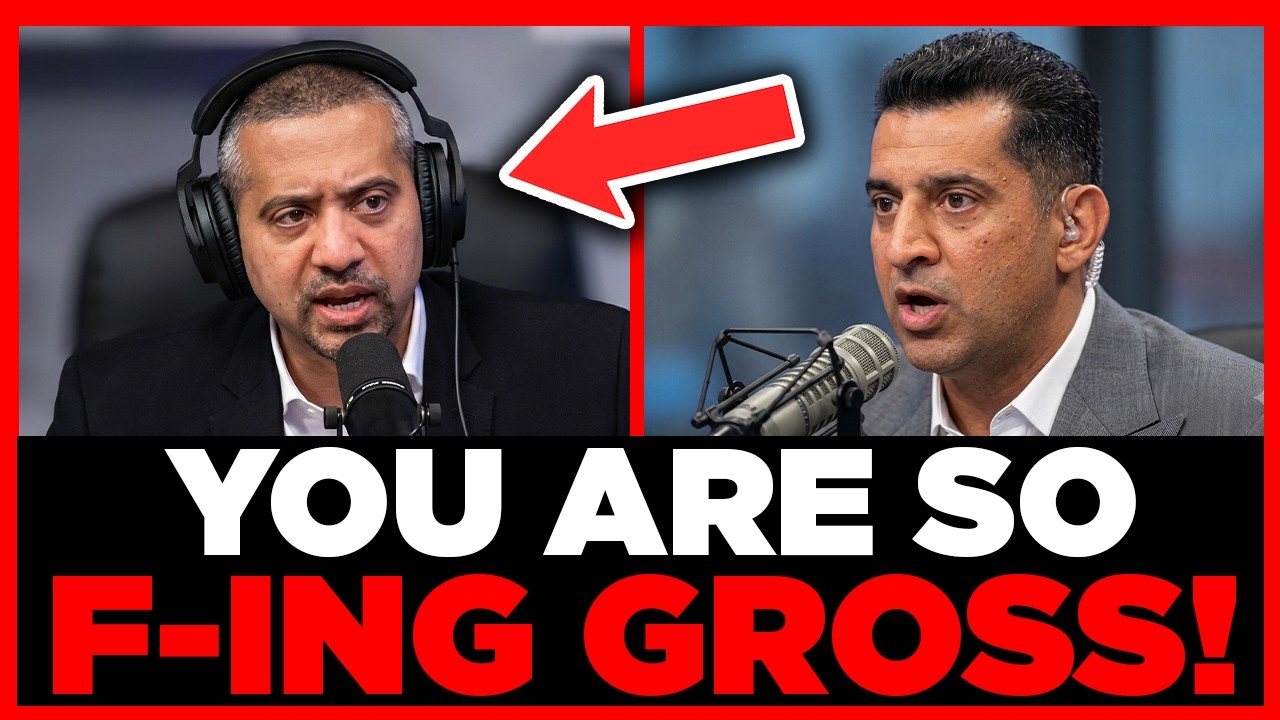
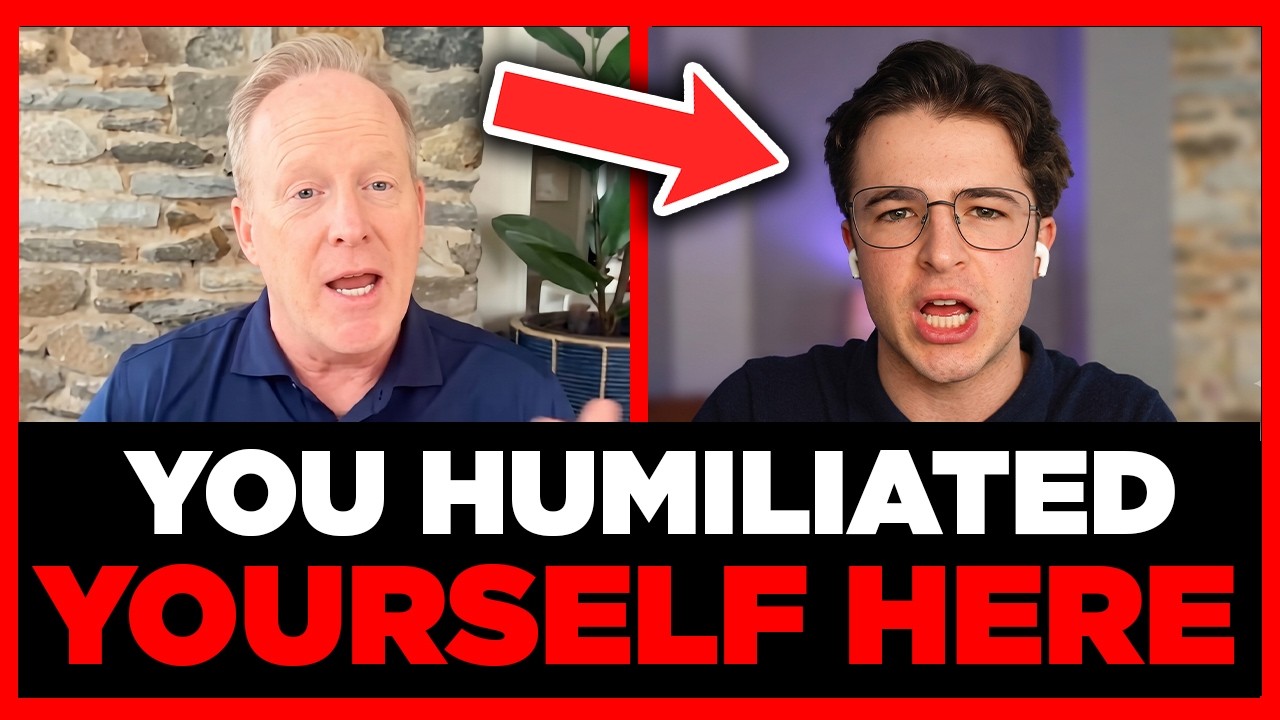
Wajahat Ali CORNERS Goldie Ghamari on Iran's Fake "Collapse"
Posted
June 27, 2026
Views
764
Likes
56
Comments
11
Engagement
8.77%
June 27, 2026
764
56
11
8.77%
Every word spoken in this episode is indexed. Type any phrase to jump straight to the moment it was said.
Type any word or phrase that may have been spoken. Click a result to seek the player to that exact moment.
Try a name, a topic, or a quoted line
 15:34Now Playing
A heated panel clash erupts on Piers Morgan Uncensored as guests go head to head over the aftermath of the Iran war and the deal that followed. This debate brings together sharply opposing worldviews on foreign policy, regime change, and what victory or defeat actually looks like in the Middle East. If you follow geopolitical debates, panel arguments, and uncensored political commentary, this breakdown unpacks every major turning point.
The discussion centers on whether the recent conflict was a strategic success or a costly miscalculation. On one side, commentator Wajahat Ali argues that the war was a major foreign policy failure, claiming the strategy backfired, the targeted regime emerged stronger rather than weaker, and the promised internal collapse never happened. He breaks down how a working diplomatic agreement was torn up, how military action only degraded rather than destroyed the nuclear program, and how the closure of the Strait of Hormuz now gives the regime significant leverage over the global economy, energy prices, and fuel supplies.
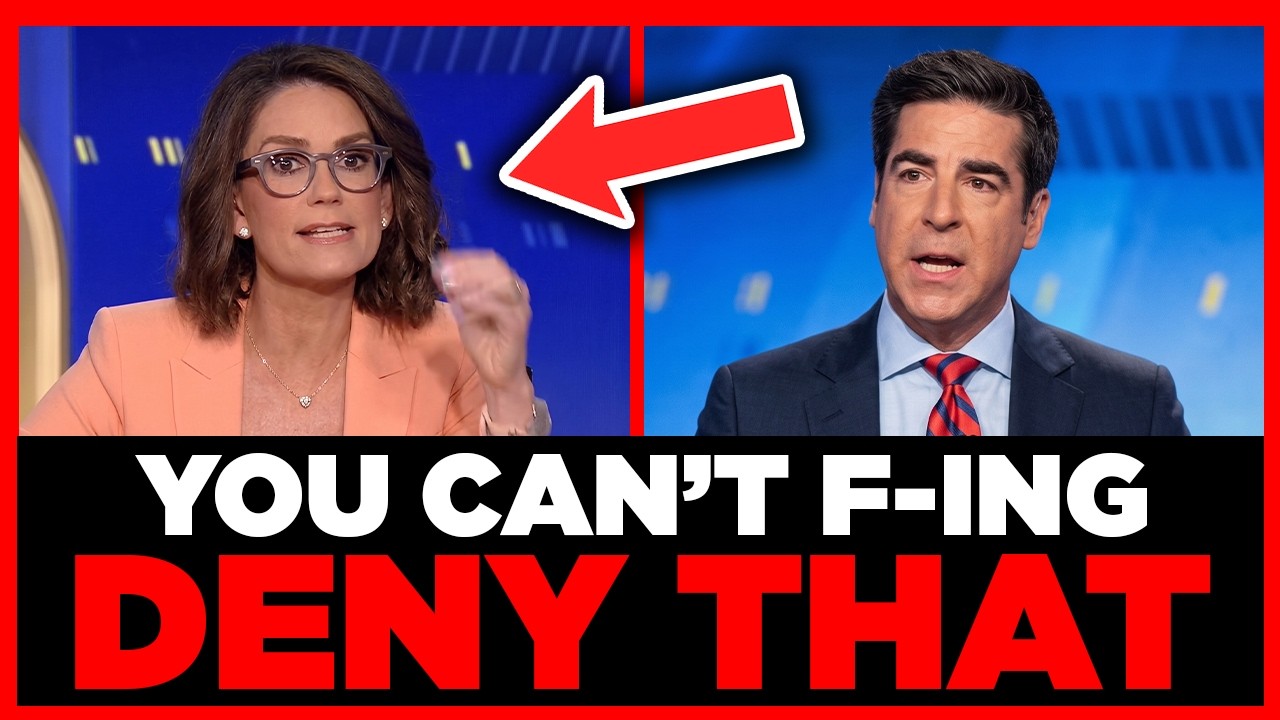
On the other side, Iranian-Canadian commentator Goldie Ghamari insists the regime is collapsing internally and that the people are waiting for the right moment to rise up. The exchange between the two becomes deeply personal, raising questions about who has the authority to speak for the Iranian people, what role exiled leadership plays, and whether predictions of a popular uprising were ever realistic. Host Piers Morgan repeatedly presses for evidence, challenging both sides to back up their claims about regime stability, uprisings, and the true balance of power.
The panel also features former Israeli Prime Minister Naftali Bennett, who lays out his octopus doctrine and his view on confronting the regime through both military and covert means. Senior editor Jack Posobiec defends the strategy as fundamentally different from previous diplomatic deals, while former IDF spokesman Jonathan Conricus offers a regional security perspective on why the conflict unfolded the way it did. Later, Professor Mohammad Marandi of the University of Tehran joins to argue the deal represents a defeat for the aggressors and a vindication of his nation's resilience, military strength, and institutional legitimacy.
Key arguments explored in this video include the debate over nuclear enrichment and whether enriched uranium will ever be surrendered, the question of who truly controls the Strait of Hormuz, the economic fallout including rising gas prices and energy shortages, the shifting alliances toward China, and the broader question of whether starting a war you cannot decisively win creates more problems than it solves. The panel also touches on public opinion, polling, the political pressure surrounding the conflict, and the contrast between battlefield claims and verifiable reality.
This is essential viewing for anyone interested in Piers Morgan Uncensored, geopolitical debate, Middle East politics, foreign policy analysis, war and diplomacy discussions, and high-stakes panel confrontations. Whether you side with the view that this was a costly blunder or believe the regime is on the verge of collapse, the clash of perspectives here gives you the full picture to form your own opinion.
What do you think? Was this conflict a strategic failure or a necessary stand? Do you believe the regime is collapsing or stronger than ever? Who controls the outcome now, and what happens next with the negotiations? Drop your thoughts in the comments below. We want to hear your perspective on the arguments made by each guest, which speaker made the strongest case, and where you think the situation goes from here.
If you enjoy in-depth political debate breakdowns, panel reaction content, and uncensored geopolitical discussion, make sure to like, comment, and subscribe so you never miss the next breakdown. Share this video with anyone who loves a sharp, well-argued debate, and join the conversation in the comments. Let us know where in the world you are watching from and which argument changed your mind.
⭐️Fair Use Disclaimer:
This video may contain copyrighted material the use of which has not always been specifically authorized by the copyright owner. We are making such material available for purposes of criticism, comment, news reporting, teaching, scholarship, or research. We believe this constitutes a 'fair use' of any such copyrighted material as provided for in section 107 of the US Copyright Law.
Content Context: The videos on this channel may explore unverified information or theories gathered from public sources and media reports. They are intended for educational and informational purposes only and should not be interpreted as confirmed facts.
Intent: Elan Show does not seek to discredit or defame any individuals, organizations, or groups. The goal is to promote thoughtful dialogue and critical analysis.
Sentinel Indexing in Progress
Metadata and chapters are available. Claim extraction for this episode is pending.
All video content is delivered via YouTube embedded players in accordance with the YouTube Terms of Service. Sentinel provides research tools that promote discovery and accountability across political media.