Elan Show
@elanshowofficial·28.6K subscribers·316 videos
Piers Morgan Makes MAGA Stooge RAGE QUIT Live on Air
Posted
July 8, 2026
Views
1,589
Likes
49
Comments
5
Engagement
3.40%
July 8, 2026
1,589
49
5
3.40%
Every word spoken in this episode is indexed. Type any phrase to jump straight to the moment it was said.
Type any word or phrase that may have been spoken. Click a result to seek the player to that exact moment.
Try a name, a topic, or a quoted line
 12:27Now Playing
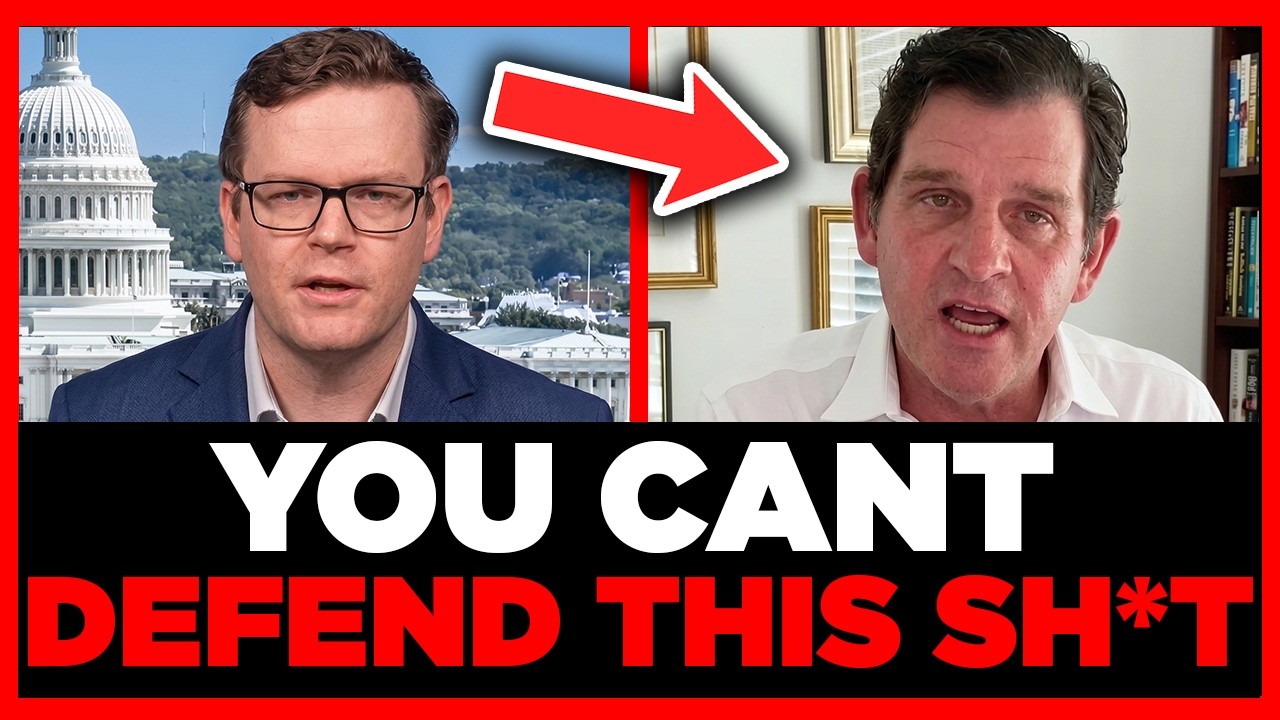
When a former military spokesman went on social media and accused Piers Morgan of platforming lies, most people expected the next interview to be tense. What actually happened on Piers Morgan Uncensored was far more revealing. In this heated confrontation, Piers sits down with Jonathan Conricus of the Foundation for Defense of Democracies, alongside a panel featuring Josh Hammer, Fred Fleitz, and combat veteran Matt Tardio, and refuses to let the accusation slide. Instead of avoiding the conflict, Piers reads the public attack out loud, word for word, and asks Conricus directly why he keeps returning to a show he claims spreads falsehoods.
What follows is one of the sharpest exchanges on modern political media about a single, uncomfortable question: where is the line between legitimate criticism of a government and something darker? This debate cuts to the heart of a discussion that has dominated political commentary, cable news panels, and podcast culture since late 2023. Can you criticize a nation's military, its policies, or its most controversial ministers without being smeared as hateful? Piers argues forcefully that lumping every critic into one category is a grotesque mischaracterization, while Conricus defends his position and insists he stands by every word he wrote.
The turning point arrives when Piers names two of the most hardline figures in the current government, pointing out that men often dismissed as fringe extremists actually hold real cabinet power, including a national security post. It's a moment that forces the entire framing of the debate to collapse, and it exposes the difficulty of calling criticism a smear when the targets of that criticism are running real institutions. The panel dynamic shifts fast, tempers rise, and one guest ultimately decides he has had enough, choosing to disengage rather than answer the toughest questions on the table.
This video breaks down the confrontation from a perspective that values open debate, press freedom, and the right to question those in power without fear of automatic condemnation. We analyze the rhetorical strategy at play, the psychology of who chooses to walk away from an argument, and why the willingness to leave a debate often reveals more than any single talking point. Throughout history, the side that suddenly wants to change the subject is frequently the side that has run out of answers, and this exchange is a textbook example.
If you follow political debate content, cable news showdowns, or the growing world of long-form podcast confrontations, this is a discussion worth watching all the way through. Piers Morgan has built a reputation for hosting fiery interviews across the ideological spectrum, from progressive commentators to conservative firebrands, and this panel is one of the most charged examples of what happens when a guest tries to control the terms of the conversation and the host refuses.
We want to hear from you. Do you think Piers was right to challenge his guest so directly? Is there a meaningful difference between criticizing a government and attacking a people? Or do you side with Conricus and the panel? Drop your thoughts in the comments below, share this video with someone who loves a good debate, and let us know where you are watching from. Your perspective helps drive the conversation, and this is exactly the kind of topic that deserves a real discussion rather than a shouting match.
Subscribe for more breakdowns of the biggest debates in political media, press freedom clashes, cable news confrontations, and the moments that everyone is talking about. Like the video if you believe open dialogue matters, and stay until the end because the final moments are where this one truly turns.
⭐️Fair Use Disclaimer:
This video may contain copyrighted material the use of which has not always been specifically authorized by the copyright owner. We are making such material available for purposes of criticism, comment, news reporting, teaching, scholarship, or research. We believe this constitutes a 'fair use' of any such copyrighted material as provided for in section 107 of the US Copyright Law.
Content Context: The videos on this channel may explore unverified information or theories gathered from public sources and media reports. They are intended for educational and informational purposes only and should not be interpreted as confirmed facts.
Intent: Elan Show does not seek to discredit or defame any individuals, organizations, or groups. The goal is to promote thoughtful dialogue and critical analysis.
Sentinel Indexing in Progress
Metadata and chapters are available. Claim extraction for this episode is pending.
All video content is delivered via YouTube embedded players in accordance with the YouTube Terms of Service. Sentinel provides research tools that promote discovery and accountability across political media.