Farron Cousins
@FarronBalanced·1M subscribers·9.1K videos
Study Proves That Militarizing The Police Does NOTHING To Reduce Crime
Posted
December 11, 2020
Views
8,118
Likes
1,099
Comments
167
Engagement
December 11, 2020
8,118
1,099
167
15.59%
Every word spoken in this episode is indexed. Type any phrase to jump straight to the moment it was said.
Type any word or phrase that may have been spoken. Click a result to seek the player to that exact moment.
Try a name, a topic, or a quoted line
 6:06Now Playing
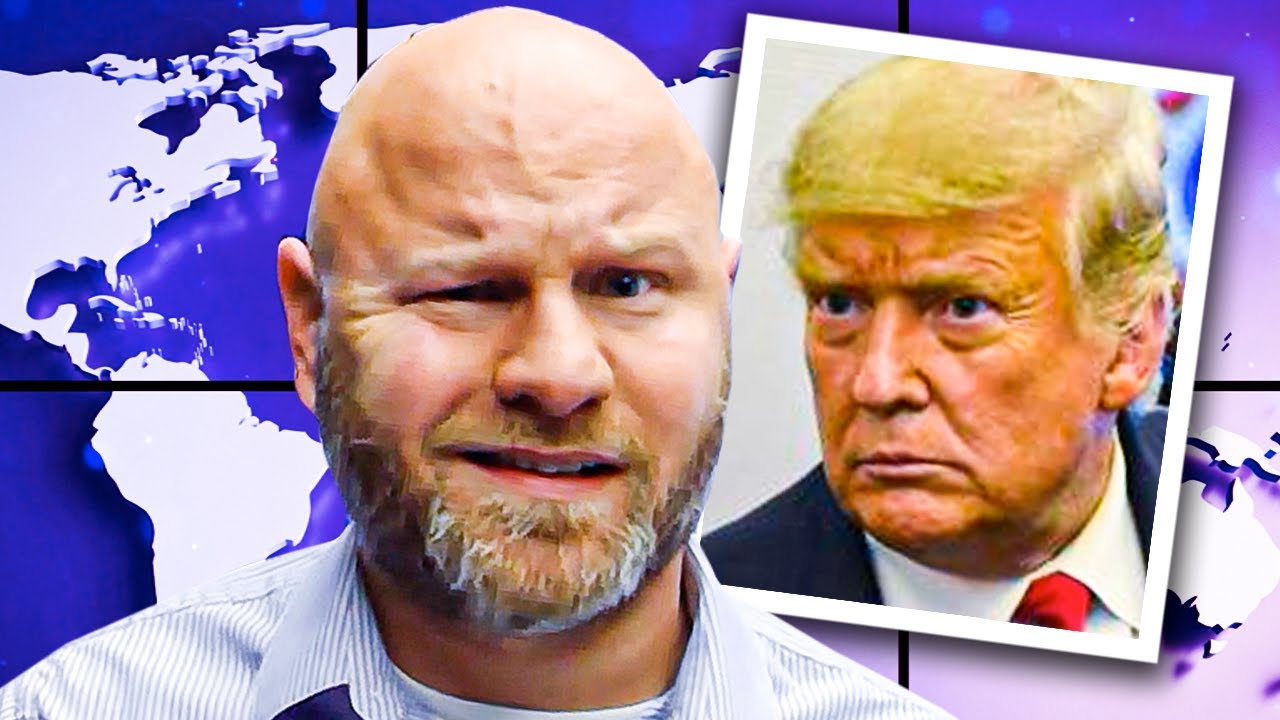
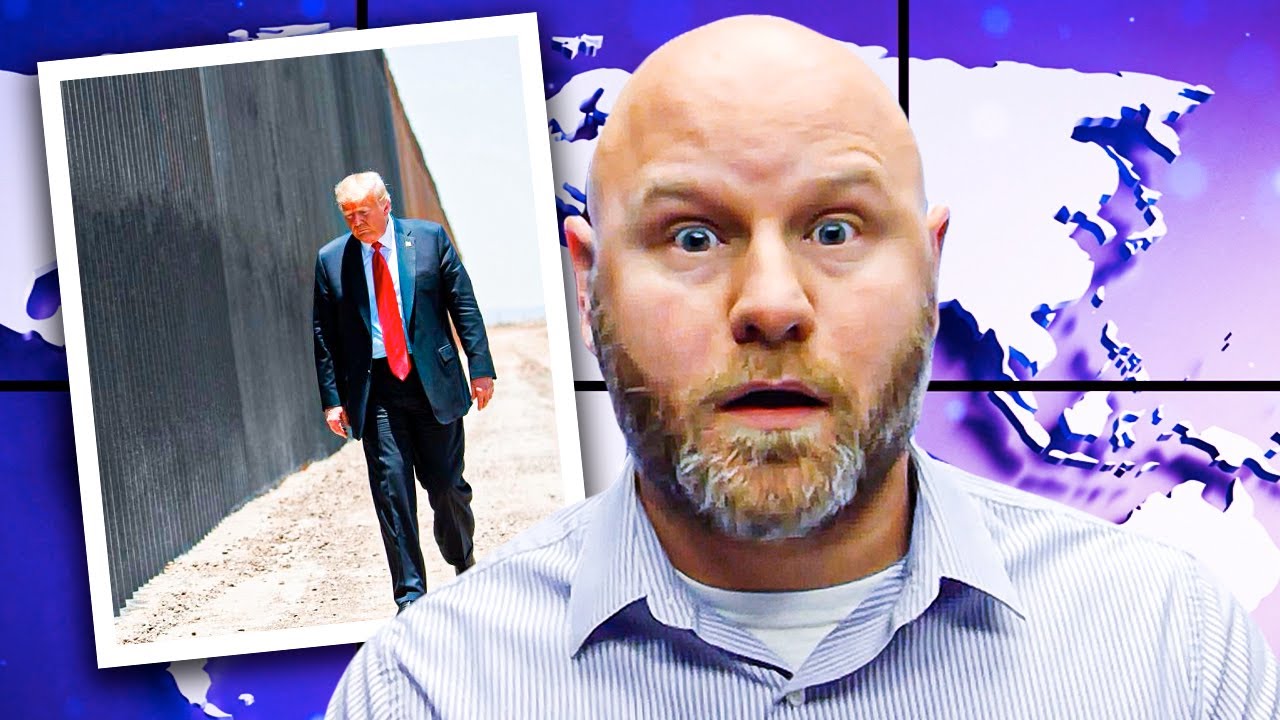
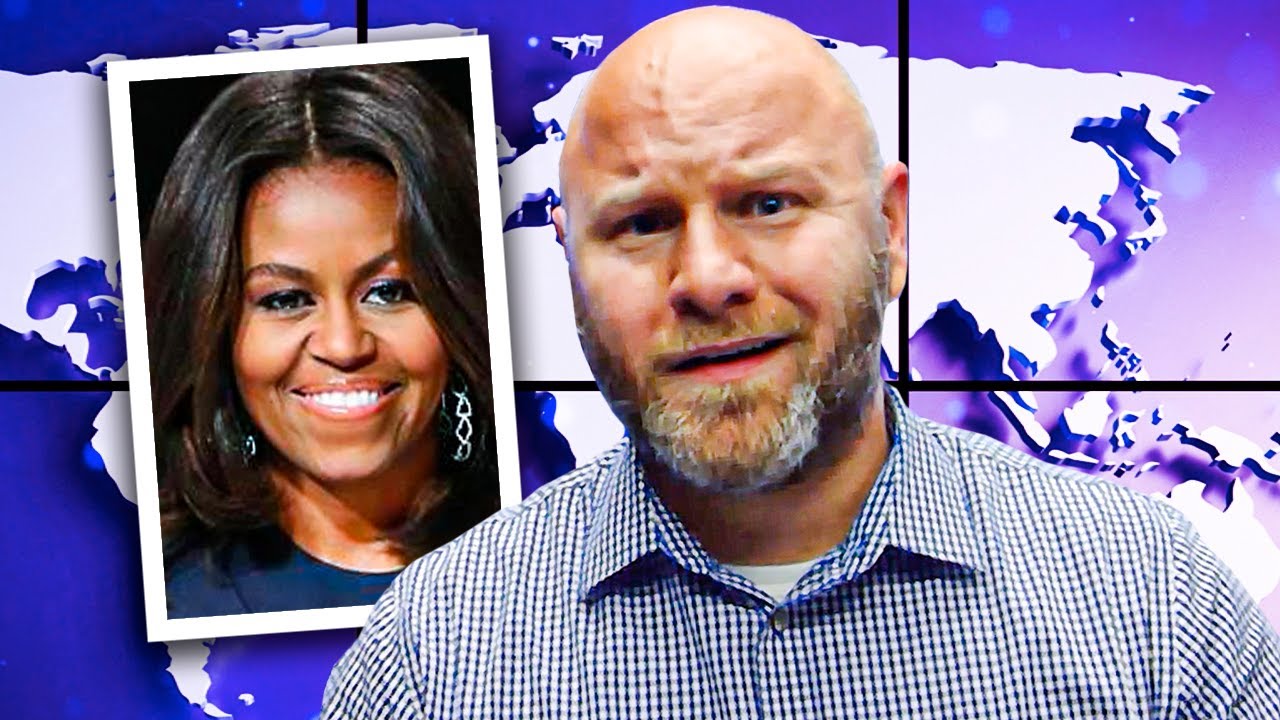
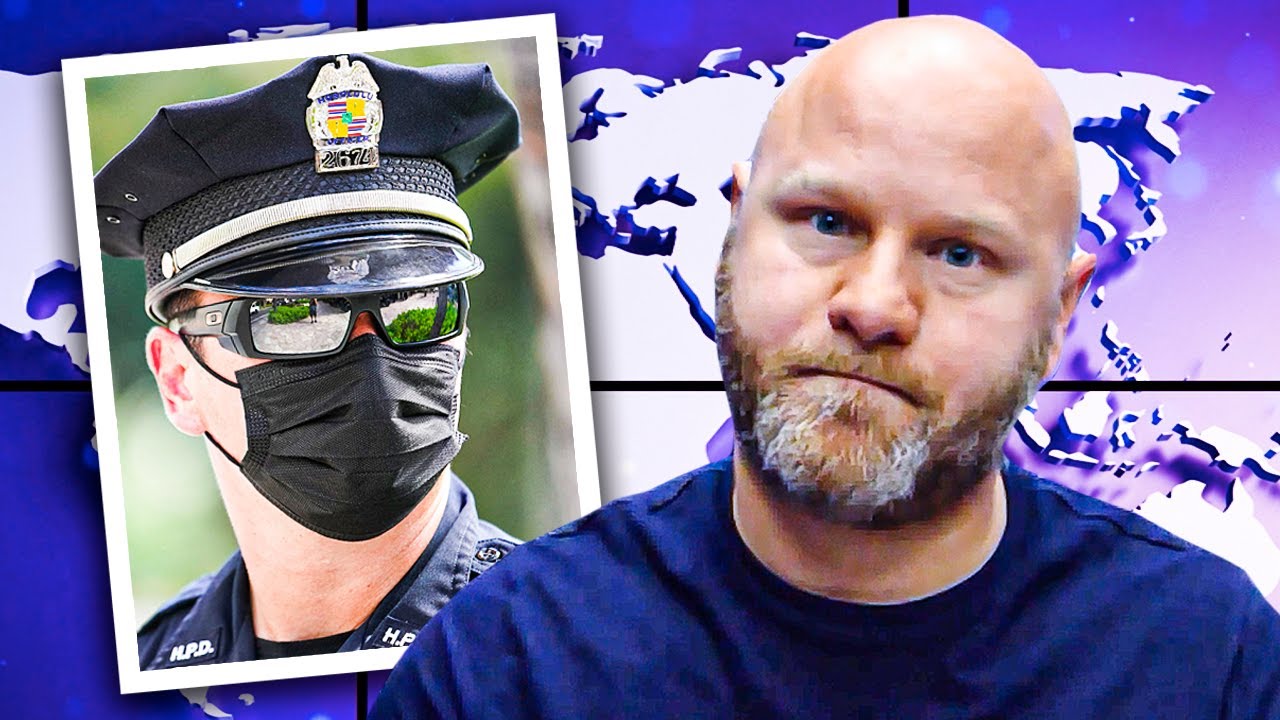
According to a new peer-reviewed study from two major universities, the over-militarization of police forces across the United States has done absolutely nothing to reduce the crime rate. This isn't surprising, considering the fact that these weapons of war on our streets aren't used to actually solve the problems that help exacerbate crime. Farron Cousins explains what's happening.
Don't forget to like, comment, and share! And subscribe to stay connected!
Connect with Farron on Twitter
*This transcript was auto-generated. Please excuse any typos.
According to a new peer reviewed study by researchers at Louisiana state university and Emory university. The over militarization of American police forces has not in any way, led to a decrease in crime rates for more than 30 years, the United States had been operating a program called the 10 33 program. And what that does is it allows excess military equipment or surplus military equipment. Once it's no longer needed by the U S military, it is then passed on to police departments here in the United States. And there were roughly 9,000 different police forces across the country that participate in this program. They get surplus military equipment such as, um, from 2016 to 2014, they've gotten 80,000 rifles, 12,000 bayonets, 4,000 combat knives, nearly 500 bomb, detonator robots, 50 airplanes, night, vision sniper scopes, uh, mine resistant ambush protected vehicles, which are designed to withstand [inaudible]. And they've also received military grade drones and rocket launchers and grenade launcher.
Huh? And these, these forces having all these extra little toys out there, somehow hasn't reduced crime. It also hasn't protected officers in the way that they argue it has. That's been one of the biggest arguments for the program is that no, this helps our police officers. Well, the peer reviewed study from these two major university says that, yeah, you haven't seen a decrease in the number of police fatalities because of these programs or this program. Instead, what we have seen, the only marketable difference is that it is actually made the public less trusting of police. It has worsened the relationship between police officers and the communities that they're supposed to be protecting. So this 10 33 program, which again has been in place for over 30 years is making things worse who would have thought that turning our police forces into many militaries would make things worse. Wow, what a shocker, right? The truth is it's not necessarily just about militarizing our police. It's about the fact that we in the United States treat health problems as criminal problems. We treat things the police do. In some instances like shoplifting as capital offenses, we have seen unarmed black Americans killed for allegedly shoplifted.
I'd say that it probably has a pretty bad, uh, uh, impact on how the community views police officers, but the health issue thing we're treating addiction, which is a health problem. We treat addiction like criminal problem. So instead of getting these people help, instead of getting them therapy, instead of getting them into treatment centers, we throw them in prison. And then because of our private prison, industrial complex, people are profiting off that. And those same people profiting off that continue to pay off politicians to make sure that we don't change the way things operate. So that way we don't start treating addiction as a health crisis. And instead we continue to treat it as a criminal crisis so we can lock them up and they can get more money in the cycle. We'll just continue. We don't do things about income inequality. We don't do things about the fact that there are people in this country who need things.
They need food, they need money. They need to be able to survive, but we starved them of those things, forcing them to turn to criminal acts. Sure. Not all the time. Some people are just bad people, but most of the folks in this country, most of the ones we have locked up, they're not they're victims of circumstance. Look, you're never going to find any group of human beings together where there's not some kind of crime. Okay. Some sometimes that's just part of the way it is, but there are far too many people in this country locked up over health issues, locked up over minor things that could be handled in a better way with community outreach outreach, you know, with, with therapy, with health monitoring. But we don't want spend the money on that instead. We'd rather spend the money saying, Hey, local police force. Here's your grenade launcher.
Sentinel Indexing in Progress
Metadata and chapters are available. Claim extraction for this episode is pending.
All video content is delivered via YouTube embedded players in accordance with the YouTube Terms of Service. Sentinel provides research tools that promote discovery and accountability across political media.