
Forbes
@forbes·2.1M subscribers·11.3K videos
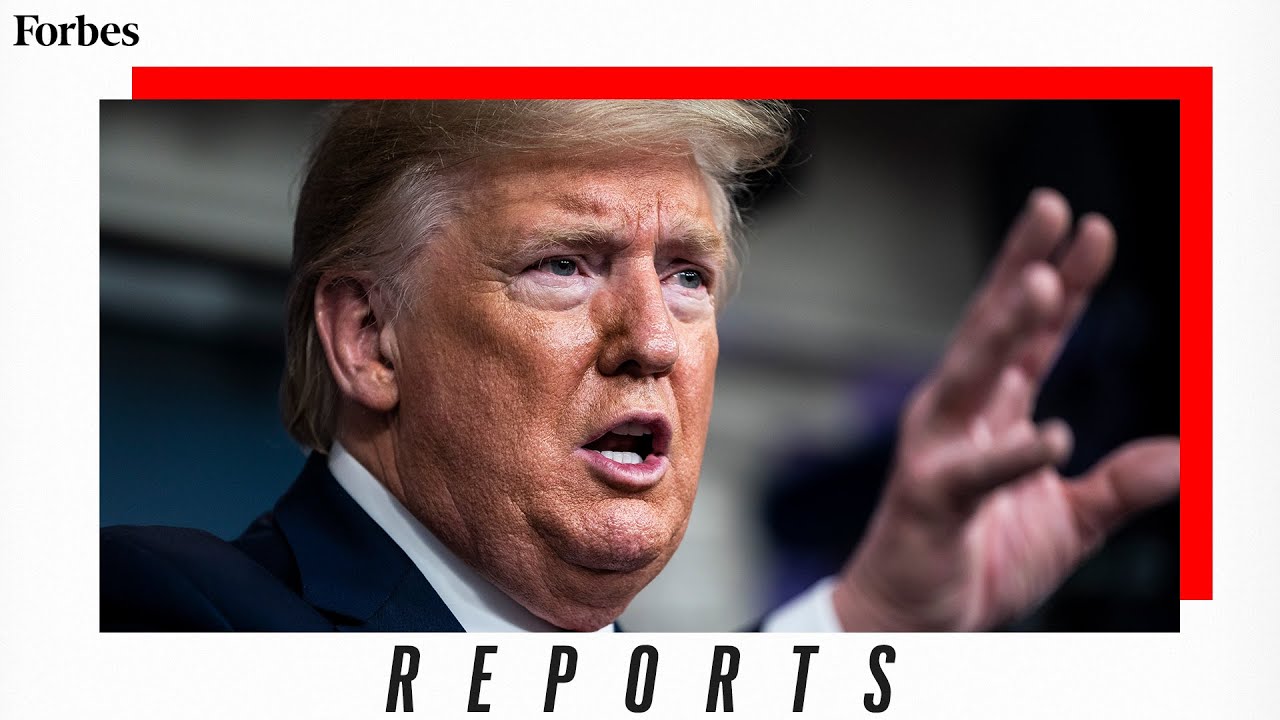
Why Trump Is Still A Billionaire Even With Debt | Forbes
Posted
October 23, 2020
Views
112,893
Likes
2,162
Comments
276
Engagement
2.16%
October 23, 2020
112,893
2,162
276
2.16%
Every word spoken in this episode is indexed. Type any phrase to jump straight to the moment it was said.
Type any word or phrase that may have been spoken. Click a result to seek the player to that exact moment.
Try a name, a topic, or a quoted line
 6:16Now Playing
“Is Donald Trump really a billionaire?” everyone seemed to be asking after the New York Times dropped a bombshell report about the president’s taxes, which detailed big losses in some years and limited income in others. The answer: Yes, he is indeed.
In fact, Trump is a multibillionaire, worth $2.5 billion, by our count. His portfolio, which includes commercial buildings, golf properties and branding businesses, is worth an estimated $3.66 billion before debt. The president has a fair amount of leverage—adding up to a roughly $1.13 billion—but not enough to drag his net worth below a billion dollars.
To understand how Donald Trump could be so rich—yet look so poor—it’s essential to comprehend the difference between what we’ll call (a) taxable income and (b) operating income. Taxable income is the amount people tell the Internal Revenue Service they earned, after subtracting a bunch of things like depreciation, interest, past losses and, in Trump’s case, questionable business expenses. Operating income captures the amount businesses make from their standard operations, ignoring a bunch of fancy accounting tricks and financial maneuvers.
Many of Donald Trump’s businesses generate a huge amount of operating income, even though his IRS filings reportedly show very little taxable income. That’s important because operating income, not taxable income, is a key factor in determining the value of a real estate asset. Investors want to know how much a building throws off in annual profits. What happens after that on a personal tax return—the level of financial wizardry that a seller might use to make their operating profit look like a loss, and thereby avoid taxes—doesn’t matter much to a potential buyer.
“There’s the tax world, and then there’s the real world,” says Eric Anton, a commercial real estate broker in New York City. “They’re totally different.”
Trump’s operating income is real and documented, laid out in paperwork from local tax offices, the Securities and Exchange Commission and the president’s business partners. Don’t be fooled: The news is not that the president is broke (the Times story notes that tax returns do not list someone’s net worth). The news, instead, is that Donald Trump seems to have avoided paying much in taxes despite significant operating profits at certain properties. In other words, he figured out how to share very little of his fortune with the country he now leads.
Read the full profile on Forbes
Subscribe to FORBES
Stay Connected
Forbes newsletters
Forbes on Facebook
Forbes Video on Twitter
Forbes Video on Instagram
More From Forbes
Forbes covers the intersection of entrepreneurship, wealth, technology, business and lifestyle with a focus on people and success.
Sentinel Indexing in Progress
Metadata and chapters are available. Claim extraction for this episode is pending.
All video content is delivered via YouTube embedded players in accordance with the YouTube Terms of Service. Sentinel provides research tools that promote discovery and accountability across political media.