Grain Markets and Other Stuff
@grainmarketsandotherstuff·35K subscribers·1.5K videos
Solar Panels on Farm Land: Good or Bad??
Posted
March 8, 2024
Views
9,276
Likes
292
Comments
62
Engagement
March 8, 2024
9,276
292
62
3.82%
Every word spoken in this episode is indexed. Type any phrase to jump straight to the moment it was said.
Type any word or phrase that may have been spoken. Click a result to seek the player to that exact moment.
Try a name, a topic, or a quoted line
 17:43Now Playing
Joe's Premium Subscription
Apple Podcasts
Futures and options trading involves risk of loss and is not suitable for everyone.
As farmers navigate lower grain prices and rising input costs, many are turning to solar development as a lucrative alternative revenue stream. With farmer income projected to decline by 26% this year, leasing land to solar developers offers a promising solution to offset financial pressures. The surge in solar adoption is further fueled by President Joe Biden's Inflation Reduction Act, which provides tax incentives for solar projects. Despite the potential benefits, concerns loom regarding the accelerated loss of farmland, with the US witnessing a significant decrease of 20 million acres of agricultural land between 2017 and 2022.
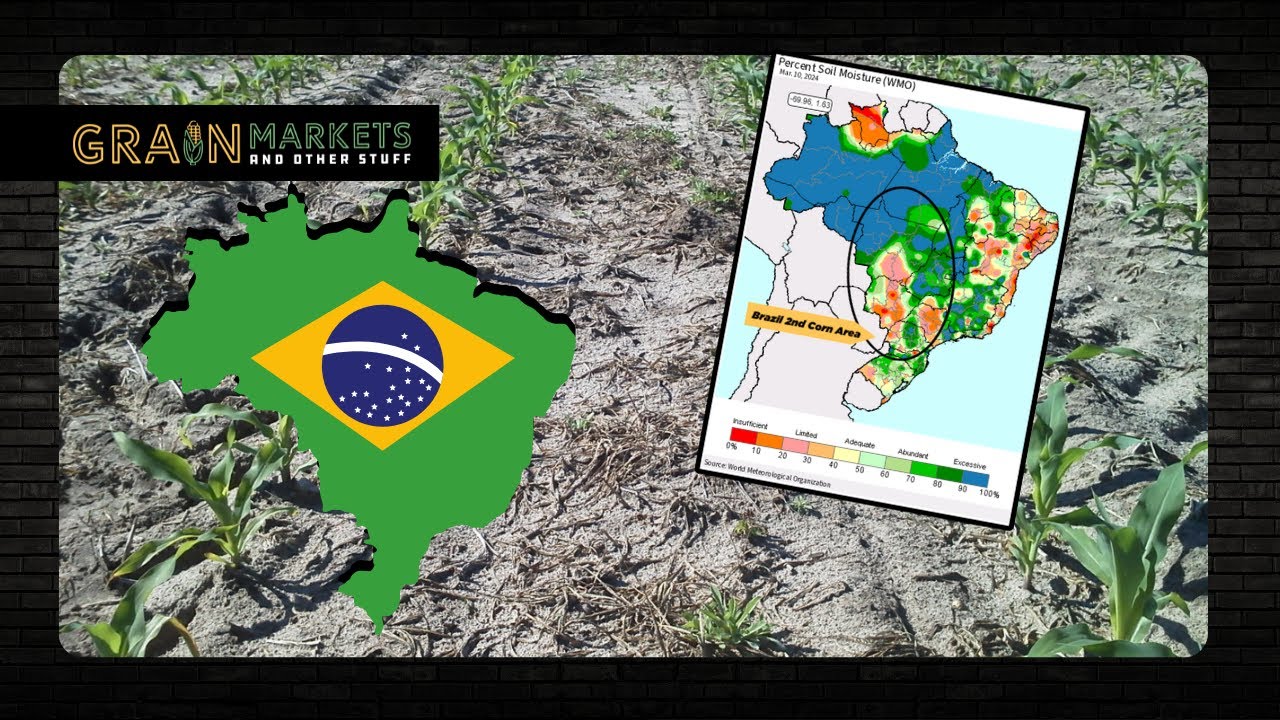
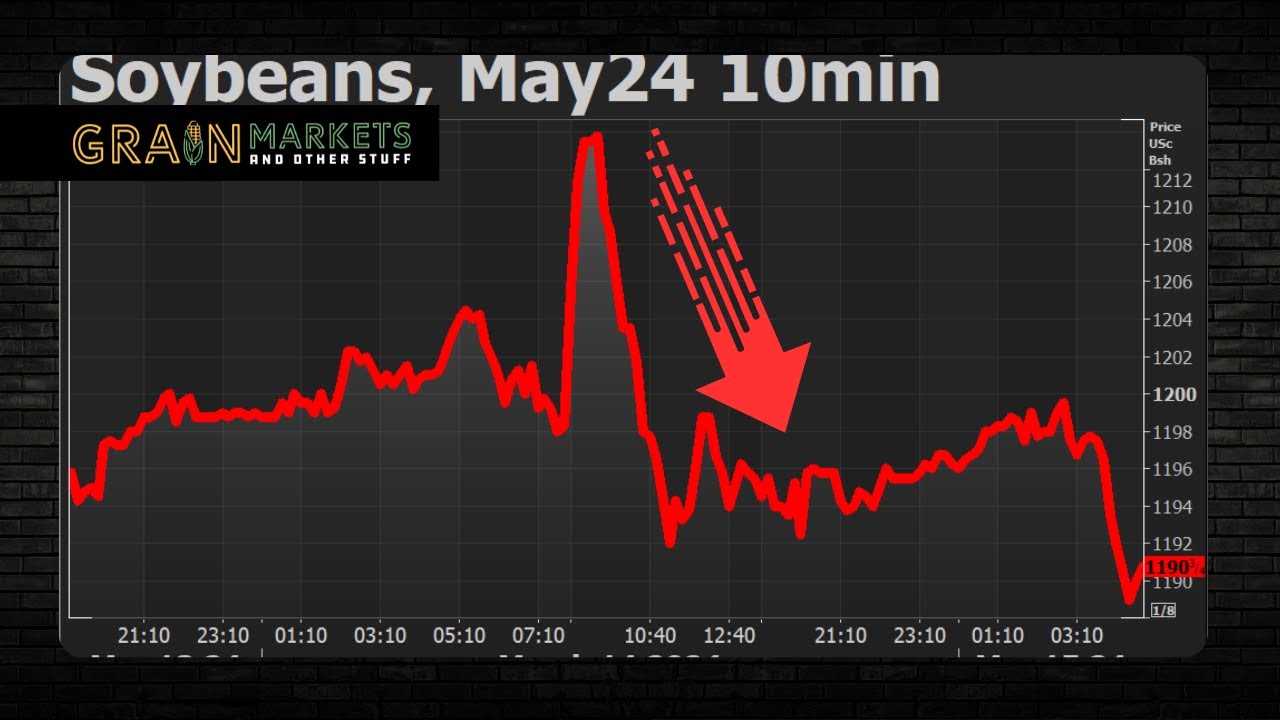
Today marks the release of the USDA's monthly Crop Production and WASDE report, anticipated to shed light on the latest agricultural outlook. While no major changes are expected in the US balance sheets, traders await potential revisions, especially concerning Brazilian soybean production estimates, which may see a substantial reduction compared to previous forecasts.
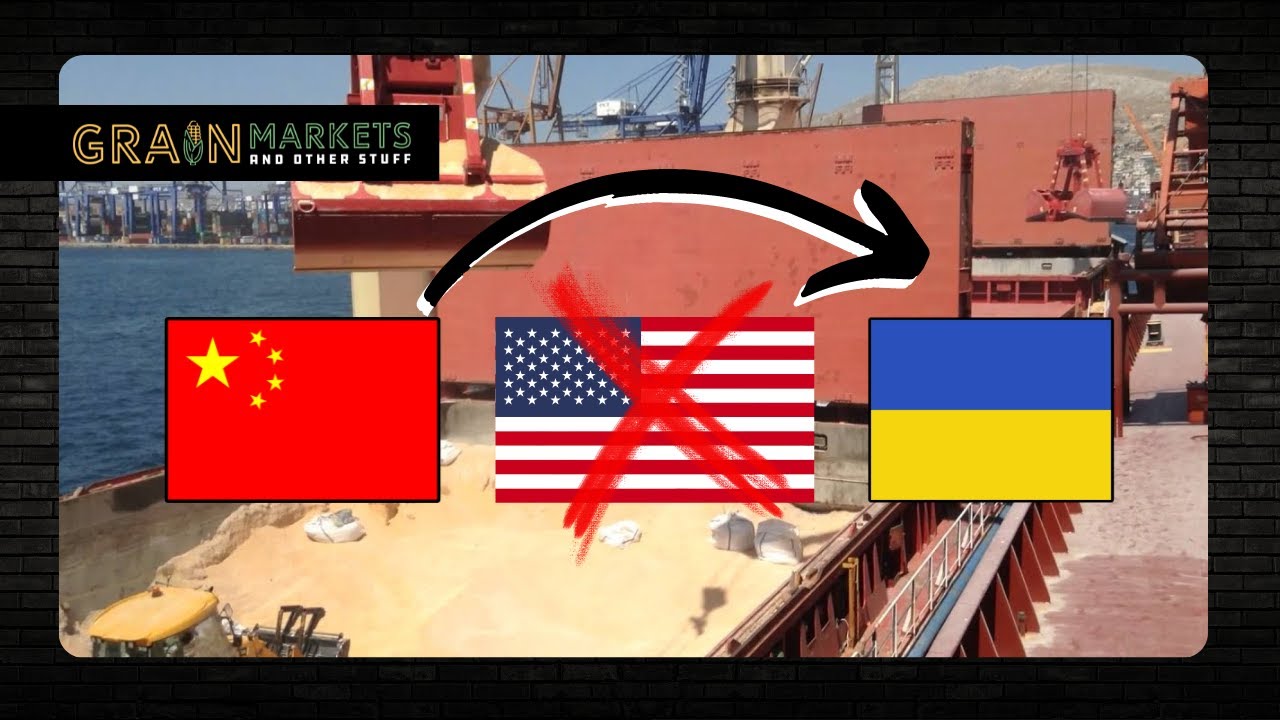
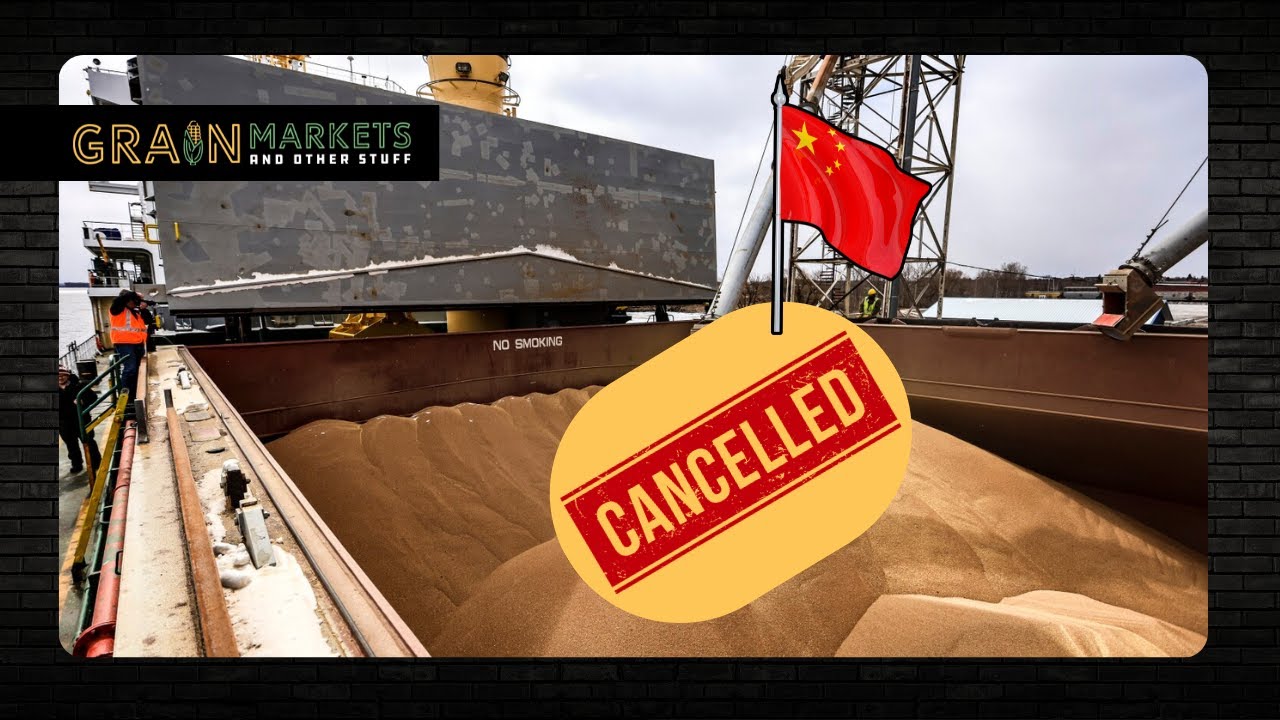
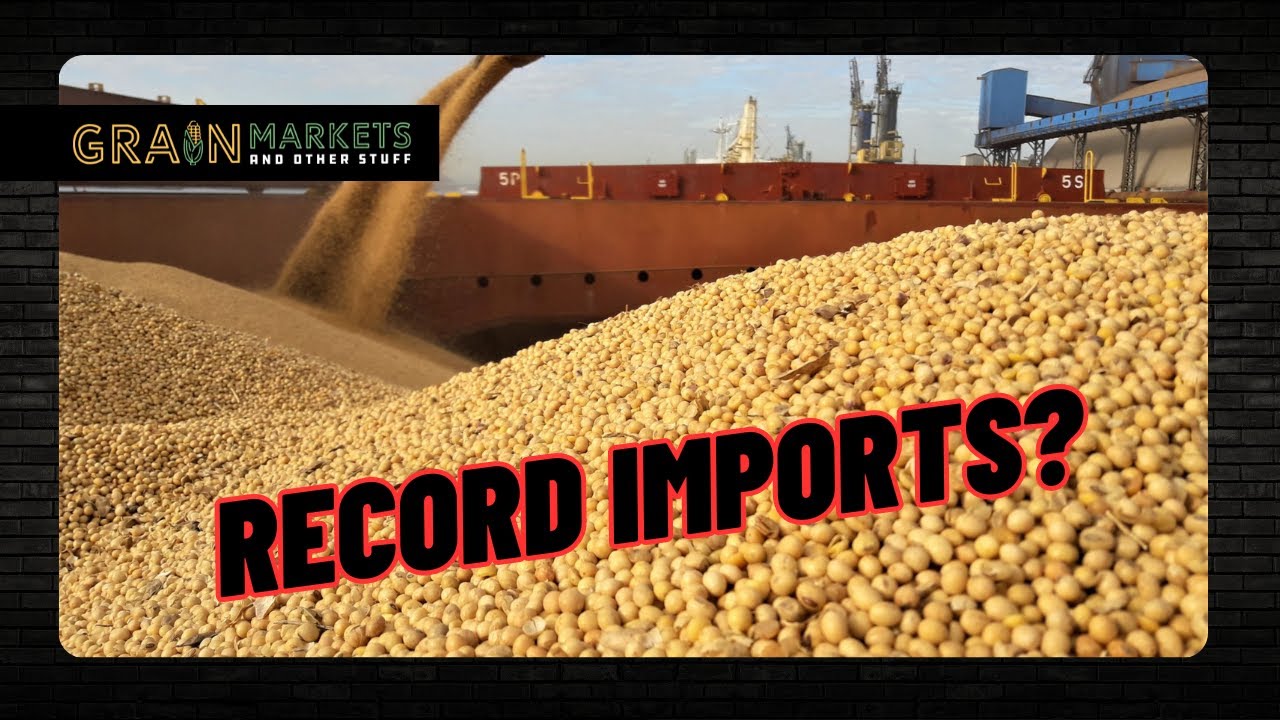
In market developments, a "flash cancellation" of US corn to China was reported on Thursday, impacting the wheat market sentiment. Despite this, US soybean export sales showed improvement, with China emerging as the largest buyer for the week. However, concerns persist over cancellations of previous soybean purchases by unknown destinations. Net corn sales remained steady, with Japan leading in purchases, while net wheat sales witnessed a decline, notably to the Philippines.
The USDA's weekly drought monitor highlighted mixed conditions across key agricultural regions, with improvements seen in parts of the Midwest but exacerbations in others, particularly in Iowa and parts of the High Plains. These dynamics continue to influence market sentiments amidst evolving weather patterns.
Furthermore, the dollar weakened on Thursday as markets speculated on potential rate cuts by the Federal Reserve, with Chair Jerome Powell hinting at a shift in monetary policy. Meanwhile, labor market data suggested ongoing stabilization, with the Labor Department set to release February's employment report today, providing further insights into economic trends.
Stay tuned for updates on agricultural market trends and their broader economic implications. 🔄🌾💼
Sentinel Indexing in Progress
Metadata and chapters are available. Claim extraction for this episode is pending.
All video content is delivered via YouTube embedded players in accordance with the YouTube Terms of Service. Sentinel provides research tools that promote discovery and accountability across political media.