Hardly Legal
@hardly_legal·9.1K subscribers·257 videos
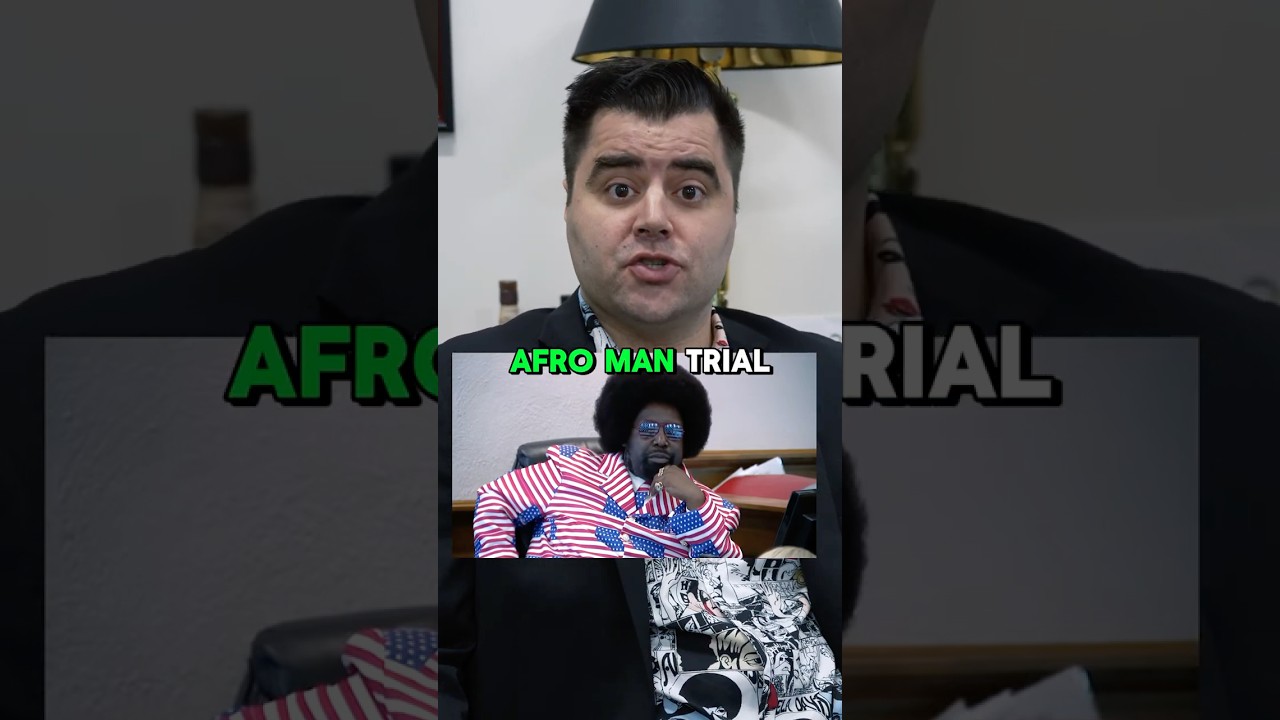
30 secs Lawyer breaks down Afroman trial!
Posted
March 26, 2026
Views
182
Likes
12
Comments
2
Engagement
7.69%
March 26, 2026
182
12
2
7.69%
Every word spoken in this episode is indexed. Type any phrase to jump straight to the moment it was said.
Type any word or phrase that may have been spoken. Click a result to seek the player to that exact moment.
Try a name, a topic, or a quoted line
 0:49Now Playing
The Afroman Trial Explained
In 2022, rapper Afroman’s house in Adams County, Ohio was raided by police who were investigating drug trafficking and kidnapping. The raid was captured on Afroman’s home security cameras. Police searched the house, broke down his door, and went through his belongings — but ultimately did not find any evidence of major crimes.
After the raid, Afroman did something unexpected. He used the security camera footage from the police raid in his music videos, social media content, merchandise, and even album artwork. Some of the videos showed officers searching his home, taking money from his pockets, and looking through his things. The content went viral online and became part of his album and music promotion.
Several of the officers involved in the raid then sued Afroman. They claimed invasion of privacy, emotional distress, and that he used their images and likeness for commercial purposes without their permission. Essentially, the police officers were suing him for using the footage of them inside his house.
The case turned into a major legal debate about free speech and privacy. Afroman’s argument was that it was his house, his security cameras, and that the police were public officials performing their duties, so he had the right to use the footage for artistic expression and commentary.
Much of the lawsuit against Afroman was eventually dismissed, with the court leaning toward First Amendment protections and the idea that police officers have limited privacy while performing official duties. Afroman also filed counterclaims related to the raid and property damage.
The case became famous online because of how unusual it was: police raided a rapper’s house, found nothing, he turned the raid into an album and music videos, and then the police sued him — which turned into a free speech case.
This situation is now often talked about as a real-world example of free speech, parody, and the rights of citizens to record and use footage of police in their own homes.
Sentinel Indexing in Progress
Metadata and chapters are available. Claim extraction for this episode is pending.
All video content is delivered via YouTube embedded players in accordance with the YouTube Terms of Service. Sentinel provides research tools that promote discovery and accountability across political media.