Heimlers History
@heimlershistory·1.3M subscribers·773 videos
SECTIONAL Conflict: Regional Differences [APUSH Review Unit 5 Topic 5] Period 5: 1844-1877
Posted
November 23, 2020
Views
752,606
Likes
6,011
Comments
109
Engagement
November 23, 2020
752,606
6,011
109
0.81%
Every word spoken in this episode is indexed. Type any phrase to jump straight to the moment it was said.
Type any word or phrase that may have been spoken. Click a result to seek the player to that exact moment.
Try a name, a topic, or a quoted line
 7:33Now Playing
GET FOLLOWALONG NOTEGUIDES for this video
AP HEIMLER REVIEW GUIDE (formerly known as the Ultimate Review Packet):
+APUSH Heimler Review Guide
+AP Essay CRAM Course (DBQ, LEQ, SAQ Help)
+Bundle Heimler Review Guide and Essay CRAM Course
HEIMLER’S HISTORY MERCH!
Instagram: @heimlers_history
For more videos on APUSH Unit 5, check out the playlist[]()
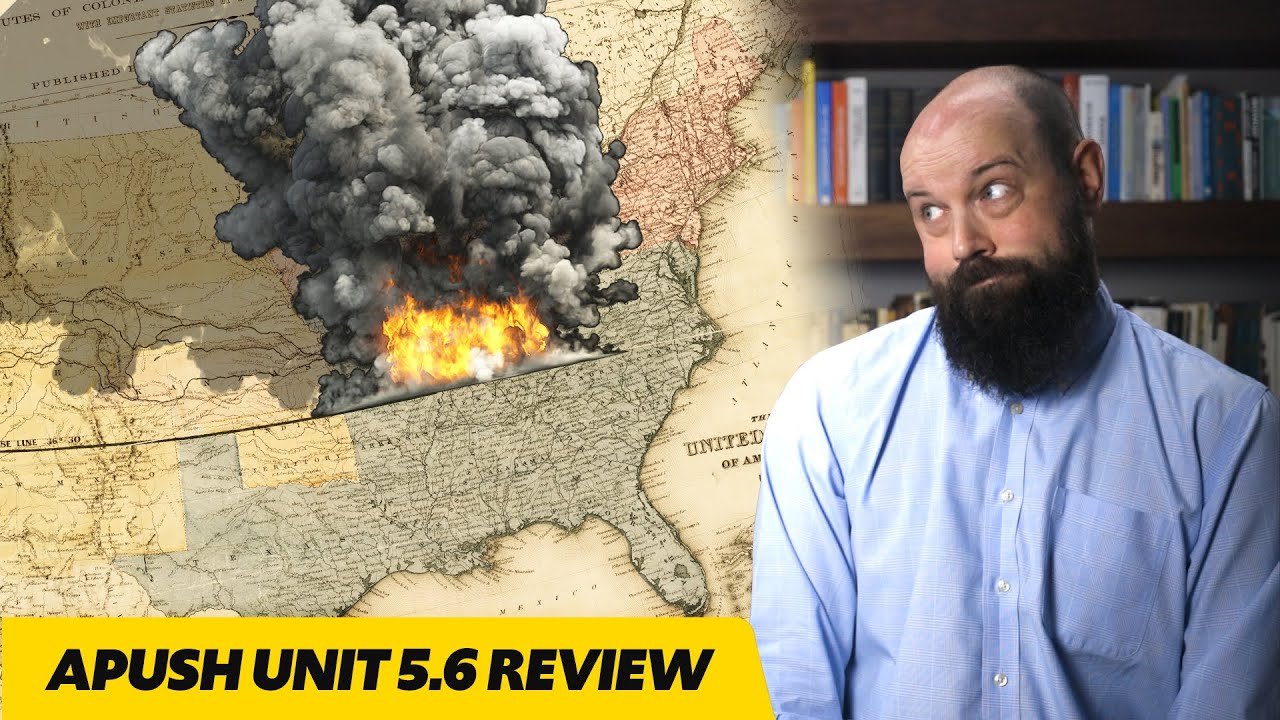
In this video Heimler takes you through Unit 5 Topic 5 of the AP U.S. History curriculum which is set in period 5 (1844-1877).
With the massive wave of Irish and German immigrants arriving in America, new cultures were being brought to bear on American manufacturing cities. In response, a nativist movement to oppose these folks rose up, most notably the Know Nothing Party.
Additionally, there were regional differences and conflict with respect to slavery. In the North, abolitionism was not the dominant position, but it certainly was influential through such publications at the Liberator and Uncle Tom's Cabin. The majority of northerners opposed slavery not on moral grounds but on economic grounds, a position which gave rise to the Free Soil Movement.
But the conflict over slavery continued to push north and south apart, most acutely after John Brown's Raid on Harpers Ferry.
If you have any questions, leave them below and Heimler shall answer forthwithly.
This video is aligned with the AP U.S. History Curriculum and Exam Description for Unit 5 Topic 5, and all the key concepts thereunto appertaining.
Sentinel Indexing in Progress
Metadata and chapters are available. Claim extraction for this episode is pending.
All video content is delivered via YouTube embedded players in accordance with the YouTube Terms of Service. Sentinel provides research tools that promote discovery and accountability across political media.