History Hustle
@historyhustle·283K subscribers·928 videos
Why the Bolsheviks Signed Such UNFAVORABLE Peace Conditions with Germany in WW1
Posted
August 23, 2024
Views
5,775
Likes
293
Comments
9
Engagement
August 23, 2024
5,775
293
9
5.23%
Every word spoken in this episode is indexed. Type any phrase to jump straight to the moment it was said.
Type any word or phrase that may have been spoken. Click a result to seek the player to that exact moment.
Try a name, a topic, or a quoted line
 0:49Now Playing
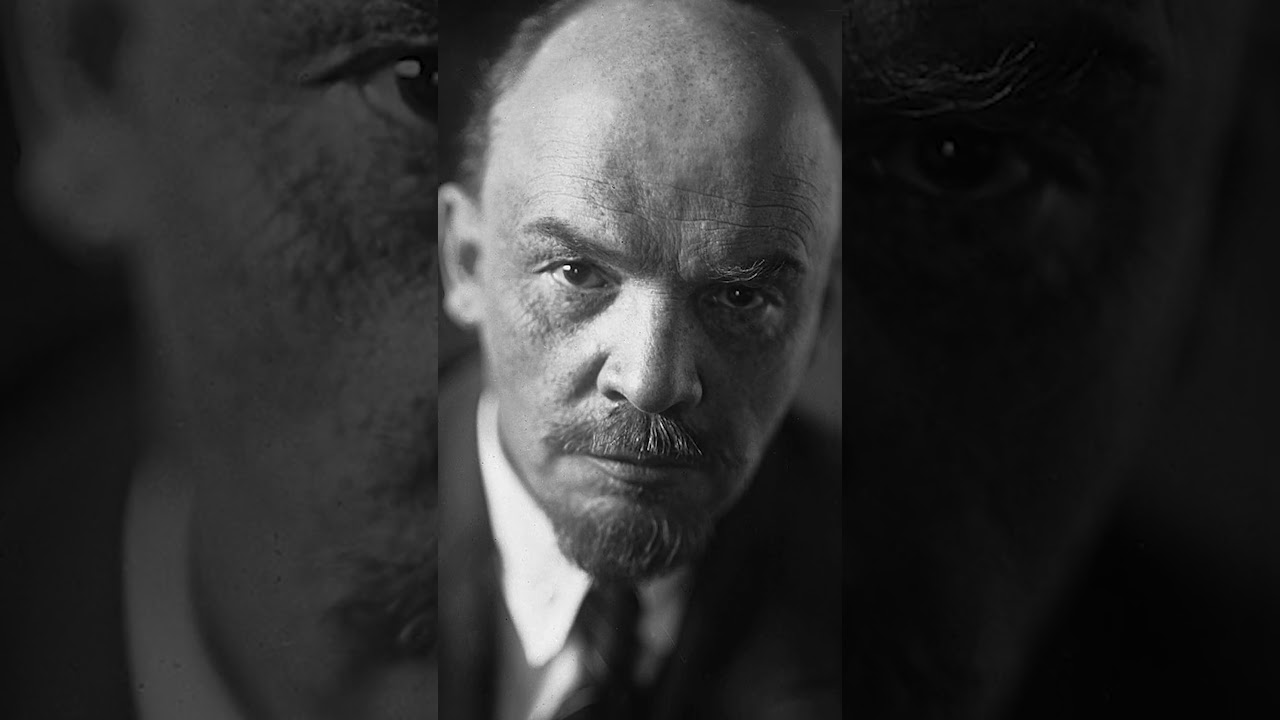
The Bolsheviks signed the Brest-Litovsk Treaty with Germany in March 1918 due to a combination of military and political pressures. Facing internal strife from the Russian Civil War and external threats from German forces advancing on the Eastern Front, the Bolshevik government, led by Vladimir Lenin, prioritized consolidating power and ensuring its survival. The harsh terms of the treaty, which ceded significant territory and resources to the Central Powers, reflected the dire circumstances the Bolsheviks found themselves in. Lenin adopted a pragmatic approach, believing that accepting unfavorable conditions was a temporary setback that would buy time for the consolidation of power and the spread of socialist ideals. This decision, though unpopular, allowed the Bolsheviks to secure their hold on the Russian heartland, laying the groundwork for later geopolitical developments and the eventual establishment of the Soviet Union.
VIDEO
World War I: Russian Revolution 3/4
Russian Civil War (1/5)
Russian Civil War (2/5)
Sentinel Indexing in Progress
Metadata and chapters are available. Claim extraction for this episode is pending.
All video content is delivered via YouTube embedded players in accordance with the YouTube Terms of Service. Sentinel provides research tools that promote discovery and accountability across political media.