
The BRUTAL German Occupation of Kiev, Soviet Union (1941–43)
May 29, 2025
27,050
1,029
113
4.22%
Search the Record
IndexedEvery word spoken in this episode is indexed. Type any phrase to jump straight to the moment it was said.
Type any word or phrase that may have been spoken. Click a result to seek the player to that exact moment.
Try a name, a topic, or a quoted line
History Hustle Episodes Around May 29, 2025
See what was published immediately before and after this episode.



 1:17Now Playing
The BRUTAL German Occupation of Kiev, Soviet Union (1941–43)




YouTube Description
as posted by the channelDuring WW2 the Ukrainian capital Kiev saw grave destruction, because of German aerial bombings and bombs placed by the NKVD they set off after they had retreated.
Kiev was also the site where the immense tragedy of the Babi Yar Massacre occurred where
33,771 Jews were murdered in a two-day massacre end-September 1941.
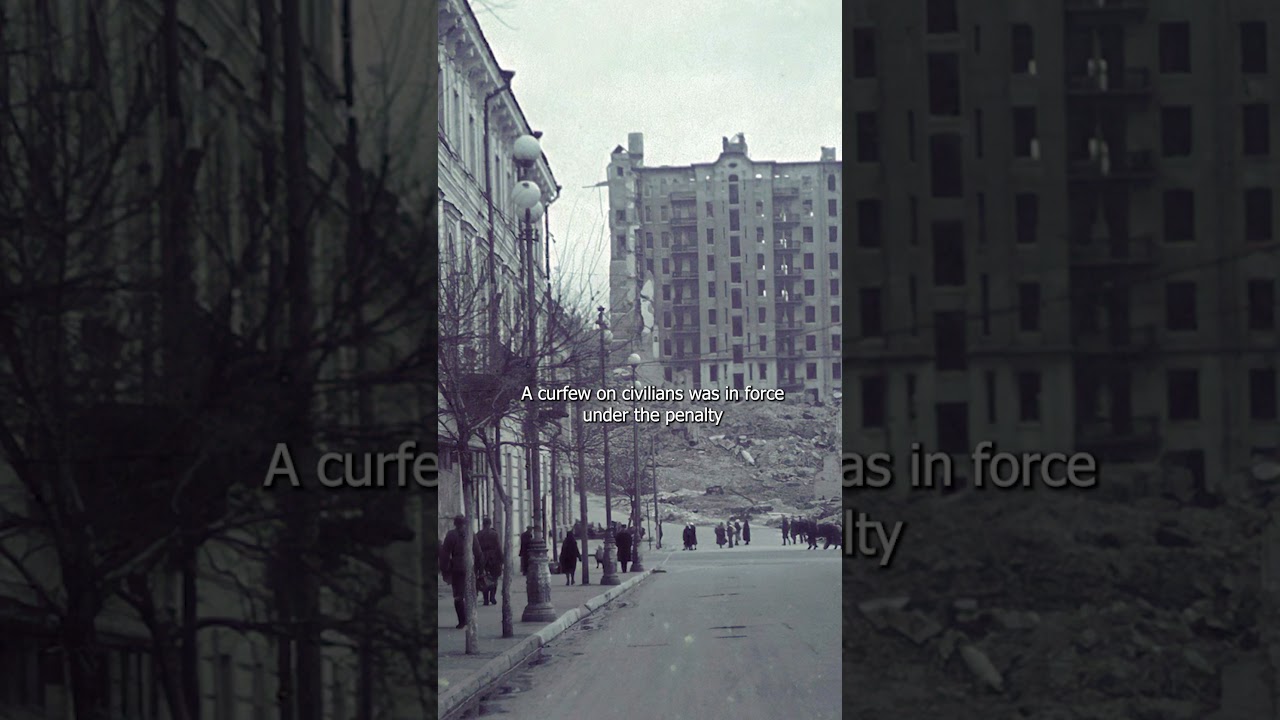
The city came under a strict occupation regime; a curfew on civilians was enforced, under the penalty of death, and universities and schools were shut down. Ukrainian youth over 15 years and adults under 60 years old were submitted to labor obligations.
But these strict rules we not the biggest problem the inhabitants of the Ukrainian capital faced. The biggest problem was the lack of the food as the Nazis prevented food from entering the city and much was confiscated.
In 1943 people in Kiev were fed only one third of the minimum they needed for subsistence. Already soon after the Germans had taken the city beggars appeared on the streets. Many people starved to death.
When Kiev was retaken by the Red Army in November 1943 out of the 850,000 pre-war population there were barely 300,000 people left. Many had been starved, were murdered or deported to the Reich.
Guests & Subjects Covered
Sentinel Indexing in Progress
Metadata and chapters are available. Claim extraction for this episode is pending.
All video content is delivered via YouTube embedded players in accordance with the YouTube Terms of Service. Sentinel provides research tools that promote discovery and accountability across political media.