
How Did FIFA Become Untouchable After Scandals?
June 9, 2026
6,825
216
51
3.91%
Search the Record
IndexedEvery word spoken in this episode is indexed. Type any phrase to jump straight to the moment it was said.
Type any word or phrase that may have been spoken. Click a result to seek the player to that exact moment.
Try a name, a topic, or a quoted line
History Uncensored Episodes Around June 9, 2026
See what was published immediately before and after this episode.


 29:21Now Playing
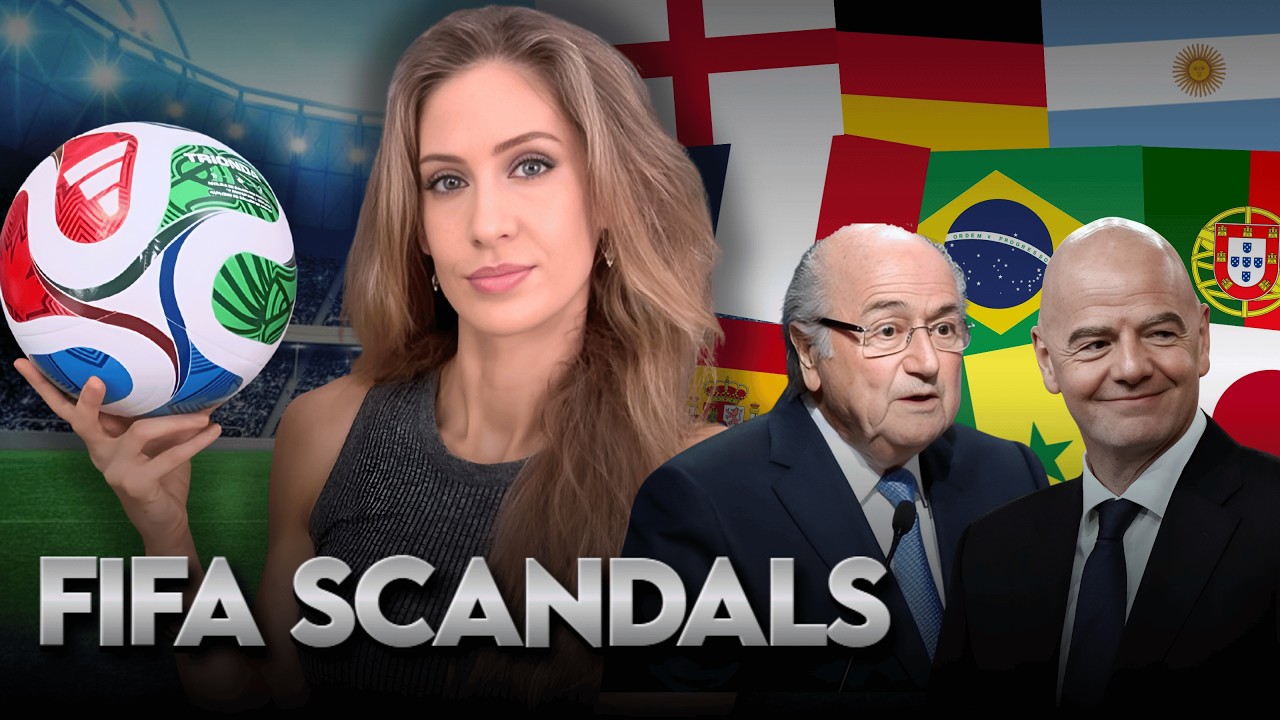
How Did FIFA Become Untouchable After Scandals?


YouTube Description
as posted by the channelRacketeering. Wire fraud. Money laundering.
Those are the charges that helped bring down some of the most powerful figures in world football. Not a crime syndicate, but FIFA — the organisation that governs the world's most popular sport.
With more member associations than the United Nations and an audience measured in billions, FIFA oversees the biggest sporting event on Earth: the World Cup. But alongside its global influence has come decades of controversy, from corruption scandals and bribery allegations to accusations of sportswashing and close relationships with authoritarian governments.
From Fascist Italy in 1934 to Argentina's military dictatorship in 1978, and more recently Russia 2018 and Qatar 2022, critics argue that World Cups have repeatedly been used to boost the international standing of powerful leaders and regimes.
So why does scandal never seem to stick? How has FIFA remained one of the most powerful institutions in global sport despite years of scrutiny?
Bianca Nobilo is joined by sports historian and former professional footballer Jules Boykoff, who examines the role of sportswashing, the commercialisation of the game, and the global influence of football's most powerful organisation.
Subscribe to stay up-to-date on all Uncensored content.
Follow History Uncensored on:
#history
Follow Bianca Nobilo on:
#worldcup #fifa #sports #corruption #scandal
Guests & Subjects Covered
Sentinel Indexing in Progress
Metadata and chapters are available. Claim extraction for this episode is pending.
All video content is delivered via YouTube embedded players in accordance with the YouTube Terms of Service. Sentinel provides research tools that promote discovery and accountability across political media.