Hook Global
@HookGlobal·917K subscribers·10.7K videos
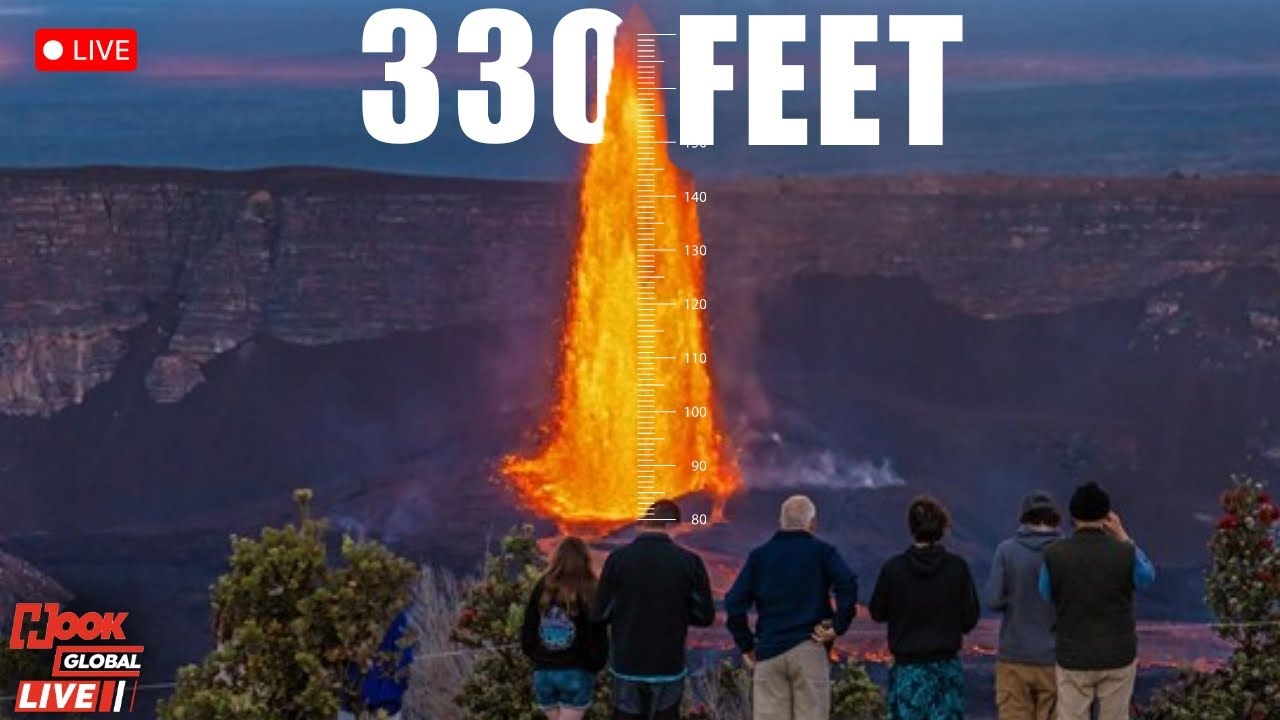
LIVE: Hawaii’s Kilauea Volcano erupts again with lava reaching more than 330 feet
Posted
June 12, 2025
Views
892
Likes
7
Engagement
0.78%
June 12, 2025
892
7
0.78%
Every word spoken in this episode is indexed. Type any phrase to jump straight to the moment it was said.
Type any word or phrase that may have been spoken. Click a result to seek the player to that exact moment.
Try a name, a topic, or a quoted line
See what was published immediately before and after this episode.
 6:39:35Now Playing
#breakingnews #breaking
Kilauea, one of the most active volcanoes on Earth, has experienced nearly continuous eruptions since 1983, making it a critical site for volcanic research and monitoring. Its frequent activity results in massive sulfur dioxide emissions—sometimes exceeding 100,000 metric tons per day—producing volcanic smog (vog) that severely impacts air quality, visibility, and human health in surrounding areas. The volcano’s eruptions also wreak havoc on local ecosystems, with lava flows, pyroclastic flows, and toxic gases devastating plant and animal life, often leading to starvation and habitat loss for both domesticated and wild species. Human health is similarly affected, as gases like sulfur dioxide, hydrogen chloride, and hydrogen fluoride contribute to respiratory issues, acid rain, and air pollution, prompting health advisories and even park closures.
Economically, Kilauea has had destructive consequences, such as the 2018 eruption that destroyed 716 homes, displaced about 3,000 residents, and caused over $236 million in public infrastructure damage, along with major losses in agriculture and tourism. Additionally, the volcano emits carbon dioxide and chlorine compounds that contribute to climate change and ozone layer depletion, influencing global atmospheric conditions. Despite these challenges, Kilauea is of immense geological and scientific value, providing crucial data on volcanic activity, gas emissions, and lava flow dynamics, which helps scientists improve eruption prediction and hazard assessment. Its eruptions also impact local communities and infrastructure, often necessitating evacuations, road closures, and utility disruptions, underlining the importance of disaster preparedness. At the same time, lava flows from Kilauea play a vital role in the formation of new land and reshaping of the Hawaiian Islands, contributing to natural island-building processes. Beyond its physical and scientific significance, Kilauea holds deep cultural meaning for Native Hawaiians and serves as a key educational and tourism site within Hawai'i Volcanoes National Park, helping to raise awareness about volcanic processes and natural hazards.
#kilaueavolcano #hawaiivolcano #VolcanicEruption #VolcanicHazards, #EnvironmentalImpact, #LavaFlow, #VolcanoResearch
---------------------------------------------------------------------------------------------------------------------------
For more videos, subscribe to our channel
Visit our website for more news
Follow Hook here:
Sentinel Indexing in Progress
Metadata and chapters are available. Claim extraction for this episode is pending.
All video content is delivered via YouTube embedded players in accordance with the YouTube Terms of Service. Sentinel provides research tools that promote discovery and accountability across political media.