Jamaica Politics Uncovered 2 0
@jpu876·57.7K subscribers·1.7K videos
LIVE: Andre Stephens Faces Jail Time For Malicious Communication| Melissa Protest| PNP's New Low
Posted
March 3, 2026
Views
31,161
Likes
1,742
Comments
91
March 3, 2026
31,161
1,742
91
5.88%
Every word spoken in this episode is indexed. Type any phrase to jump straight to the moment it was said.
Type any word or phrase that may have been spoken. Click a result to seek the player to that exact moment.
Try a name, a topic, or a quoted line
 1:36:00Now Playing
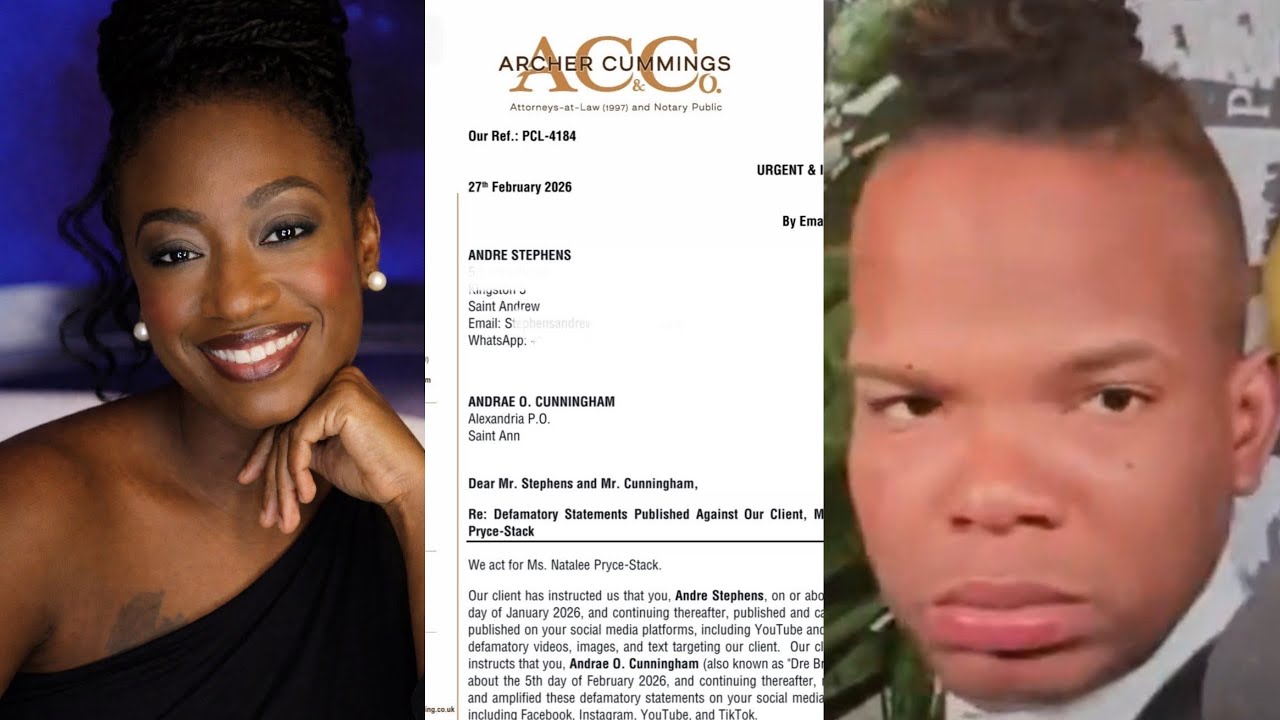
Andre Stephens is once again facing legal trouble — but this time the stakes are higher. Beyond a defamation lawsuit, he is facing potential criminal liability under Section 9 of Jamaica’s Cybercrimes Act for malicious communication. If proven (and it will be because he posted false information), the charge carries the possibility of fines and even imprisonment.
⸻
#AndreStephens #DefamationCase #CybercrimeAct #Section9 #JamaicaLaw #MaliciousCommunication #JCF #LegalNews #JamaicaPolitics #Accountability
⸻
What Section 9 of Jamaica’s Cybercrimes Act Says (Malicious Communication)
Section 9 of the Cybercrimes Act (2015) addresses the offence of malicious communication. In summary:
A person commits an offence if they knowingly use a computer or electronic communication to send or publish material that:
• Is grossly offensive, indecent, obscene, or menacing;
• Is false and sent for the purpose of causing annoyance, inconvenience, distress, or anxiety; or
• Is intended to harass, threaten, or cause harm to another person.
Penalties
If convicted under Section 9, the offender may face:
• A fine, and/or
• Imprisonment (which can extend to a term specified under the Act, depending on the severity and circumstances).
The law is designed to address cyberbullying, online harassment, reputational harm, and misuse of electronic communication platforms.
Sentinel Indexing in Progress
Metadata and chapters are available. Claim extraction for this episode is pending.
All video content is delivered via YouTube embedded players in accordance with the YouTube Terms of Service. Sentinel provides research tools that promote discovery and accountability across political media.