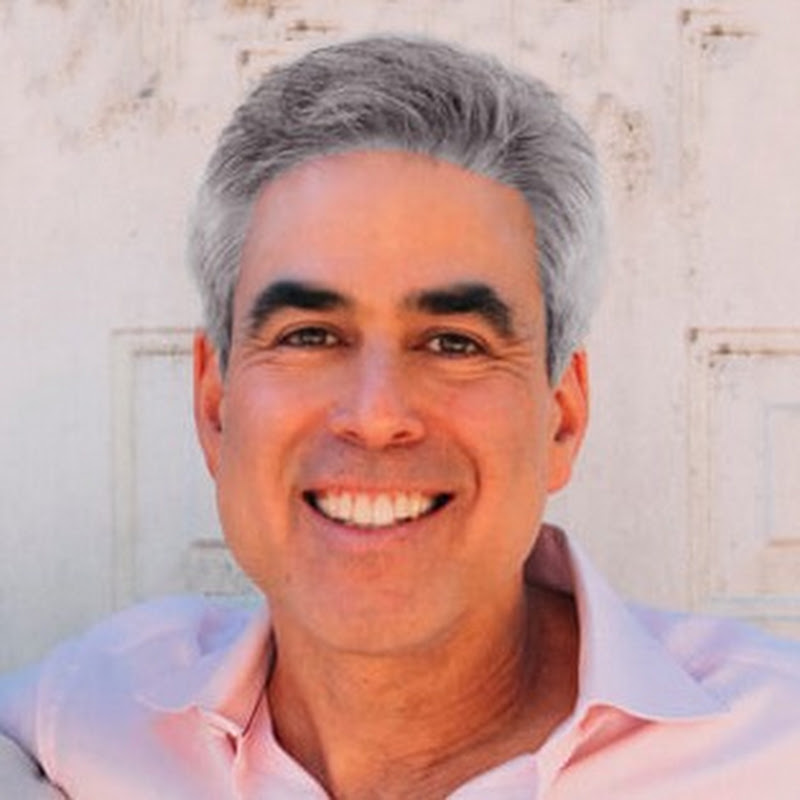
Has social media made our societies better? Author & social psychologist Jonathan HAIDT
December 1, 2022
482
21
4
5.19%
Search the Record
IndexedEvery word spoken in this episode is indexed. Type any phrase to jump straight to the moment it was said.
Type any word or phrase that may have been spoken. Click a result to seek the player to that exact moment.
Try a name, a topic, or a quoted line
Jonathan Haidt Episodes Around December 1, 2022
See what was published immediately before and after this episode.



 16:04Now Playing
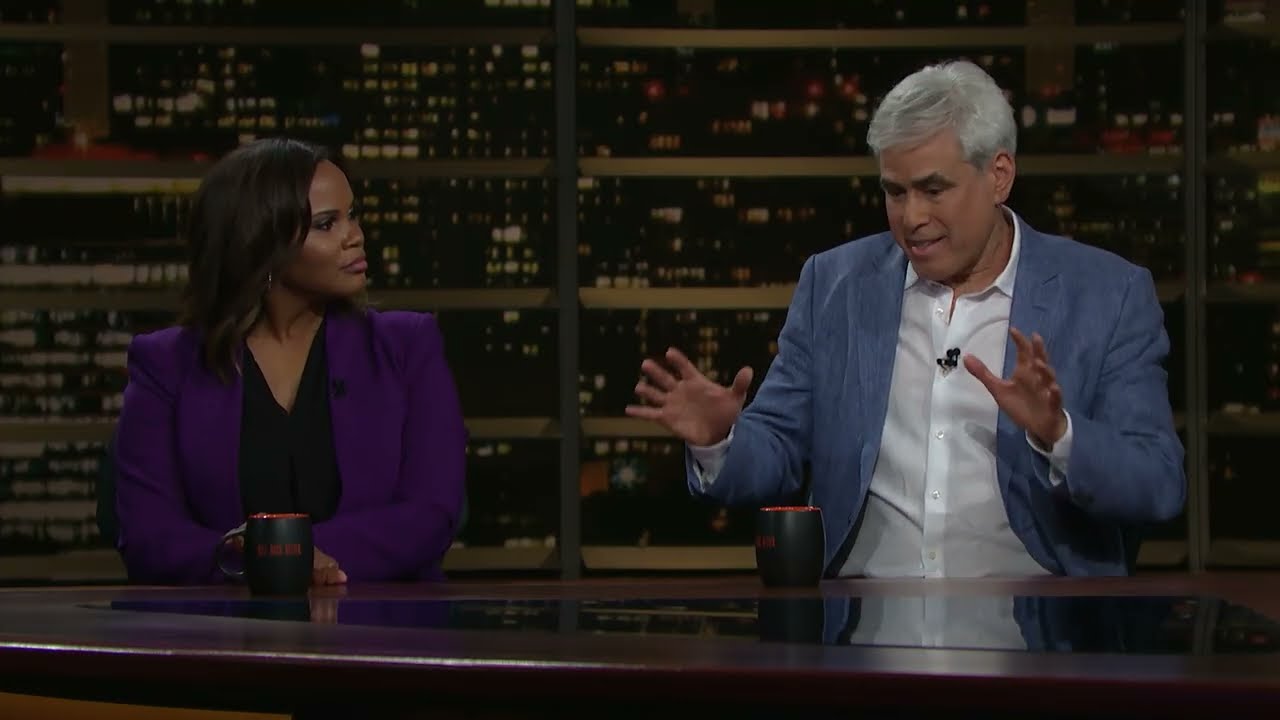
Has social media made our societies better? Author & social psychologist Jonathan HAIDT



YouTube Description
as posted by the channelSNS의 사회적 영향: 뉴욕대 사회심리학자 조너선 하이트
More people are spending time on social media than ever. We're pressured to build bigger networks, establish an online presence, and follow constant updates and what's trending. Whether you think that makes us more engaged or distracted, increases or disrupts real conversations or whether unfiltered radical opinions broaden or narrow our understanding and empathy towards others, what's undeniable is that there is less time and focus given to interactions in the real world.
We discuss various issues surrounding social media and its impact on society. We're honored to have Jonathan Haidt, a social psychologist at New York University's Stern School of Business whose best-selling books the Righteous Mind and the Happiness Hypothesis have created conversations and soul-searching on how we can get better at relating to others and become stronger as societies.
1. What’s been making headlines in recent days is Elon Musk and his takeover of Twitter. He uploaded a picture of a gun at his bedside table and wrote more posts about free speech and how the lack of it leads to tyranny and the end of civilization.
How should we understand the role of free speech in society?
2. Twitter and Facebook are owned by people who aren’t known for their moral leadership. But now, with more social interactions taking place on online platforms, especially the Metaverse. What kind of future are we looking at, and do we need some kind of intervention?
3. You mentioned a study that shows people who tend to be more hostile spend more time on social media. Such individuals show narcissism, sadism and Machiavellianism. What should we take away from these results as a society?
4. In many societies, there seems to be a growing culture of victimhood and blaming others or the system. Does this lead to meaningful societal change or is it more counterproductive?
5. The UK and Japan appointed Ministers of Loneliness to tackle social isolation, and this reminded me of your book The Happiness Hypothesis, which helped us understand how we need to work on our relationships with others and improve our mental hygiene. What do you think of having these ministers? What efforts are needed to address the psychological impact of social media?
6. There doesn’t seem to be any societal vision in our world where the word country is used synonymously with economy, and every year, we have a GDP growth target. What kind of goal should we have as a society?
Professor Jonathan HAIDT, thank you for your time.
#social_media #Jonathan_HAIDT #Arirang_News
📣 Homepage
2022-12-01, 09:30 (KST)
Links & Promotions
Guests & Subjects Covered
Sentinel Indexing in Progress
Metadata and chapters are available. Claim extraction for this episode is pending.
All video content is delivered via YouTube embedded players in accordance with the YouTube Terms of Service. Sentinel provides research tools that promote discovery and accountability across political media.