
Is our technology actually improving? | Byrne Hobart | Just Asking Questions, Ep. 55
December 26, 2024
1,636
63
15
4.77%
Search the Record
IndexedEvery word spoken in this episode is indexed. Type any phrase to jump straight to the moment it was said.
Type any word or phrase that may have been spoken. Click a result to seek the player to that exact moment.
Try a name, a topic, or a quoted line
Just Asking Questions Episodes Around December 26, 2024
See what was published immediately before and after this episode.




Chapters
YouTube Description
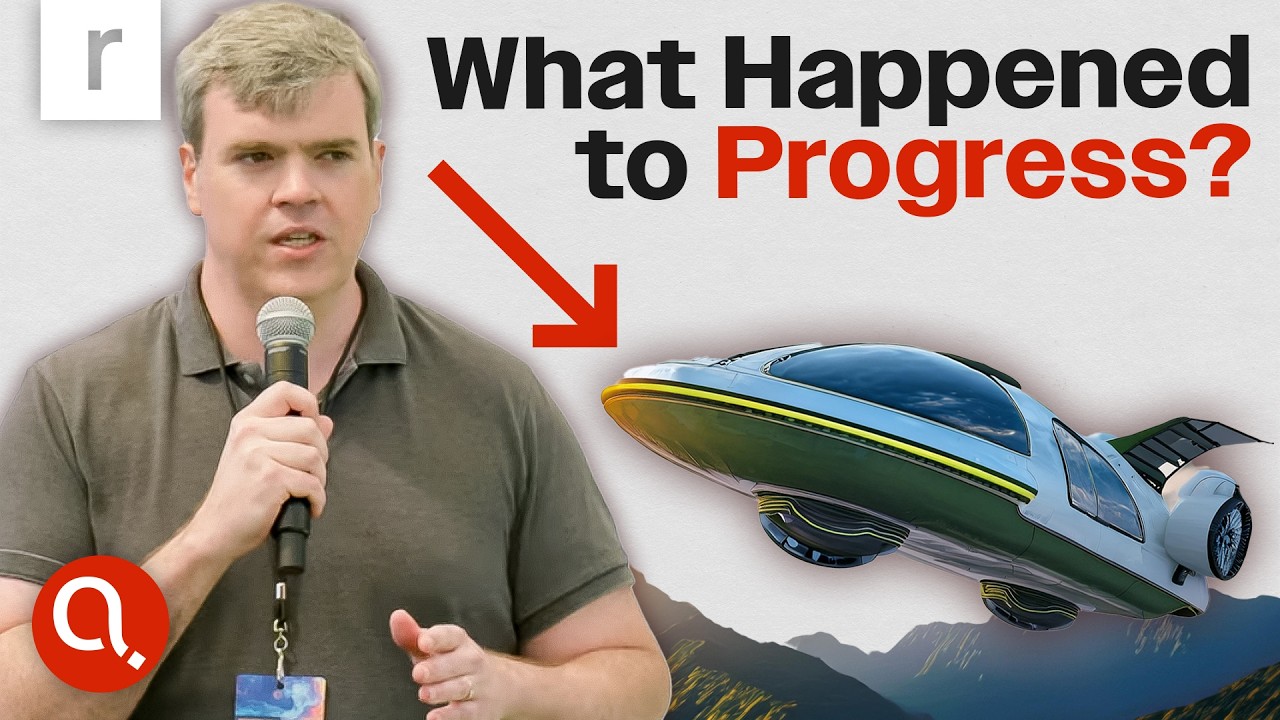
as posted by the channelFinance and tech writer Byrne Hobart discusses how bubbles as a good thing, overcoming stagnation, and the religiosity of space exploration.
Text and links to sources available here
How do we escape stagnation and accelerate progress? What if bubbles are actually good? Just asking questions.
"They promised us flying cars. All we got was one hundred forty characters." Those were the words of Peter Thiel over a decade ago, lamenting technological stagnation. The character limit has since increased, but his point remains the same: Innovation in the software world of "bits" has accelerated, but progress in the material world of "atoms" has been stubbornly slow, at least in his telling.
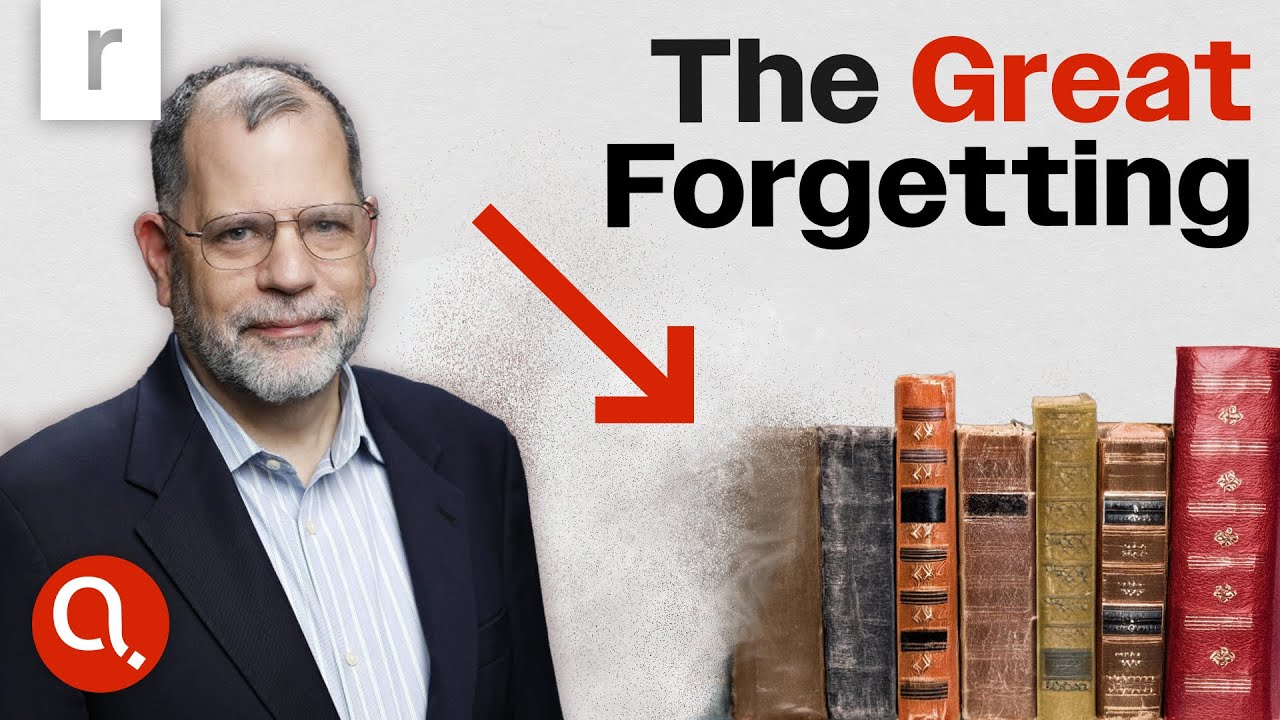
Economist Tyler Cowen, who popularized the term "Great Stagnation," argued that we picked all the low-hanging fruit in the early-to-mid 20th century thanks to cheap cultivation of unused land, mass education of a previously uneducated population, and revolutions in transportation, energy, and synthetic materials that could since be only marginally improved at increasingly greater expense and effort. The result has been stagnant wage growth when accounting for price inflation and a failure to realize any revolutionary breakthroughs in energy, transportation, or materials science for decades.
But today's guest says there's another underlying reason for the stagnation: a self-defeating cultural and spiritual malaise and pessimism about the future. It manifests itself in the dystopian movies and shows that dominate Hollywood, as well as in the falling prevalence of words associated with progress and the future, and a rise of words associated with caution, worry, and risk found in contemporary literature.
Byrne Hobart is the co-author of Boom: Bubbles and the End of Stagnation, which offers a surprising way out of stagnation: embracing the dynamic and chaotic power of bubbles—investment bubbles, big social bubbles, and filter bubbles. Examples range from big, ambitious public investments like the Apollo missions and the Manhattan Project to the rise of bitcoin.
Chapters
Guests & Subjects Covered
Sentinel Indexing in Progress
Metadata and chapters are available. Claim extraction for this episode is pending.
All video content is delivered via YouTube embedded players in accordance with the YouTube Terms of Service. Sentinel provides research tools that promote discovery and accountability across political media.