
Burner Phones, China Deals, and a Dangerous Turn for Canada
January 18, 2026
12,156
1,148
726
15.42%
Search the Record
IndexedEvery word spoken in this episode is indexed. Type any phrase to jump straight to the moment it was said.
Type any word or phrase that may have been spoken. Click a result to seek the player to that exact moment.
Try a name, a topic, or a quoted line
Kevin Klein Episodes Around January 18, 2026
See what was published immediately before and after this episode.

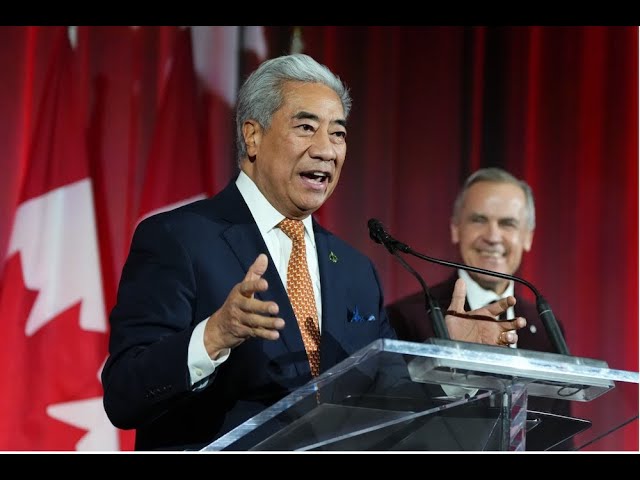


 1:02:17Now Playing
Burner Phones, China Deals, and a Dangerous Turn for Canada


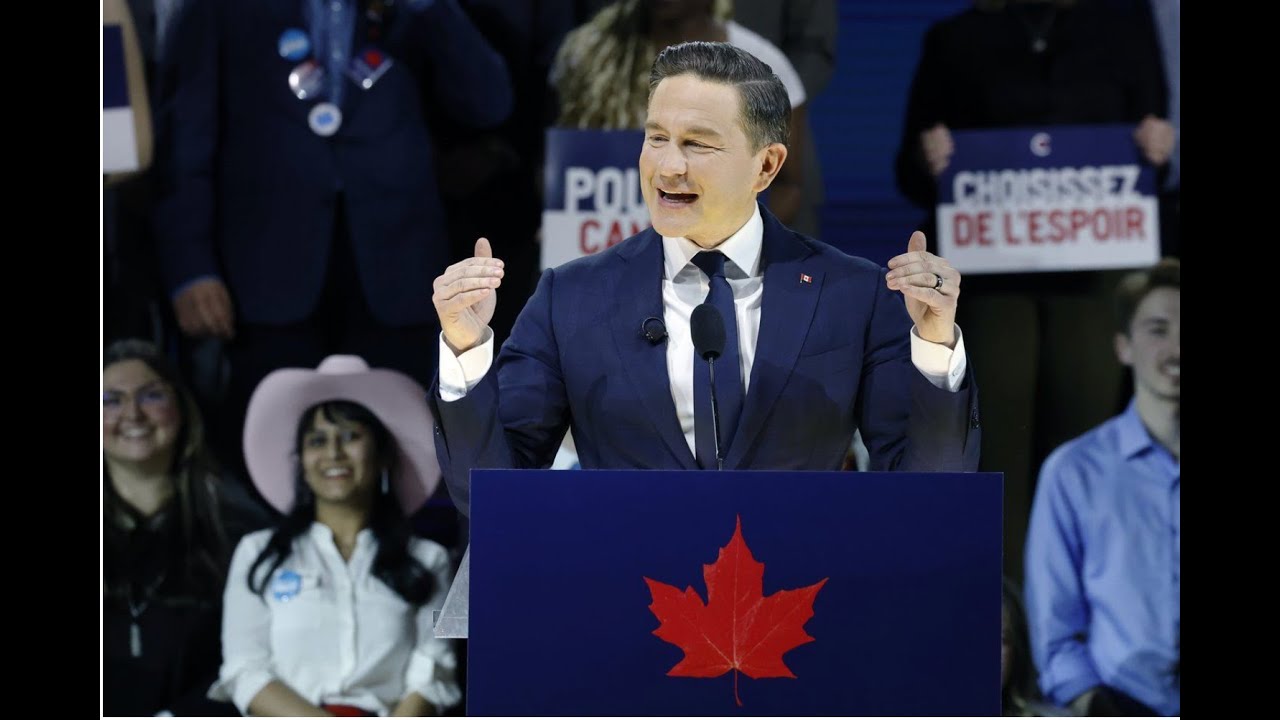

YouTube Description
as posted by the channelWinnipeg Sun columnist Kevin Klein didn’t waste time easing into this week’s episode of Inside Politics — he came in swinging, calling it “a roller coaster week in Canadian politics” and warning that Canada is sleepwalking into a dangerous moment where bad decisions are stacking up fast.
Joined by Sun columnist Lawrence Pinsky, KC and University of Manitoba political scientist Royce Koop, Klein tees up a blunt question that hangs over the entire episode: if Canada can’t stabilize its relationship with the United States, what exactly is the Plan B — and who are we really climbing into bed with?
That leads straight into the show’s biggest lightning rod: China. Klein describes being told that journalists travelling with the Prime Minister were advised to leave their phones at home and use burner phones — then asks the obvious question: if you need burner phones to enter a country, why are you rushing toward deeper partnership with it? Koop argues the optics are jarring after Ottawa previously described China as a major threat, while Pinsky warns the consequences could be immediate as Canada heads toward crucial trade and security decisions.
From there, the episode swings hard back to Manitoba — and this is where it gets personal. Klein challenges the Progressive Conservative leader’s handling of a controversy involving Patrick Allard, a party official who posted a provocative comment about ICE-style enforcement in Canada. Klein plays a clip of the leader previously promising he wouldn’t “pick who gets on the bus,” then asks: which version is real — the leader who promised openness, or the leader now handing out bans? The discussion turns into a broader argument about whether conservative parties win by chasing outrage headlines — or by staying disciplined and hammering governments on the basics: crime, borders, spending, and services.
Then Pinsky drops what he calls an “unbelievable” example of political messaging gone off the rails: an event poster circulating with NDP branding attached to language he argues hijacks tragedy and fuels division. The panel frames it as part of a larger problem: politicians behaving like activists, picking sides, and pushing identity-based narratives instead of fixing what’s breaking.
Klein ends by putting a blunt choice to viewers that is guaranteed to light up the comment section: If Canada has to lean harder on one superpower, do you pick the United States — or China? It’s not asked as a thought experiment. It’s asked as a warning.
If you want a polite panel, this isn’t it. If you want the arguments Canadians are having at their kitchen tables — it’s all here.
Guests & Subjects Covered
Sentinel Indexing in Progress
Metadata and chapters are available. Claim extraction for this episode is pending.
All video content is delivered via YouTube embedded players in accordance with the YouTube Terms of Service. Sentinel provides research tools that promote discovery and accountability across political media.