Modernizing the U.S. Sea-based Strategic Deterrent Force and the Need for 12 Columbia-class SSBNs
Posted
February 26, 2019
Views
2,040
Likes
29
Comments
1
Engagement
1.47%
February 26, 2019
2,040
29
1
1.47%
Every word spoken in this episode is indexed. Type any phrase to jump straight to the moment it was said.
Type any word or phrase that may have been spoken. Click a result to seek the player to that exact moment.
Try a name, a topic, or a quoted line
See what was published immediately before and after this episode.
 1:11:29Now Playing
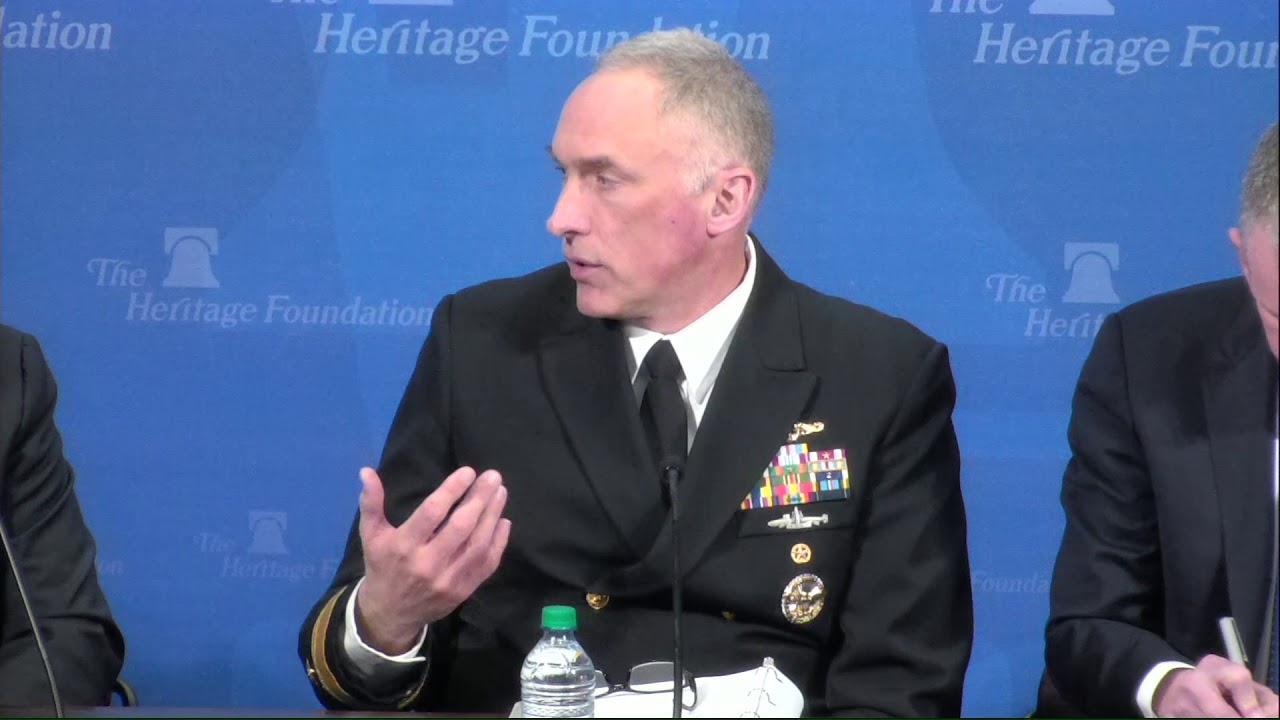
Since the first submarine strategic deterrent patrol by USS George Washington (SSBN-598) in 1960, U.S. nuclear ballistic missile submarines (or SSBNs) have provided the most survivable leg of the U.S. Strategic Nuclear Triad. U.S. SSBNs on patrol are virtually undetectable and hold adversary strategic targets constantly at risk. Today’s force of 14 Ohio-class SSBNs carry 70 percent of deployed U.S. strategic nuclear warheads, and when they retire after a 42-year service life, they will be the longest serving submarines in U.S. Naval history. The 12 planned Columbia-class submarines will provide an overdue modernization of the U.S. sea-based strategic deterrent force and will possess advanced stealth technologies to ensure they remain survivable against evolving threats into the 2080s. Strategic nuclear modernization critics have questioned the need to modernize the U.S. SSBN force and argued that a smaller number of Columbia-class SSBNs can provide a sufficient deterrent capability. Our panel of experts will explore the importance of a modern SSBN force on deterring adversaries and the impacts of reducing the number of U.S. SSBNs.
Sentinel Indexing in Progress
Metadata and chapters are available. Claim extraction for this episode is pending.
All video content is delivered via YouTube embedded players in accordance with the YouTube Terms of Service. Sentinel provides research tools that promote discovery and accountability across political media.