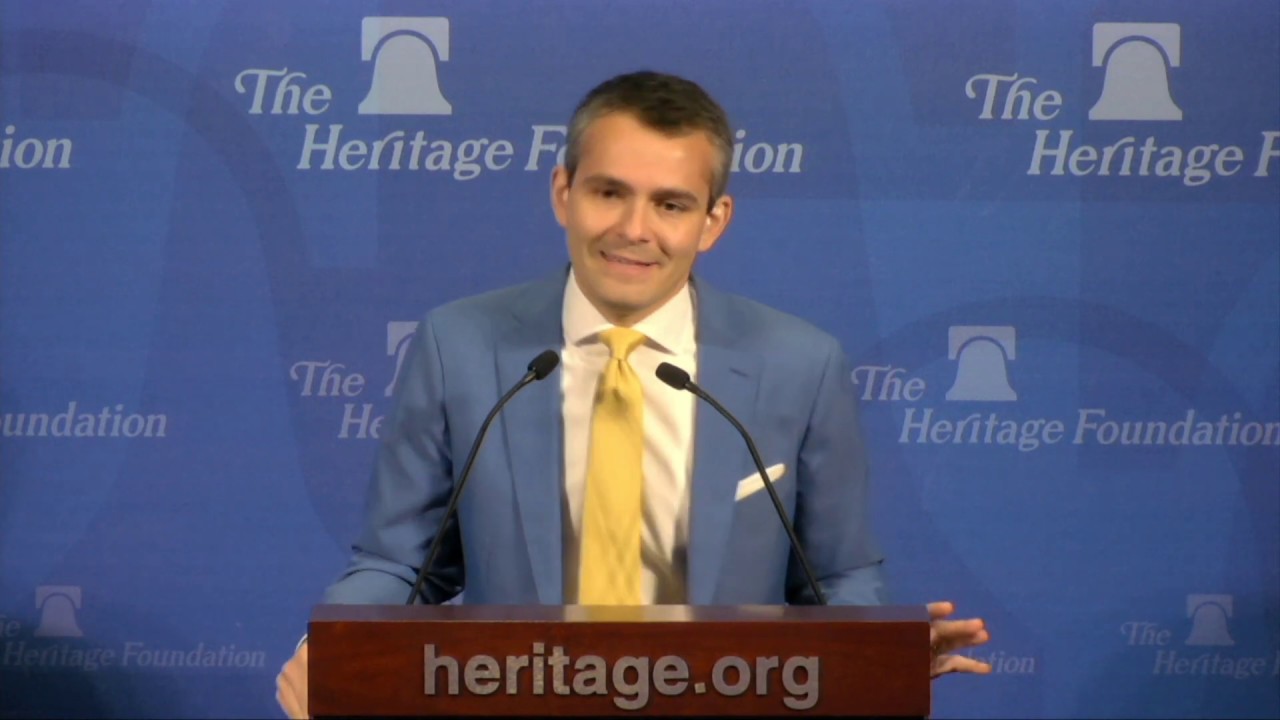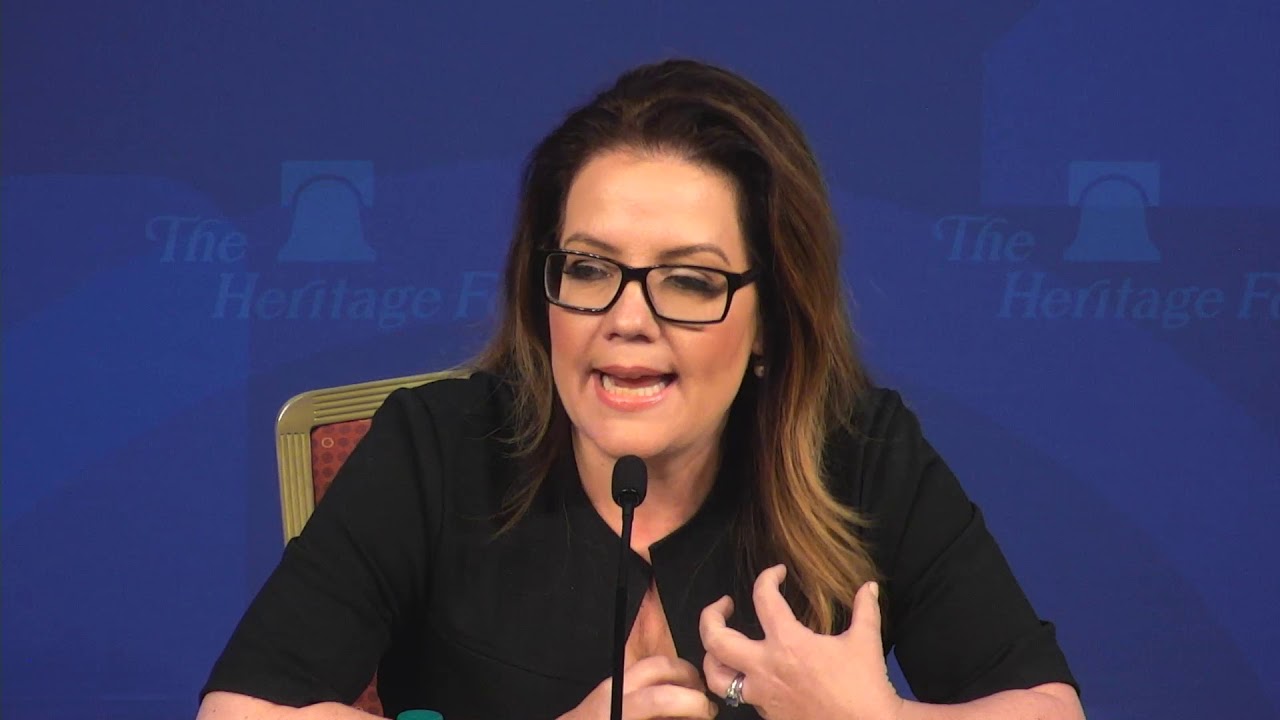
Assessing Asia’s Digital Future
Posted
July 24, 2019
Views
704
Likes
7
Engagement
0.99%
July 24, 2019
704
7
0.99%
Every word spoken in this episode is indexed. Type any phrase to jump straight to the moment it was said.
Type any word or phrase that may have been spoken. Click a result to seek the player to that exact moment.
Try a name, a topic, or a quoted line
See what was published immediately before and after this episode.
 1:11:52Now Playing
In recent years, the news has been awash in headlines about how e-commerce, data localization, and fifth generation wireless technology (5G) will reshape the digital landscape of the 21st century. In the U.S., the emergence of 5G has sparked a national conversation about the intersection between technology, economics, and national security. Already the U.S. government has taken steps to restrict access to America’s 5G networks for controversial Chinese tech giant Huawei. Numerous Indo-Pacific capitals, including many U.S. partners and allies, are now embroiled in their own contentious debates about the risks posed by Huawei and the appropriate measures to secure their digital futures. While it isn’t forcing countries to choose, the Trump administration has made clear that intelligence cooperation with U.S. partners could be impacted if it believes their digital infrastructure is compromised by foreign actors. Meanwhile, other regional partners, including India, are considering new data localization policies that could force technology firms to store their data in-country. The Trump administration argues such policies are protectionist in nature and would threaten the free flow of information, raise costs, and disrupt services, potentially resulting in new trade battles and barriers to commerce.
Sentinel Indexing in Progress
Metadata and chapters are available. Claim extraction for this episode is pending.
All video content is delivered via YouTube embedded players in accordance with the YouTube Terms of Service. Sentinel provides research tools that promote discovery and accountability across political media.