The Heritage Foundation Introduces: The Not-So-Great Society
Posted
October 21, 2019
Views
1,217
Likes
24
Comments
2
Engagement
2.14%
October 21, 2019
1,217
24
2
2.14%
Every word spoken in this episode is indexed. Type any phrase to jump straight to the moment it was said.
Type any word or phrase that may have been spoken. Click a result to seek the player to that exact moment.
Try a name, a topic, or a quoted line
See what was published immediately before and after this episode.
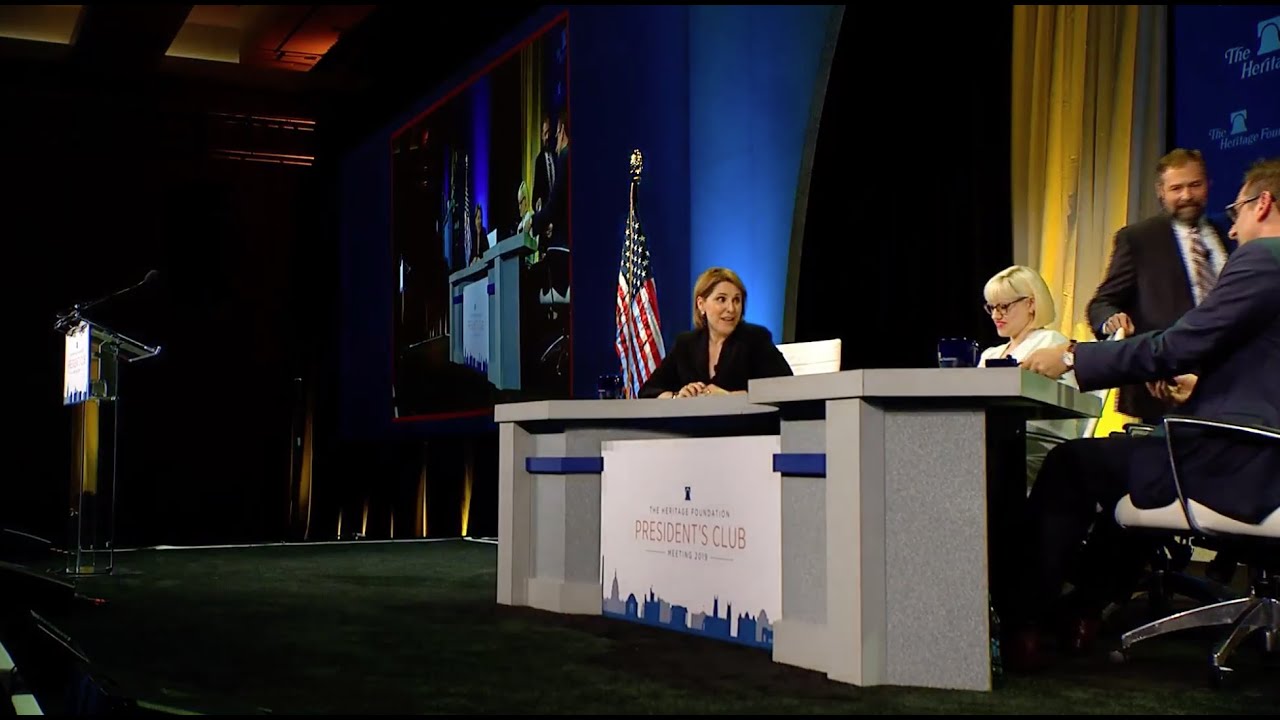 47:24Now Playing
Why is the American education system failing to improve when so many other sectors have seen tremendous increases in productivity over the past half-century?
As with any complex system, there are numerous contributing factors, but perhaps the most salient among these is the structure of the public education system itself.
In 1964, President Lyndon B. Johnson announced his “Great Society” proposal.
When the President told the American people that they must accept “greater government activity in the affairs of the people,” little did they know how destructive a bargain they were making.
The Great Society’s “War on Poverty” began a massive infusion of federal tax dollars and involvement into pre-K and K–12 education. It also created new taxpayer-underwritten student loans and grants for the general public to attend college. Since then, federal taxpayers have spent $2 trillion on K–12 education alone—to say nothing of the billions spent annually on student loans and grants.
Sentinel Indexing in Progress
Metadata and chapters are available. Claim extraction for this episode is pending.
All video content is delivered via YouTube embedded players in accordance with the YouTube Terms of Service. Sentinel provides research tools that promote discovery and accountability across political media.