Lbc
@lbcofficial·1.5M subscribers·17.3K videos
The weird far-right content being shown to young boys on TikTok
Posted
September 8, 2025
Views
64,785
Likes
1,659
Comments
706
Engagement
3.65%
September 8, 2025
64,785
1,659
706
3.65%
Every word spoken in this episode is indexed. Type any phrase to jump straight to the moment it was said.
Type any word or phrase that may have been spoken. Click a result to seek the player to that exact moment.
Try a name, a topic, or a quoted line
 6:20Now Playing
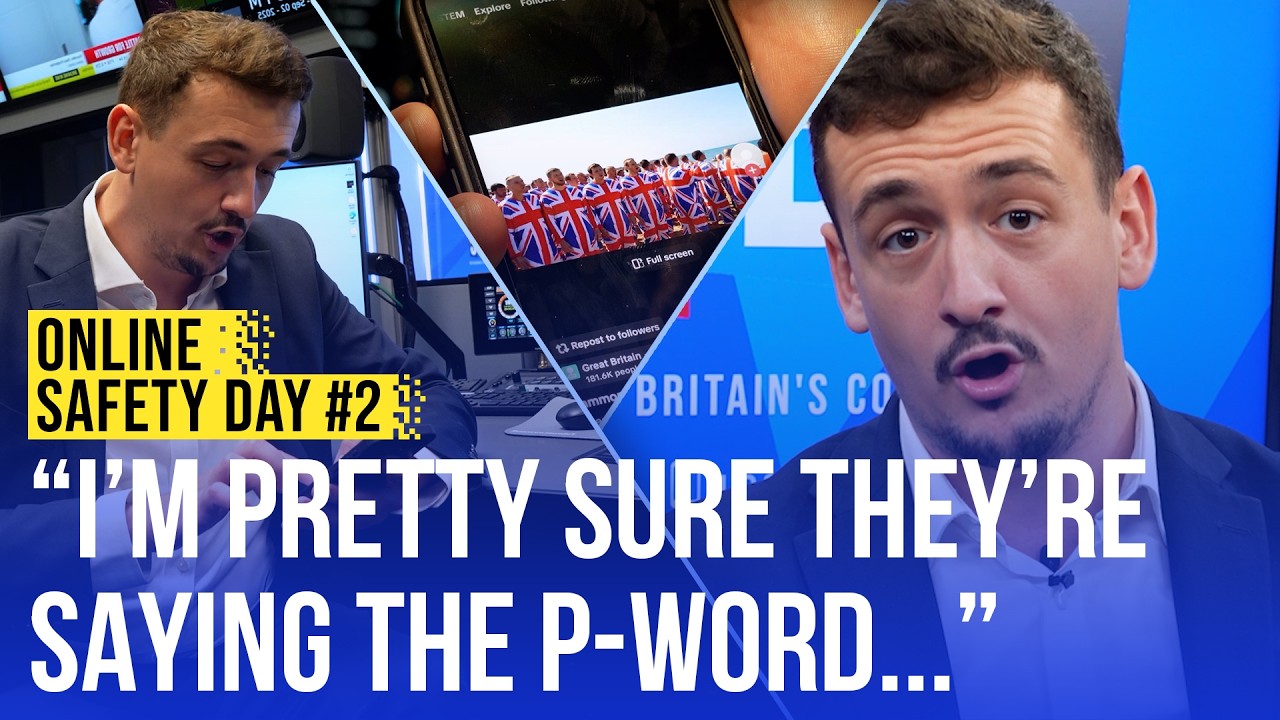
For Online Safety Day, LBC's Henry Riley investigated the sort of content being fed to children on TikTok. Here's what he found:
Back in March, I was horrified by some of the content we were being served – as a 13-year-old girl.
From content linked to depression, escalating to self-harm and eventually suicide, I couldn’t believe this content would be shown to a 13-year-old.
Fast forward six months, and the intense debate surrounding the measures and implications of the Online Safety Act has been ubiquitous in public discourse.
In that time, children’s safety on social media has dominated forums, debates and opinion polls – you’d expect, given the clamour to improve a dire situation, that things would have hopefully improved?
Alas, not really.
I set up my account as a 13-year-old boy, using an AI-generated image and a generic username created by ChatGPT.
We decided not to ‘like’ or specifically search for videos, instead we would just watch some of the content we were served, and I clicked on the odd-hashtag of a video that came up on my ‘For You’ page.
It all started fairly well. Videos of sunsets, funny grandparent videos and content creators of similar ages with videos about dreading going back to school. Dare I say it was quite entertaining scrolling through cat videos and lads on holiday thinking they’d seen sharks.
But it was incredible how quickly that changed. The next day, within minutes of swiping, I was inundated with far-right content. AI-generated videos of people shouting ‘go home’ at dinghy’s, chants of Keir Starmer’s a w*****, and a general sense of nastiness began to creep into my algorithm.
At one point, I was met with a video of migrants on a small boat singing the much-cited Jet2 holiday advert, but with the racial slur of the p-word.
The next day, it changed to neo-nazi groups and famous fascists, as well as sexualised and misogynistic content.
This continued over days and completely dominated my feed. I couldn’t escape divisive, racist and offensive content. Much of which I can’t actually describe on here.
Videos of similarly aged girls mocking 13-year-old boys were commonplace, along with excessive gym content, and how to ‘flirt’ with girls of the same age.
Every day, I was hit with a warning that I’d been on TikTok too long… hoping that this would force me away from doom scrolling, it merely meant that I had to – at one point – input the code ‘1234’ to continue scrolling.
Next to no safeguards.
I was exposed to leading neo-nazis, fascists, given dates for far-right marches, it was impossible to escape and deeply disturbing.
I don’t know the codes of practice by which TikTok abide, and I’m not necessarily here to cast aspersions.
Just ask yourself: Is this the sort of content a 13-year-old should be seeing?
____________________
Henry Riley is a reporter and presenter for LBC.
LBC Opinion provides a platform for diverse opinions on current affairs and matters of public interest.
The views expressed are those of the authors and do not necessarily reflect the official LBC position.
To contact us email opinion@lbc.co.uk
Listen to the full show on the allnew LBC App
#henryriley #onlinesafety #LBC
LBC is the home of live debate around news and current affairs in the UK.
Join in the conversation and listen at
Sign up to LBC’s weekly newsletter here
Sentinel Indexing in Progress
Metadata and chapters are available. Claim extraction for this episode is pending.
All video content is delivered via YouTube embedded players in accordance with the YouTube Terms of Service. Sentinel provides research tools that promote discovery and accountability across political media.