Liberal Lens
@liberallens·126K subscribers·2K videos
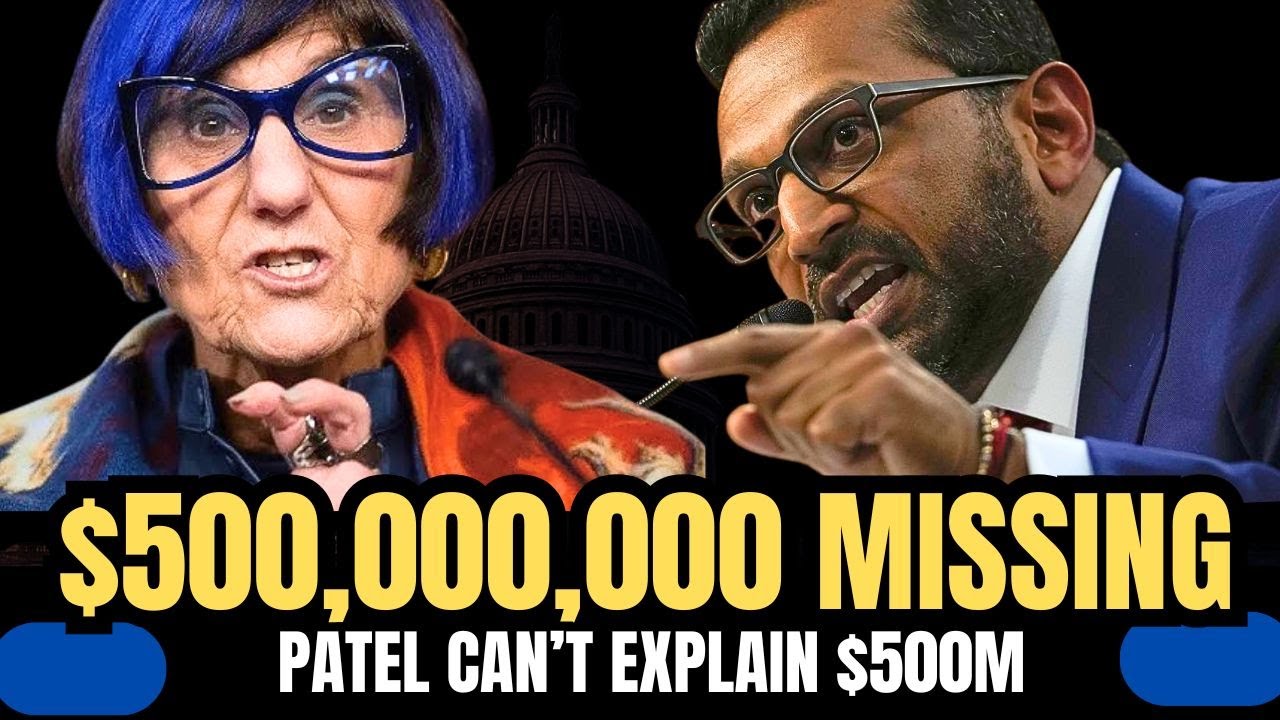
Schiff Explodes on Patel in Epstein Hearing Clash
Posted
September 22, 2025
Views
38,362
Likes
576
Comments
146
Engagement
1.88%
September 22, 2025
38,362
576
146
1.88%
Every word spoken in this episode is indexed. Type any phrase to jump straight to the moment it was said.
Type any word or phrase that may have been spoken. Click a result to seek the player to that exact moment.
Try a name, a topic, or a quoted line
 11:51Now Playing
Adam Schiff forces a tense showdown with FBI Director Kash Patel as he demands clarity about the Epstein materials — the so-called “black book,” witness interviews, and why so much remains sealed. In this video we break down the exchange, explain what Patel said (and didn’t say), and walk through the real legal and practical reasons some Epstein materials can — and can’t — be publicly released.
You’ll learn:
• The difference between grand jury testimony, search-warrant materials, and witness statements, and why courts sometimes limit public release.
• What “protective orders” and Rule 6(e) mean in practice — and how they affect congressional oversight.
• Why victims’ access to files matters, and the steps Congress can take to push for greater disclosure without harming ongoing investigations.
• How to read testimony: what a director can say under oath and where transparency hits legal limits.
This is more than headline drama — it’s about accountability, victims’ rights, and how oversight works (or doesn’t) when national security and sealed court orders are invoked. Watch closely, then tell us: should Congress push harder to get full access, or do the legal limits Patel cites make releasing everything impossible?
If you found this useful, hit Like, Subscribe, and ring the bell for more oversight breakdowns. Share your thoughts below — what would you want Congress to demand next?
#EpsteinFiles #AdamSchiff #KashPatel
Sentinel Indexing in Progress
Metadata and chapters are available. Claim extraction for this episode is pending.
All video content is delivered via YouTube embedded players in accordance with the YouTube Terms of Service. Sentinel provides research tools that promote discovery and accountability across political media.