Lionel Nation
@lionelnation·410K subscribers·7.3K videos
How and Why America Has Gone Full R*tard Over These Two Very Simple Cases
Posted
August 28, 2026
Views
22,652
Likes
1,284
Comments
144
Engagement
August 28, 2026
22,652
1,284
144
6.30%
Every word spoken in this episode is indexed. Type any phrase to jump straight to the moment it was said.
Type any word or phrase that may have been spoken. Click a result to seek the player to that exact moment.
Try a name, a topic, or a quoted line
 1:26:08Now Playing
Follow LIONEL on X
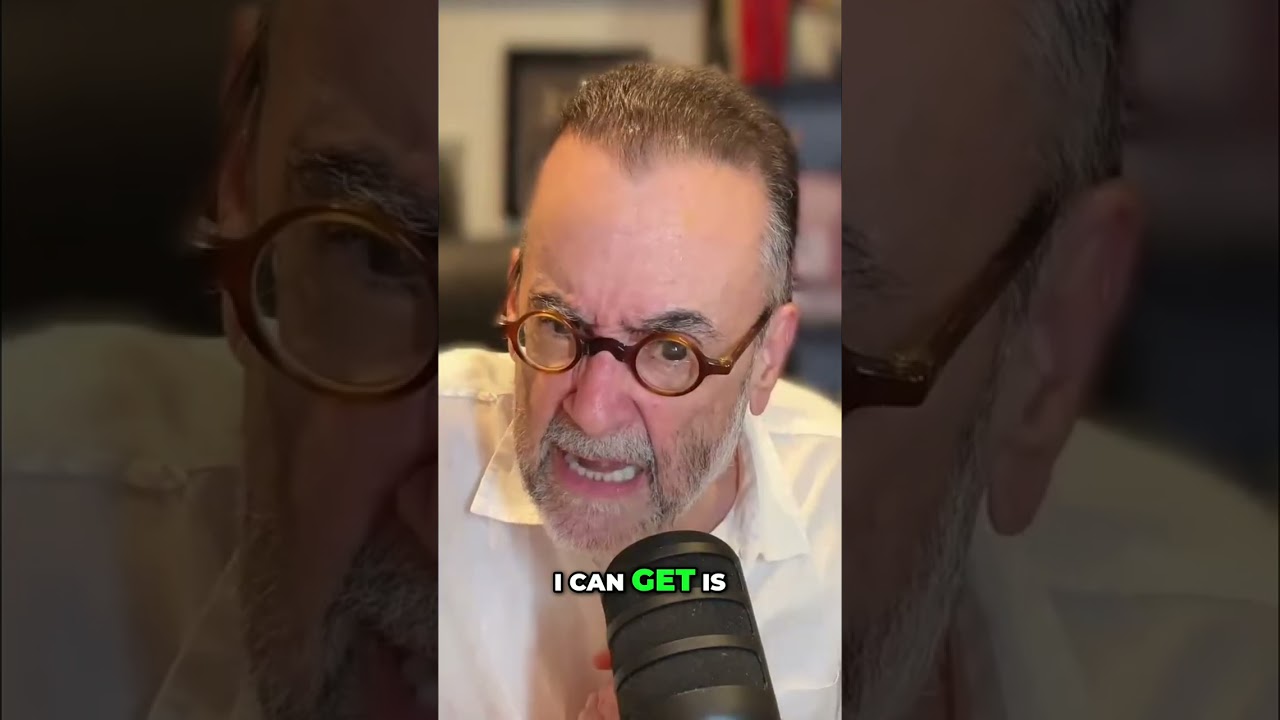
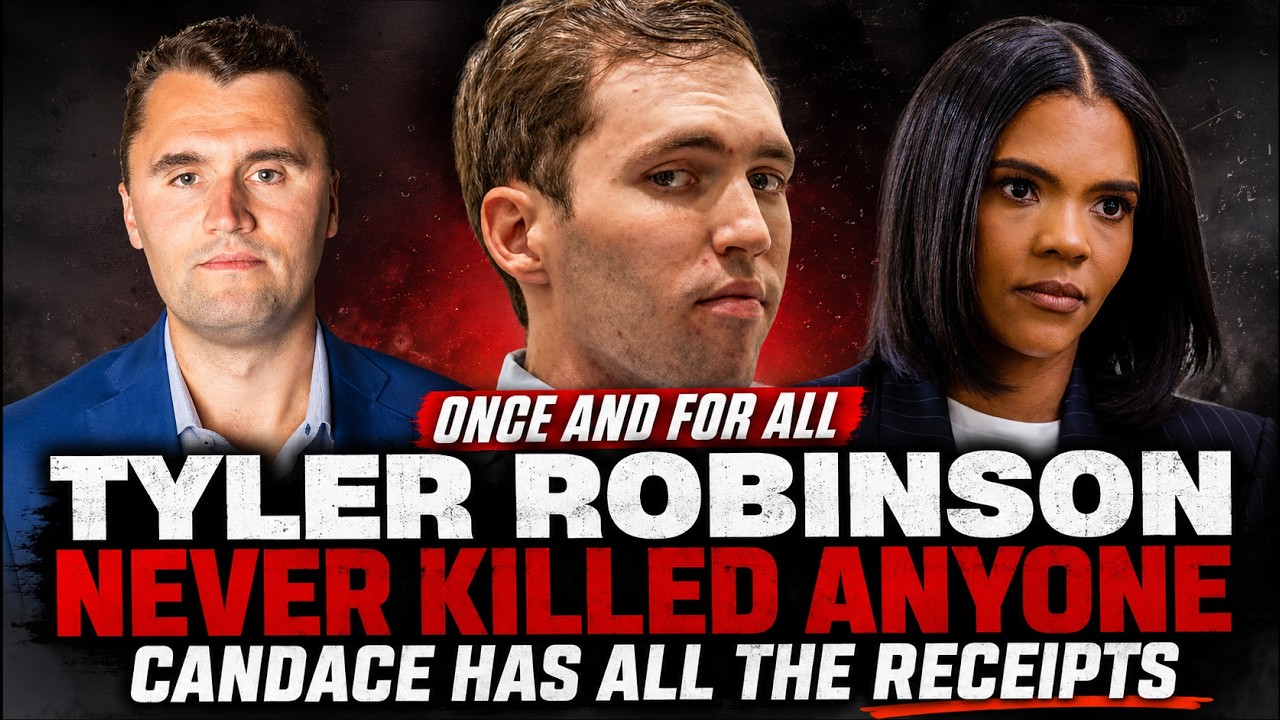
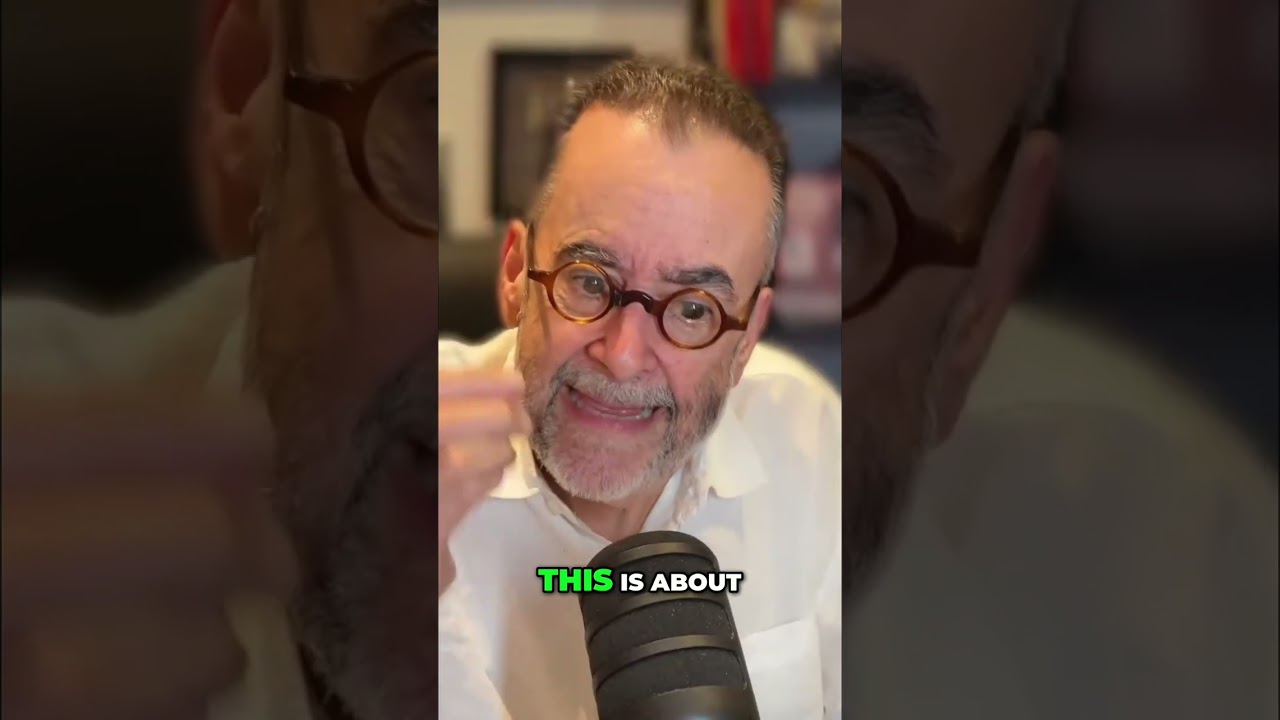
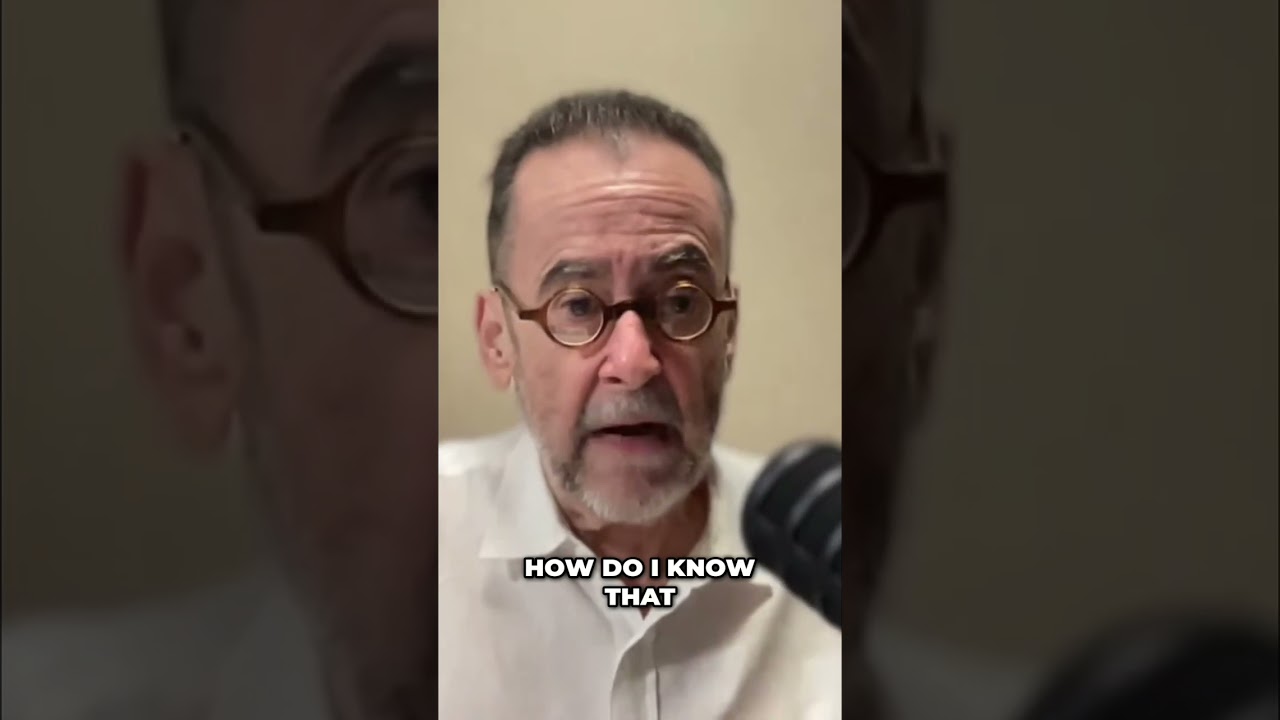
From the beginning, I have been amazed by how difficult it has been for so many people to understand the remarkably simple burdens that govern the Tyler Robinson and Lindsay Clancy cases. These are very different prosecutions involving very different facts, defenses and legal questions, yet both have become buried beneath emotion, tribal loyalty, media narratives, internet personalities and endless speculation.
In Tyler Robinson’s case, the central question is ultimately evidentiary. The prosecution must prove the charged crimes beyond a reasonable doubt at trial. That means proving identity, conduct and every required element with admissible evidence. Suspicion is not proof. A compelling narrative is not proof. A press conference is not proof. And believing that prosecutors probably have evidence somewhere is certainly not proof. Earlier proceedings may involve lower legal thresholds, but those thresholds should never be confused with the burden required for conviction.
Lindsay Clancy presents an entirely different problem. The question is not simply whether she was mentally ill, medicated, psychotic or receiving inadequate psychiatric care. Massachusetts criminal-responsibility law asks whether, because of mental disease or defect, she lacked substantial capacity to appreciate the criminality or wrongfulness of her conduct or to conform her conduct to the requirements of law. Once properly raised, criminal responsibility becomes something the Commonwealth must establish beyond a reasonable doubt.
So why does everyone make this so complicated?
Because complexity creates television. Outrage creates clicks. Personalities create teams. And emotional arguments are much easier to sell than jury instructions.
In this discussion, I explain how two profoundly different cases became distorted by the same cultural problem. We increasingly substitute feelings for elements, narratives for evidence and commentators for courts. Strip away the personalities, hashtags and melodrama and the fundamental questions become surprisingly straightforward.
The law may be complicated around the edges. The burdens are not.
▶ SUBSCRIBE to the LIONEL NATION Newsletter.
◉ HOW TO SUPPORT LIONEL NATION
=================================================================================
■Buy Me A Coffee
■Bitcoin: 36RgnUMJ4ARaAfkmwjC97DxcYawb3QKiak
■Dogecoin: DLxwsuYXrHcS66qKXHxZScv94RzeiSxTwc
■Ethereum: 0x0BEA4ed75384872fF418934Fc155FdC6d59C263d
■Litecoin: MFhmPMTg7hcnT8SAoWb7dFLWeZWWhhn7Zz
◉ CONTACTS & SOURCES
=================================================================================
■ Listen to Lionel on ANOTHER SIDE OF MIDNIGHT 770 WABC SAT/SUN 25 AM ET
■The Lionel Media Website →
■Follow Lionel on X/Twitter →
■Follow Lionel on TikTok →
■Lionel Nation on GETTR →
■Lionel Nation on Truth Social →
■Lionel Legal YouTube Channel →
■Subscribe to the LionelNation Private Channel Videos →
■Subscribe to the LionelNation Newsletter →
■Email Lionel → info@lionelmedia.com
■Linktree →
■Lionel Nation on Spotify →
■Lionel Nation on iTunes →
Sentinel Indexing in Progress
Metadata and chapters are available. Claim extraction for this episode is pending.
All video content is delivered via YouTube embedded players in accordance with the YouTube Terms of Service. Sentinel provides research tools that promote discovery and accountability across political media.