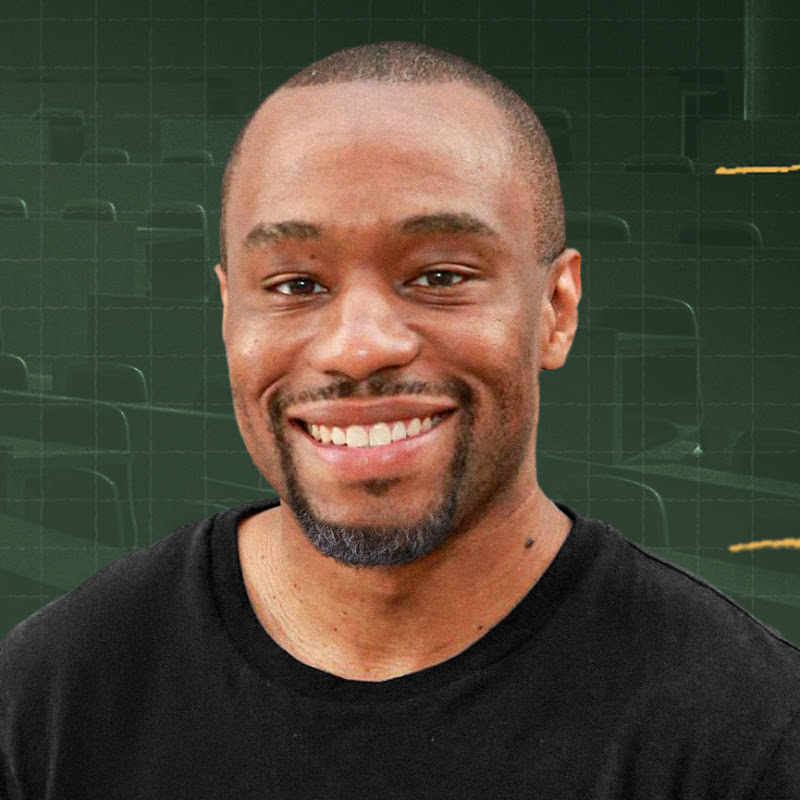
Marc Lamont Hill
@marclamonthillnetwork·234K subscribers·2.8K videos
Marc Lamont Hill BLASTS Trump for Backing White South Africans While Ignoring Black Struggles!!!
Posted
February 21, 2025
Views
4,968
Likes
185
Comments
97
Engagement
February 21, 2025
4,968
185
97
5.68%
Every word spoken in this episode is indexed. Type any phrase to jump straight to the moment it was said.
Type any word or phrase that may have been spoken. Click a result to seek the player to that exact moment.
Try a name, a topic, or a quoted line
 28:16Now Playing
Donald Trump just froze $440 million in U.S. aid to South Africa—claiming discrimination against white landowners. At the same time, he’s offering refugee status to white South Africans, all while Black South Africans still suffer from economic injustice decades after apartheid. Meanwhile, Elon Musk—son of apartheid—backs Trump’s move, using his influence to push his own business interests. But Musk isn’t just reacting—he’s orchestrating a larger strategy of confusion and manipulation.
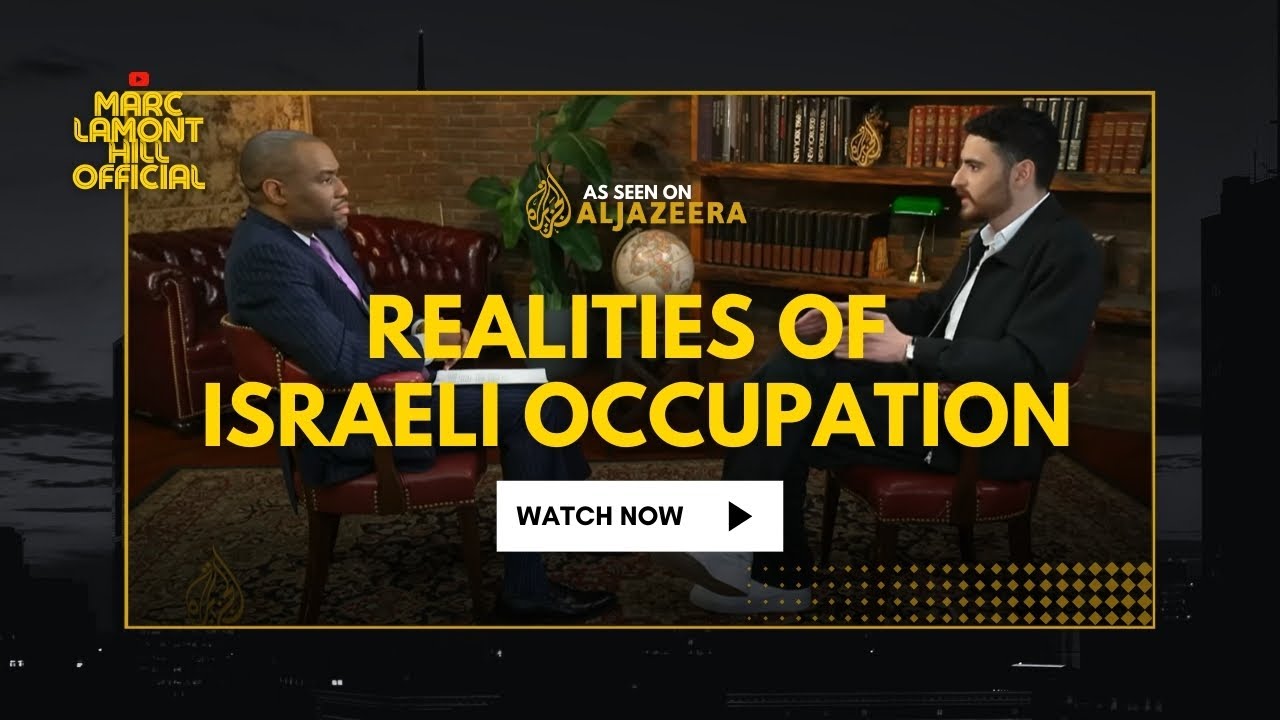
In this excerpt from the latest NIGHT SCHOOL episode, Marc Lamont Hill sits down with The Guardian journalist Chris McGreal to break it all down. McGreal, who has covered South Africa and the U.S. extensively, exposes the deeper motives behind Trump’s decision, Musk’s business agenda, and the ongoing struggle for real justice in post-apartheid South Africa.
McGreal explains how Musk is distorting reality—linking farm killings, affirmative action, and Black empowerment policies to paint South Africa as a 'Black racist government' oppressing white people. This convoluted logic serves to create chaos and pressure the South African government, a tactic that mirrors Musk’s broader playbook in the U.S., where he has infiltrated federal agencies, sowing confusion and fear to destabilize opposition.
The conversation also delves into the "PayPal Mafia"—a network of tech billionaires with ties to apartheid South Africa, including Musk, Peter Thiel, David Sacks, and Rolf Boerter. With their combined wealth and influence, these figures are not only funding Trump but also actively shaping a new era of billionaire-driven governance.
McGreal highlights Musk’s upbringing in a wealthy South African family with deep ties to apartheid. His grandparents, described by his own father as neo-Nazis, moved to South Africa in the 1950s, attracted by the apartheid system. Musk attended a segregated school in Johannesburg during the height of anti-apartheid resistance, experiencing the privilege of white South Africans while Black South Africans faced brutal oppression. Meanwhile, Peter Thiel’s childhood in Namibia—then under South African rule—immersed him in a world where Nazi ideology was still openly celebrated.
The discussion also raises concerns about Musk’s growing political influence in the U.S. His direct involvement in federal agencies, unchecked by democratic norms, mirrors past technocratic movements that sought to replace elected governments with business elites. Could this mark the rise of a new, overt form of billionaire-led governance? And how long can Musk and Trump’s alliance last before their egos and ambitions collide?
🔗 Watch now for a deep dive into the real story behind Trump and Musk’s latest moves. The FULL episode is available under the NIGHT SCHOOL playlist on Marc Lamont Hill's Official YouTube Channel.
Like, comment, share, SUBSCRIBE, and JOIN the MLH Membership Program for more engaging discussions
Stream NIGHT SCHOOL with Marc Lamont Hill live Monday-Friday at 9pm EST. Join Marc Lamont Hill's OFFICE HOURS live on Sundays at 9pm EST.
Stay connected with Marc Lamont Hill:
👉🏾 X (Twitter)
👉🏾 TikTok
#MarcLamontHill #DonaldTrump #SouthAfrica #ElonMusk #WhiteSupremacy #Apartheid #BlackEmpowerment #Afrikaners #Politics #Africa #BlackLiberation #TechBillionaires #PayPalMafia #NightSchool #officehours #mlh
Sentinel Indexing in Progress
Metadata and chapters are available. Claim extraction for this episode is pending.
All video content is delivered via YouTube embedded players in accordance with the YouTube Terms of Service. Sentinel provides research tools that promote discovery and accountability across political media.