Matt Beat
@iammrbeat·1.4M subscribers·960 videos
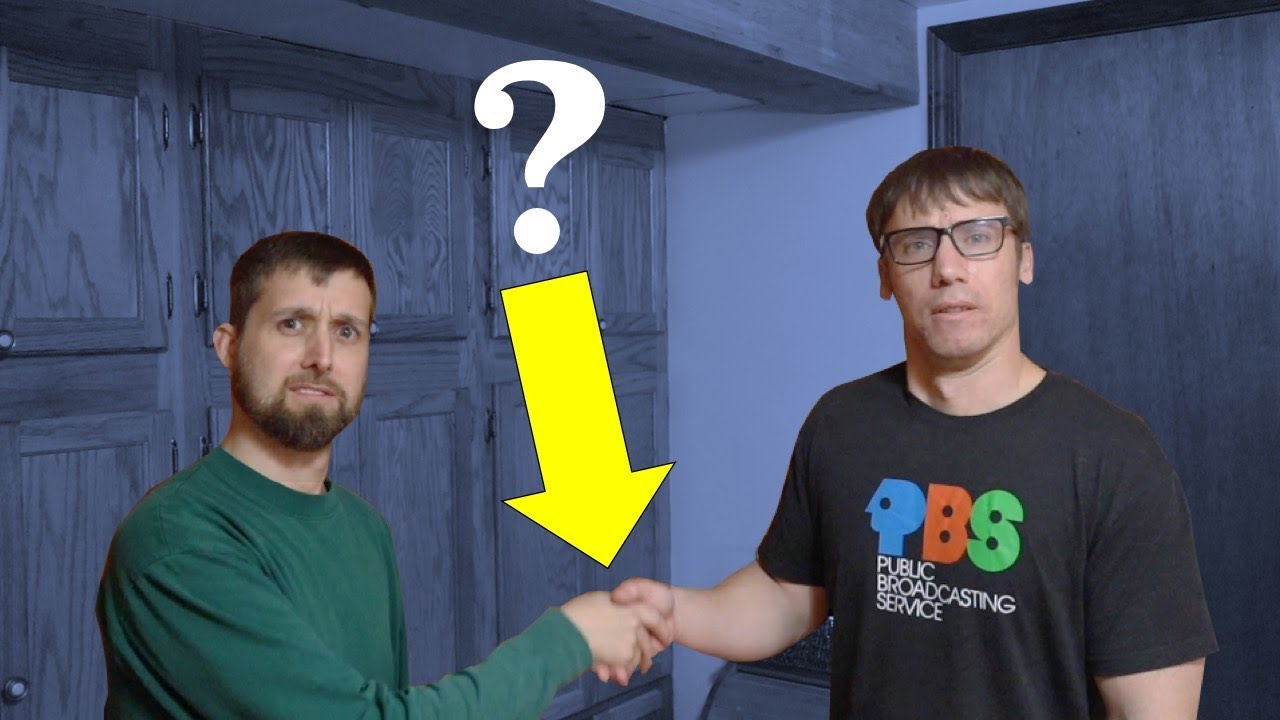
Why Do We Shake Hands?
Posted
April 24, 2020
Views
29,525
Likes
1,447
Comments
258
Engagement
5.77%
April 24, 2020
29,525
1,447
258
5.77%
Every word spoken in this episode is indexed. Type any phrase to jump straight to the moment it was said.
Type any word or phrase that may have been spoken. Click a result to seek the player to that exact moment.
Try a name, a topic, or a quoted line
See what was published immediately before and after this episode.
 6:55Now Playing
Mr. Beat explains the handshake. Why do we do it? Will we ever stop shaking hands?
Produced by Matt Beat. All images and video by Matt Beat or used under fair use guidelines. Music by Electric Needle Room (Mr. Beat's band).
Check out Electric Needle Room's children's album, "Just Kidding Around:"
Have a great idea for a video you want Mr. Beat to make? Your idea gets picked when you donate on Patreon
Donate on Paypal
Buy Mr. Beat Tshirts, coffee mugs, etc.
Mr. Beat's band
Mr. Beat on Twitter
Mr. Beat on Facebook
Mr. Beat on Instagram
Mr. Beat's Discord server
Sources/further reading:
Creative commons credits:
Kance
Siouxsie Wiles and Toby Morris
Adam Sandler thinks we're never gonna shake hands again
Generally speaking, the two main reasons why we shake hands are
1) for greetings or farewells
2) to show we have reached an agreement or made a deal
So when we first meet up with our friends, especially when we haven’t seen them in awhile, we often shake hands. When we leave our friends, one of the last things we sometimes do is shake their hands.
Anyway, we often do it to introduce ourselves.
And we do it to show we agree with someone, or made a deal with that person. You know, like a contract. We shake hands to congratulate others, or to thank them. It’s a gesture that shows trust and respect, which is why you see athletes shaking hands at sporting events.
Now, there are parts of the world where they don’t shake hands as often. There are also other parts of the world where they don’t even do it at all, and we’ll get to that in a moment, but the vast majority of human beings around the world regularly shake hands with other humans.
So when did it start? Well, there is this which might just be the earliest documented handshake in history. That was way back in the ninth century B.C. And we also know the ancient Greeks shook hands as early as the fifth century BC.
But likely, humans were shaking hands long before the Assyrians, Babylonians, and Greeks. So why? Well, some historians believe the handshake originated as a way to show others that your hand holds no weapon, and by making contact with another’s hand, you would not be stealing their weapon. It was a gesture of peace. The Romans later made the practice of handshakes more widespread.
Handshakes quickly spread around the world, but they looked different in different places. Historians often credit the root of the modern handshake with the Quakers of the 1600s, who valued the handshake as a better way to show folks you meet that you’re not better than them.
Today, while folks in nearly every country on the planet shake hands, there are alternatives to show greetings and mutual respect.
For example, there is the customary Hindu greeting of Namaste. And just straight up bowing is common in places like Japan.
Meanwhile, in Nazi Germany, at least according to Jojo Rabbit.
But again, actually right now most people are NOT shaking hands due to this current pandemic. But what about after the pandemic? Is the handshake going away any time soon? There is evidence that the handshake was losing popularity before this pandemic. Meanwhile, the fist bump has been rising in popularity, and so has the magical elbow bump since the pandemic began. Still, we’ve been through plenty of pandemics before, and the handshake has persisted. I really don’t think it’s going away any time soon. We’ve been doing it for literally thousands of years, and it is such a pervasive way to quickly show trust, respect, and love.
Now, if they’re close friends or family, obviously we might hug them instead.
#covid19 #shakinghands #socialstudies
Sentinel Indexing in Progress
Metadata and chapters are available. Claim extraction for this episode is pending.
All video content is delivered via YouTube embedded players in accordance with the YouTube Terms of Service. Sentinel provides research tools that promote discovery and accountability across political media.