Matt Beat
@iammrbeat·1.4M subscribers·960 videos
The Sexual Politics of Dracula
Posted
October 30, 2020
Views
270,427
Likes
12,977
Comments
1,245
Engagement
5.26%
October 30, 2020
270,427
12,977
1,245
5.26%
Every word spoken in this episode is indexed. Type any phrase to jump straight to the moment it was said.
Type any word or phrase that may have been spoken. Click a result to seek the player to that exact moment.
Try a name, a topic, or a quoted line
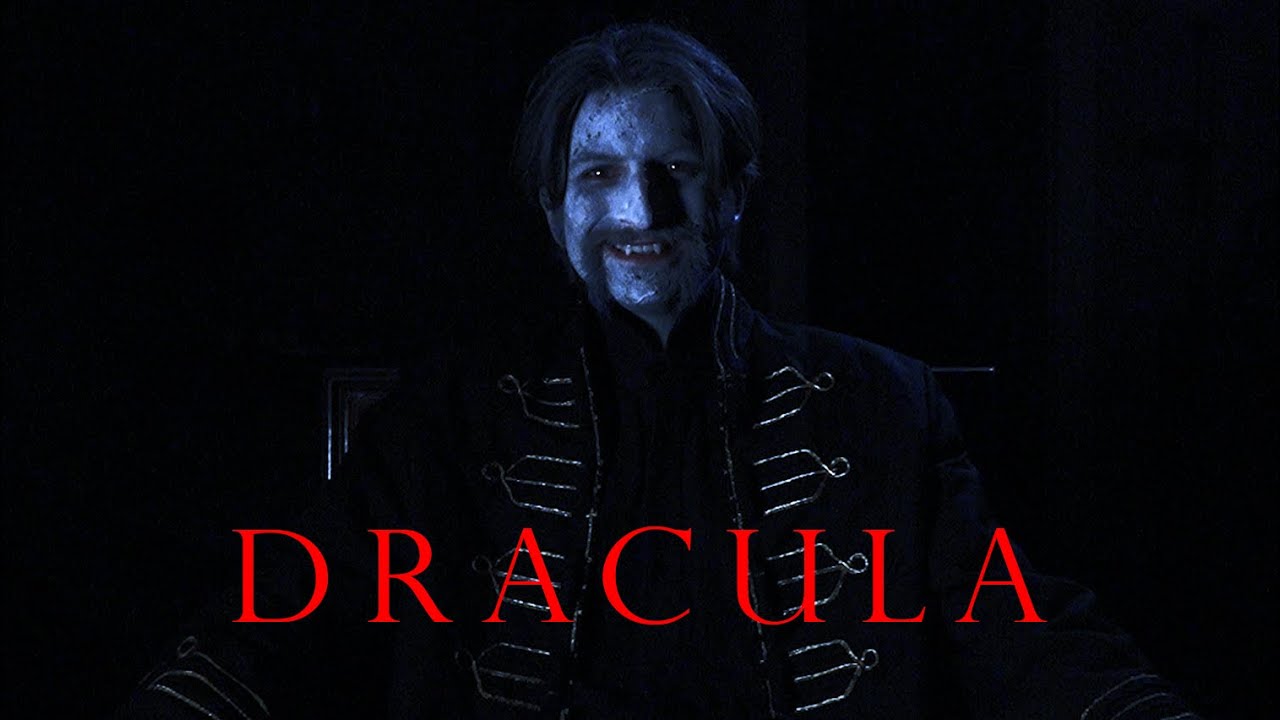 55:31Now Playing
An in-depth analysis of Dracula, the original 1897 book by Bram Stoker, possibly the most influential horror novel ever written. Why has the Count enjoyed such longevity in popular culture? What made Dracula so scary for Victorian readers? And what – pray tell – makes vampires so attractive?
Support AtunShei Films on Patreon ►
Leave a Tip via Paypal ►
Buy Merch ►
Official Website ►
Original Music by Dillon DeRosa ►
~REFERENCES~
[1] “Dracula Movies” (2016). IMDB
[2] Leslie S. Klinger. The New Annotated Dracula (2008). W.W. Norton & Company, Page xvi
[3] Klinger, Page xxi
[4] Dr. Andrzej Diniejko. “Slums and Slumming in LateVictorian London.” The Victorian Web
[5] Gill Davies. “London in Dracula; Dracula in London” (2004). Literary LondonInterdisciplinary Studies in the Representation of London, Volume 2 Number 1
[6] Klinger, Page xxxii-xli
[7] “An 1897 Review of Bram Stoker’s Dracula” (2019). Literary Hub
[8] “The Spectator’s Review of Dracula, 1897” (2012). The Spectator
[9] Holly Furneaux. “Victorian Se•ualities” (2014). British Library
[10] Klinger, Page xvii-xviii
[11] Greg Buzwell. “Daughters of DecadenceThe New Woman in the Victorian Fin De Siécle” (2014). British Library
Sentinel Indexing in Progress
Metadata and chapters are available. Claim extraction for this episode is pending.
All video content is delivered via YouTube embedded players in accordance with the YouTube Terms of Service. Sentinel provides research tools that promote discovery and accountability across political media.