
The Worst U.S. Presidential Election Prediction in History
October 29, 2024
376,061
21,611
565
5.90%
Search the Record
IndexedEvery word spoken in this episode is indexed. Type any phrase to jump straight to the moment it was said.
Type any word or phrase that may have been spoken. Click a result to seek the player to that exact moment.
Try a name, a topic, or a quoted line
Matt Beat Episodes Around October 29, 2024
See what was published immediately before and after this episode.




 1:20Now Playing
The Worst U.S. Presidential Election Prediction in History




YouTube Description
as posted by the channelMr. Beat briefly tells the story of the worst presidential election prediction in history.
Produced by Matt Beat.
Sources/further reading:
Moon, N. (1999). Opinion polls - History, theory and practice. Manchester: Manchester University Press.
Join this channel to get access to perks:
For business inquiries or to send snail mail to Mr. Beat:
How to support and donate to my channel:
Subscribe to @iammrbeat & hit the notification bell 🔔
Join for great perks on Patreon
Donate to Mr. Beat on Paypal
Buy Mr. Beat a coffee
Subscribe to my second channel: The Beat Goes On
Patreon for The Beat Goes On
Connect with me:
@beatmastermatt on Twitter
Merch:
Affiliate Links:
Useful Charts
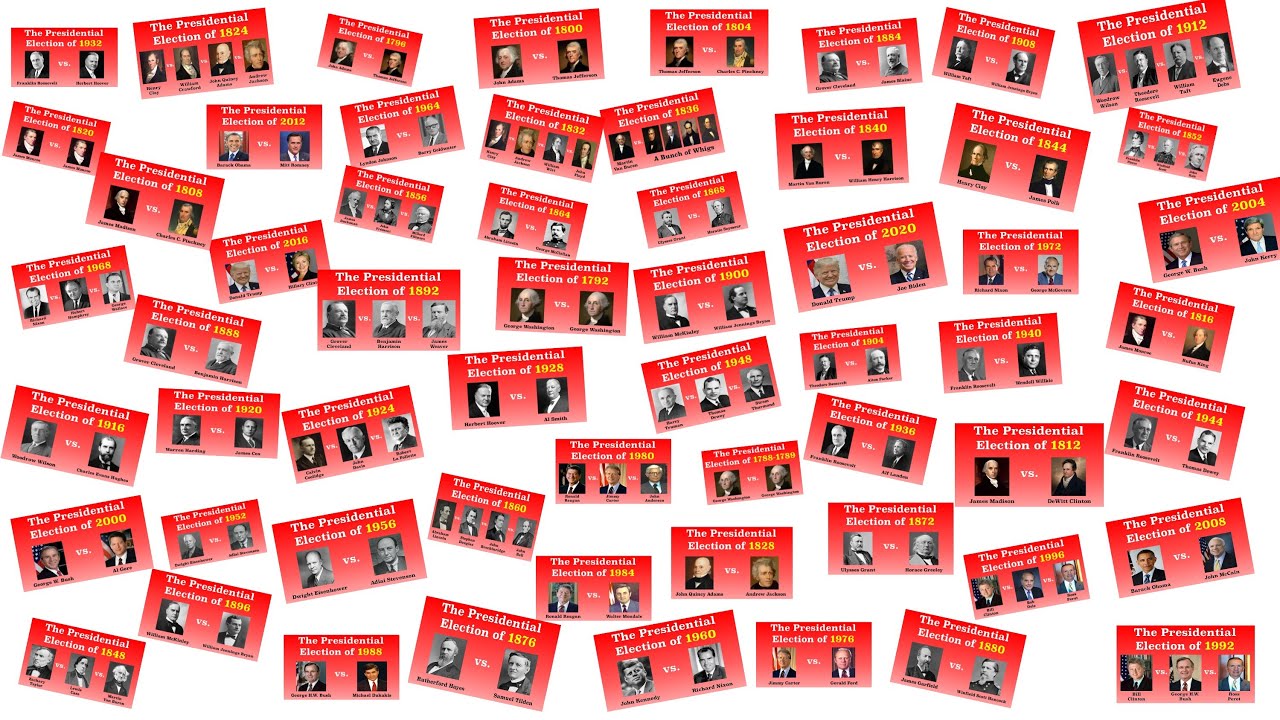
In 1936, President Franklin Roosevelt ran for re-election. His main opponent? Alf Landon, the Governor of Kansas.
Throughout the year, a magazine known as The Literary Digest polled its readers, asking who they were voting for. Roosevelt or Landon? They sent out an impressive 10 million ballots and got back more than 2 million responses. According to the ballots, Landon would win the popular vote 57% to 43%. Indeed, they predicted Landon would win in a landslide.
Uhhh, but no. Absolutely not. In fact, the exact opposite happened. Roosevelt beat Landon in one of the most lopsided presidential election victories in American history.
The actual result? Roosevelt won 62% of the popular vote with Landon only getting 37%. The Literary Digest overestimated Landon’s support by 20 percentage points.
So why did The Literary Digest get it so wrong? Mainly because there was a participation bias, meaning the volunteers who actually responded were just generally not a good sample of the entire population. For example, it was mostly wealthier voters who responded, when most Roosevelt voters were not wealthy.
The Literary Digest lost a lot of credibility due to this election, and would stop publishing four years after the election.
Links & Promotions
Guests & Subjects Covered
Sentinel Indexing in Progress
Metadata and chapters are available. Claim extraction for this episode is pending.
All video content is delivered via YouTube embedded players in accordance with the YouTube Terms of Service. Sentinel provides research tools that promote discovery and accountability across political media.