Military1945
@m1945·37K subscribers·441 videos
Ukraine under German occupation until the Russian reoccupation, Alfred Rosenberg, Erich Koch, Lhose
Posted
February 22, 2022
Views
9,795
Likes
482
Comments
75
Engagement
February 22, 2022
9,795
482
75
5.69%
Every word spoken in this episode is indexed. Type any phrase to jump straight to the moment it was said.
Type any word or phrase that may have been spoken. Click a result to seek the player to that exact moment.
Try a name, a topic, or a quoted line
 8:03Now Playing
SUPPORT THE CHANNEL and get access to exclusive film footage
www.Patreon.com/Military1945
Episode 102
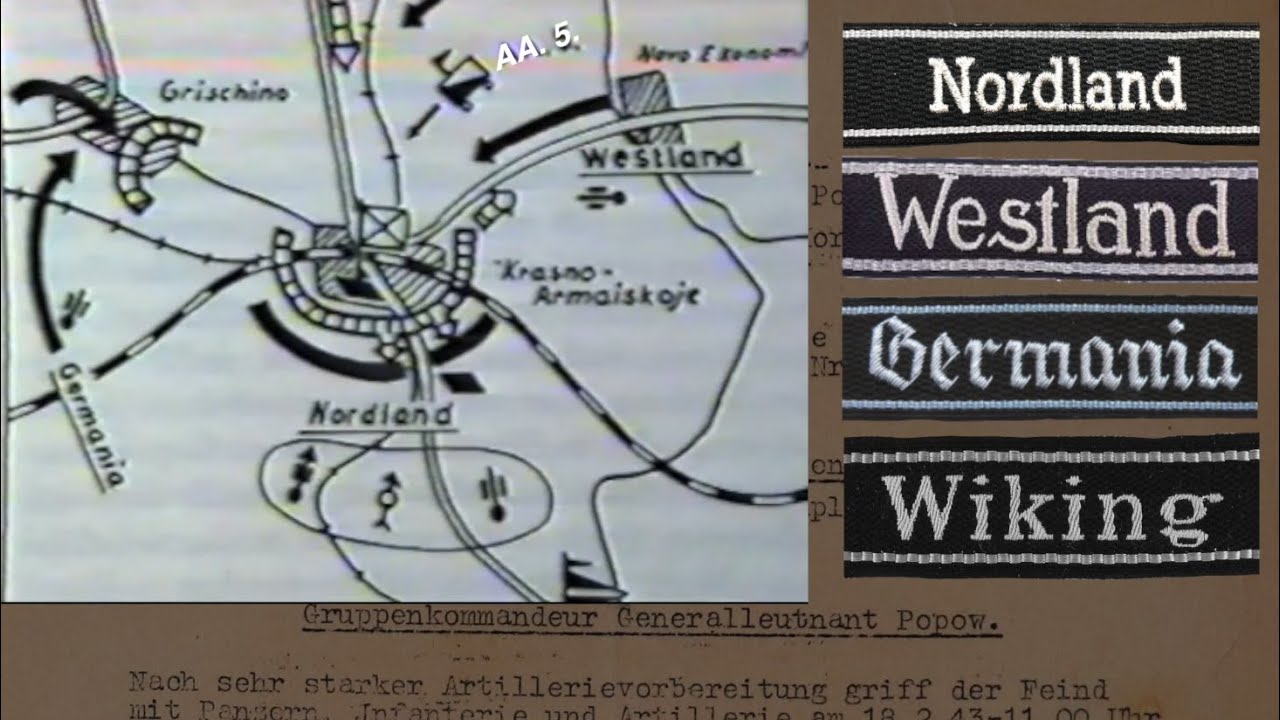
This map shows the German fight against partisans in 1942. Although this is not the content that we are focusing on, the map serves well to show the political boundaries set up of the occupied eastern territory.
Reichsminister Alfred Rosenberg, Nazi Germany’s chief racial theorist, was officially responsible for managing the combined occupied territories in the East. Hinrich Lohse was the Reichskommissar for Reichskommissariat Ostland which included Estonia, Latvia, Lithuania and Belarus. Erich Koch was Reichskommisar for the Reichskommisariat of the Ukraine.
This is a collection of the periodical Die Deutsche Polizei for 1942 which was published for members of the German security services including the SS, SD and the Gestapo. Since it was published exclusively for members of these organizations, it’s an outstanding historical source.
The article about agricultural policy in the Ukraine is what we are looking at today but the photo and caption in the middle is important historically. It shows a ceremony in Prague celebrating the renaming of a bank of the Moldau river after Reinhard Heidrich the man who was made responsible for the carrying out the Final Solution who had been assassinated on June 4, of 1942.
State Secretary Frank spoke of the Blutschuld or Blood guilt, that the entire Czech population will continue to carry for having taken part and allowing the killing to take place until his work is brought to a conclusion.
This article...
As far as the eye can see is flat steppe land converted into agricultural fields of sunflower and corn. The process of bringing the harvest in is moving slowly and the Police Inspector, who has already learned some Ukrainian, speaks with the laborer in charge. Again there aren’t enough workers present. Are they sick or do they simply prefer to rest? That needs to be checked. Most of the Ukrainians are willing and used to working but some believe that after working for a few days in the week that they’ve done enough. They’re not motivated believing that a few bags of wheat, corn and sunflowers are enough to make it through the winter.
The war now far away, has passed them by. They don’t fully understand that the high demand being put on them is because of the war.
Much of the tractors and machinery has either been destroyed by the Soviets or carried away so much of the heavy work must be done by oxen. Often using the sickle and scythe, the pick and shovel is necessary. There are some horses but they are needed to transport the grain or are being used to repair the most important roads.
Police Inspectors have been spread out among the most important collective farms and spend most of the day traveling from one location to the next. They inspect the production, insure the regular transport of the product and are constantly faced with challenges that need to be overcome. Personally responsible for the results, they have managed to raise productivity impressively.
Sometimes it’s necessary deal with the laborers firmly, to shake them from their lethargy and disinterest. The Soviets didn’t take the time, they had other methods. They simply sent them to Siberia and that was that.
There are plenty of eggs but there is a complete lack of fruit and vegetables. The farmers have no understanding of the small home gardens. They have no salad, cauliflower, spinach, and no beans. The food here is just as monotonous as the landscape.
In the cities the food is more difficult to come by than in the countryside where it is produced. The laborers show up and try to sell foodstuff on the blackmarket at outrageous prices, using the dark of night as cover. This practice goes against the regulated markets with price controls and must be stamped out.
The only person the police inspector can really reply on is the German Agricultural Manager that they’ve been assigned. The Agricultural Manager is responsible for managing the operation locally. He is responsible for 6 to 10 collective farms which take up an area from 25,000 to 75,000 acres. In Germany the role of the Agricultural Manager would be divided among a team of individuals but here it is just one person. Their only support is one ethnic German Ukranian who translates.
Originally there were only a few hundred inspectors for all of the Ukraine who made sure that production made its way to the German Reich. Although there are now thousands of agricultural police inspectors, when considering the area being managed, there are still not enough.
This problem can only truly be resolved when tens of thousands of German farmers and settlers arrive with their German diligence and health. When the restraints of the war have been lifted, the Ukraine will finally achieve its potential making Germany and all of Europe completely self-sufficient.
Sentinel Indexing in Progress
Metadata and chapters are available. Claim extraction for this episode is pending.
All video content is delivered via YouTube embedded players in accordance with the YouTube Terms of Service. Sentinel provides research tools that promote discovery and accountability across political media.