
"Berlin was a Skeleton": An American GI's First Days in the Ruins (July 1945)
January 30, 2026
1,730
195
37
13.41%
Search the Record
IndexedEvery word spoken in this episode is indexed. Type any phrase to jump straight to the moment it was said.
Type any word or phrase that may have been spoken. Click a result to seek the player to that exact moment.
Try a name, a topic, or a quoted line
Military1945 Episodes Around January 30, 2026
See what was published immediately before and after this episode.



 9:00Now Playing
"Berlin was a Skeleton": An American GI's First Days in the Ruins (July 1945)


YouTube Description
as posted by the channelEpisode 319
*Explore the Full Archive (7,000+ Films)*
I’ve digitized over 7,000 rare films to preserve this history. Open a free account to browse and purchase raw high-res reels here:
*Support the Mission on Patreon*
Get exclusive access to raw footage and preview all upcoming uploads:
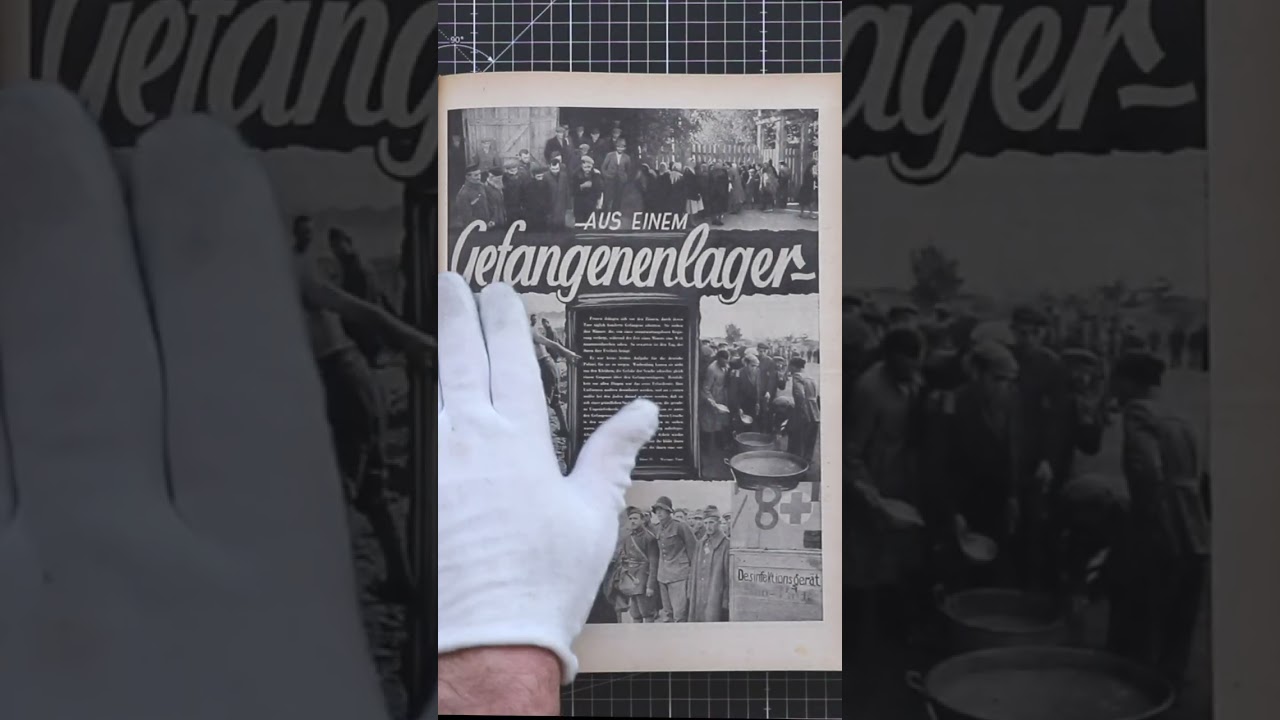
The treatment of German prisoners of war (POWs) and civilians after the 1945 surrender was defined by a stark contrast between Western Allied and Soviet occupation zones.
Treatment of Prisoners of War (POWs)
Conditions varied wildly based on which nation held the captives:
Soviet Union: Of the roughly 3 million German POWs held by the USSR, approximately 1 million died due to neglect, famine, and brutal conditions. Many were used as forced labor for nearly a decade; the last prisoners were not released until 1956.
United States & United Kingdom: Treatment was generally humane and followed the Geneva Convention. In the U.S., some POWs were paid wages, lived in comfortable barracks, and even developed friendly relations with locals.
France: Hundreds of thousands of German POWs were used for forced labor to rebuild the country, including dangerous tasks like mine-clearing, which caused thousands of casualties.
Legal Status: To bypass Geneva Convention protections regarding labor and rations, the Western Allies reclassified many captives as "Disarmed Enemy Forces" (DEFs) rather than POWs.
Treatment of German Civilians
German civilians faced a "savage peace" characterized by displacement and extreme hardship:
The "Wild Expulsions": Between 12 and 14 million ethnic Germans were violently expelled from territories in Poland, Czechoslovakia, and Hungary. Hundreds of thousands died from exposure, starvation, or execution during these forced marches.
Mass Violence in the East: During and after the conquest of Berlin, Soviet soldiers reportedly committed the mass rape of up to 2 million German women.
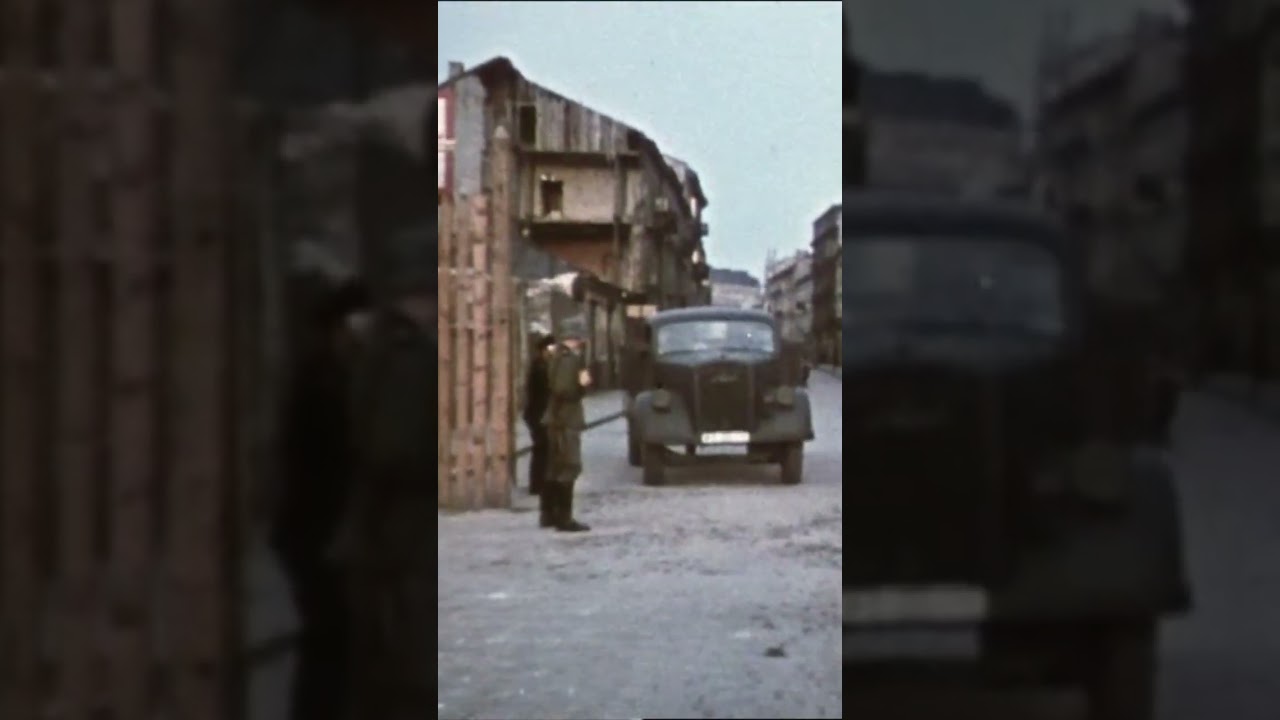
Life in the Ruins: Most of Germany was in total ruin, with up to 90% of some cities destroyed. Civilians, particularly the "Rubble Women" (Trümmerfrauen), were conscripted to manually clear millions of tons of debris.
Food & Survival: Starvation was widespread until the late 1940s. While the Marshall Plan eventually sparked a recovery, many Germans initially survived only through Allied food aid.
Links & Promotions
Guests & Subjects Covered
Sentinel Indexing in Progress
Metadata and chapters are available. Claim extraction for this episode is pending.
All video content is delivered via YouTube embedded players in accordance with the YouTube Terms of Service. Sentinel provides research tools that promote discovery and accountability across political media.