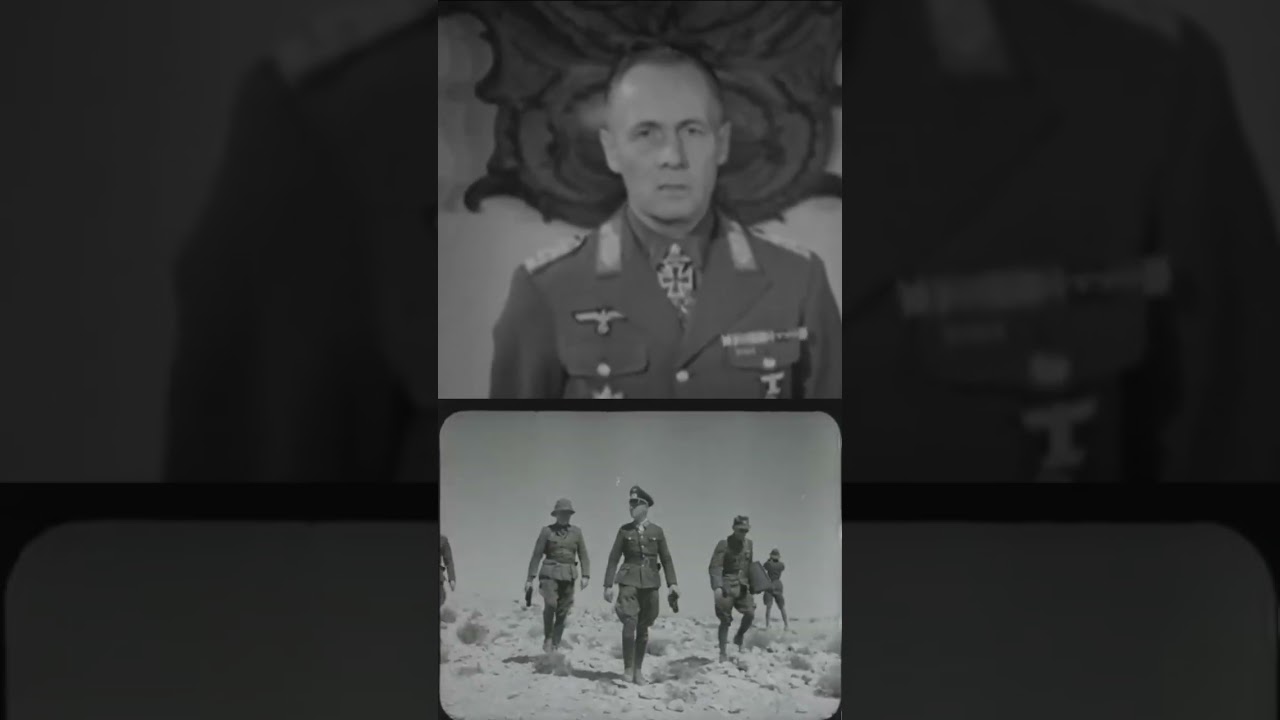
DEUTSCHES AFRIKAKORPS, in Rommels own words he describes operations in 1941/42 - E01
March 12, 2026
505
35
6.93%
Search the Record
IndexedEvery word spoken in this episode is indexed. Type any phrase to jump straight to the moment it was said.
Type any word or phrase that may have been spoken. Click a result to seek the player to that exact moment.
Try a name, a topic, or a quoted line
Military1945 Episodes Around March 12, 2026
See what was published immediately before and after this episode.



 0:32Now Playing
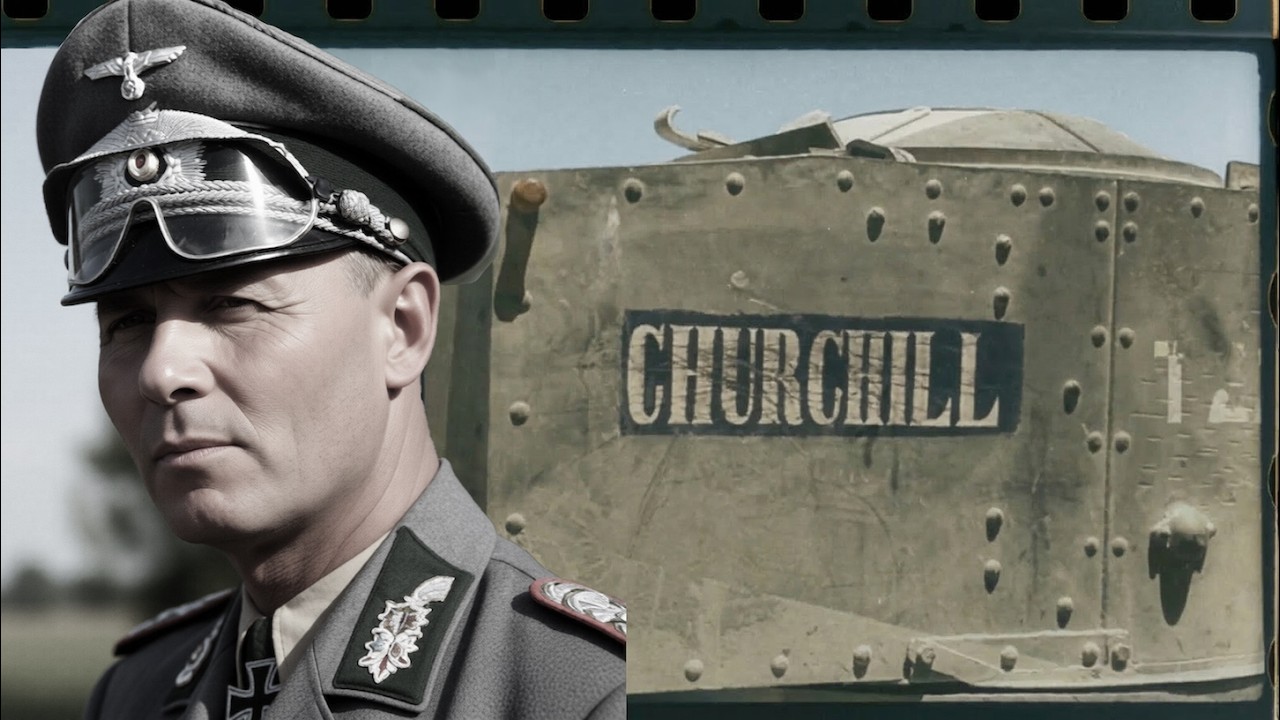
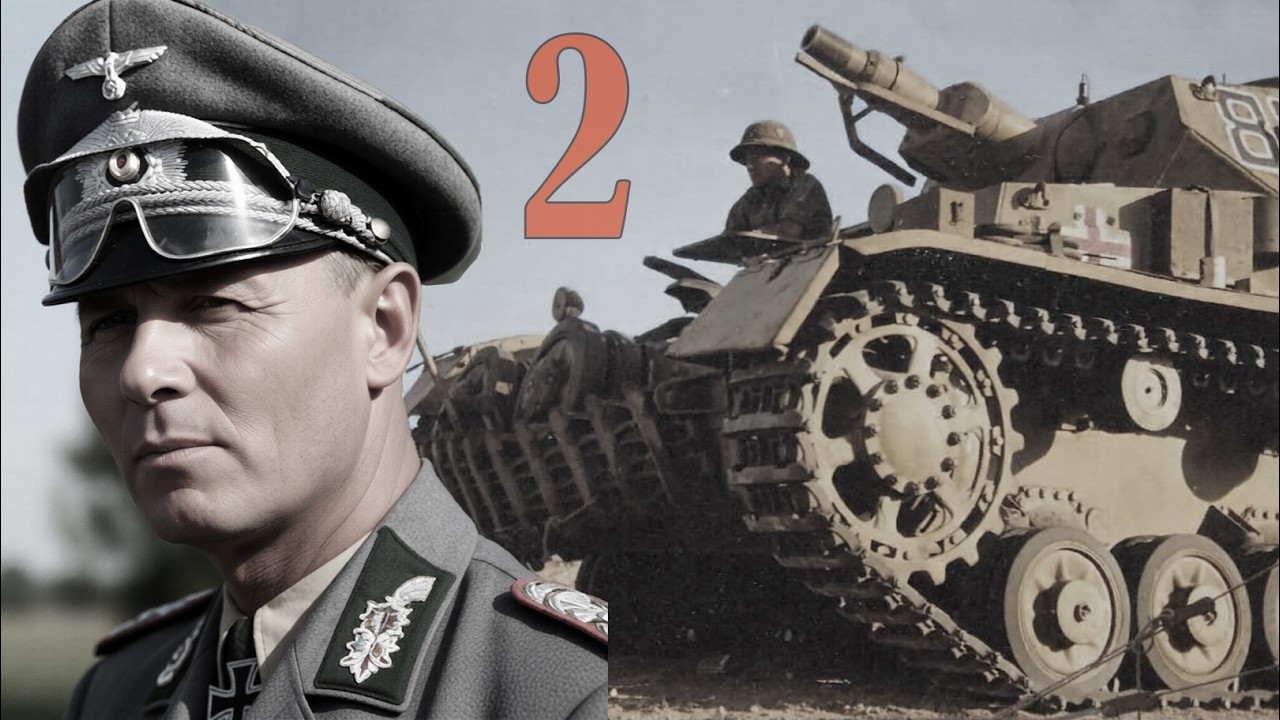
DEUTSCHES AFRIKAKORPS, in Rommels own words he describes operations in 1941/42 - E01



YouTube Description
as posted by the channel*Explore the Full Archive (7,000+ Films)*
I’ve digitized over 7,000 rare films to preserve this history. Open a free account to browse and purchase raw high-res reels here:
*Support the Mission on Patreon*
Get exclusive access to raw footage and preview all upcoming uploads:
Although Rommel had been ordered to simply hold the line, an armoured reconnaissance soon became a full-fledged offensive from El Agheila in March. In March–April, Allied forces were forced back[47] and leading general officers captured. The Australian 9th Infantry Division fell back to the fortress port of Tobruk,[48] and the remaining British and Commonwealth forces withdrew a further 160 kilometres (100 mi) east to the Libyan–Egyptian border. With Tobruk under siege by the main Italian-German force, a small battlegroup continued to press eastwards. Capturing Fort Capuzzo and Bardia in passing, it then advanced into Egypt, and by the end of April it had taken Sollum and the tactically important Halfaya Pass. Rommel garrisoned these positions, reinforcing the battle-group and ordering it onto the defensive.
Though isolated on land, Tobruk's garrison continued to receive supplies and replacements, delivered by the Royal Navy at night. German and Italian forces did not have the strength or training to take the fortress. This created a supply problem for his forward units. His front-line positions at Sollum were at the end of an extended supply chain that stretched back to Tripoli and had to bypass the coast road at Tobruk. Further, he was constantly threatened with a breakout of the British forces at Tobruk.[52] Without Tobruk in Axis hands, further advances into Egypt were impractical.[53][54]
The Allies launched a small-scale counter-attack called Operation Brevity in an attempt to push Axis forces off the key passes at the border, with some initial success. However they could not hold the advance positions and followed Brevity up with a much larger-scale offensive, Operation Battleaxe intended to relieve the siege at Tobruk, but this operation also failed. Following the failure of Operation Battleaxe, Archibald Wavell was relieved of command and replaced by Claude Auchinleck. The Western Desert Force was reinforced with a second corps, XXX Corps, with the two corps forming the Eighth Army. Eighth Army was made up of army forces from the Commonwealth nations, including the British Army, the Australian Army, the Indian Army, the New Zealand Army, the South African Army, and the Sudan Defence Force. There was also a brigade of Free French under Marie-Pierre Koenig.
British Crusader tanks during the Operation Crusader, 26 November 1941.
The new formation launched a new offensive, Operation Crusader, in November. After a see-saw battle, the 70th Division garrisoning Tobruk was relieved and the Axis forces were forced to fall back. By January 1942, the front line was again at El Agheila.
After receiving supplies and reinforcements from Tripoli, the Axis attacked again, defeating the Allies in the Battle of Gazala in June and capturing Tobruk. The Axis forces drove the Eighth Army back over the Egyptian border, but their advance was stopped in July only 90 miles (140 km) from Alexandria in the First Battle of El Alamein.
General Auchinleck, although he had checked Rommel's advance at the First Battle of El Alamein, was replaced by General Harold Alexander. Lieutenant-General William Gott was promoted from XIII Corps commander to command of the entire Eighth Army, but he was killed when his aircraft was intercepted and shot down over Egypt. He was replaced by Lieutenant-General Bernard Montgomery.
At the end of June, Axis forces made a second attempt to break through the Allied defences at El Alamein at Alam Halfa, but were unsuccessful. After a lengthy period of build-up and training, the Eighth Army launched a major offensive, decisively defeating the Italian-German army in the Second Battle of El Alamein in late October, driving Axis forces west and capturing Tripoli in mid-January 1943. By February, the Eighth Army was facing the Italian-German Panzer Army near the Mareth Line and came under command of Alexander's 18th Army Group for the concluding phase of the war in North Africa – the Tunisia campaign.
Of great significance, on 29 June reports of British military operations in North Africa sent to Washington by the US military attaché in Cairo, Bonner Fellers, no longer used the compromised "Black Code" which the Axis forces had been reading, so the Axis could no longer learn of British "strengths, positions, losses, reinforcements, supply, situation, plans, morale etc" as they had since 1940.
Links & Promotions
Guests & Subjects Covered
Sentinel Indexing in Progress
Metadata and chapters are available. Claim extraction for this episode is pending.
All video content is delivered via YouTube embedded players in accordance with the YouTube Terms of Service. Sentinel provides research tools that promote discovery and accountability across political media.