Military1945
@m1945·37K subscribers·441 videos
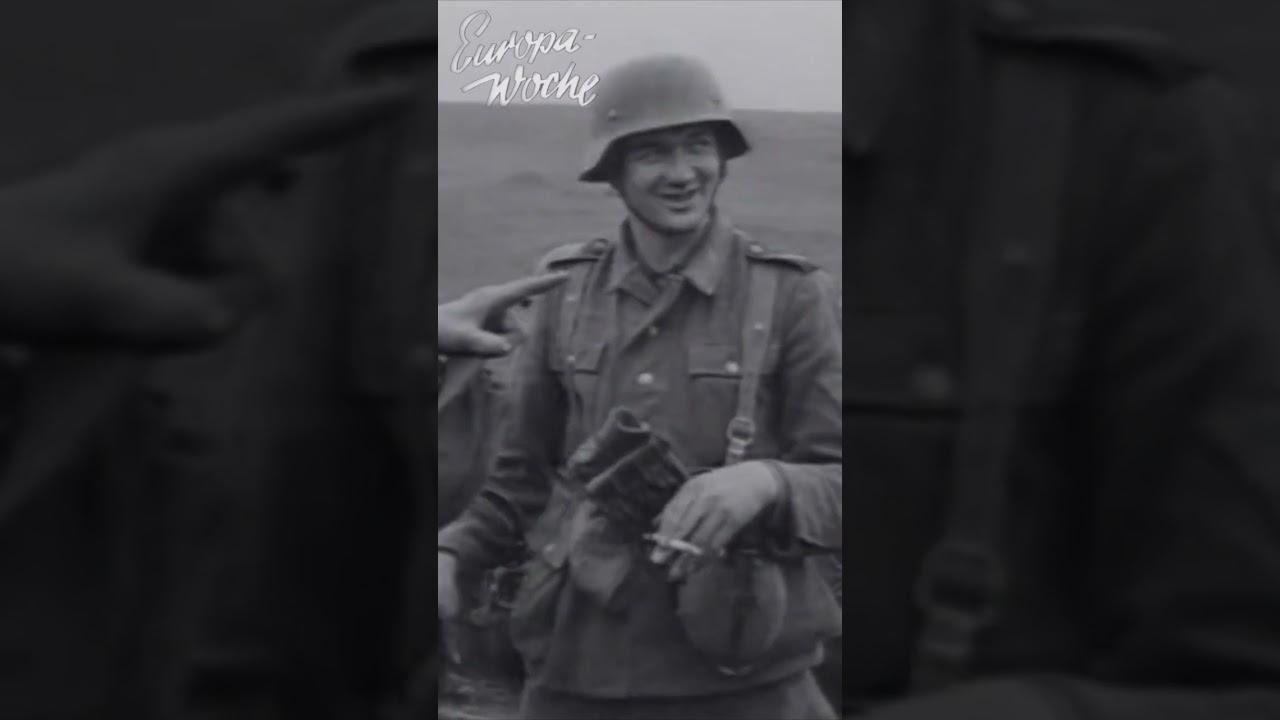
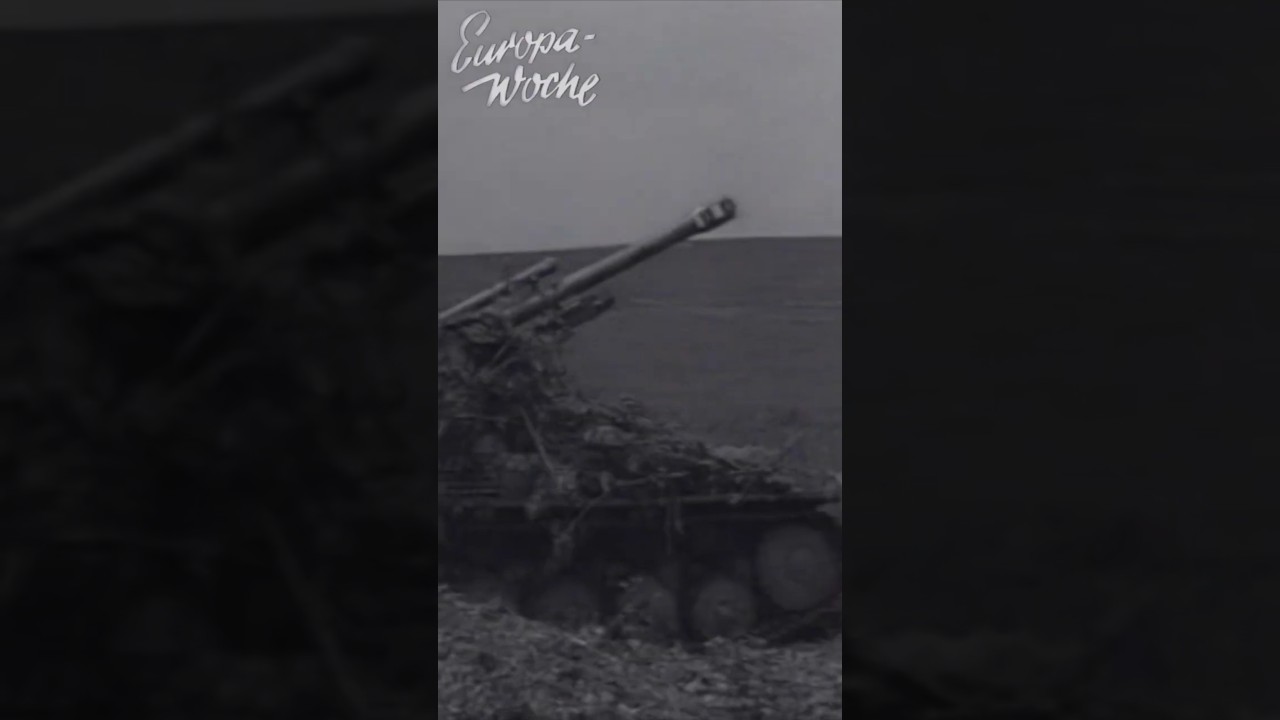
Defensive Maneuvers on the Atlantic Wall 1944 | ATW 580 #Normandy #Rommel #German Newsreel
Posted
April 18, 2026
Views
2,516
Likes
93
Comments
3
Engagement
April 18, 2026
2,516
93
3
3.82%
Every word spoken in this episode is indexed. Type any phrase to jump straight to the moment it was said.
Type any word or phrase that may have been spoken. Click a result to seek the player to that exact moment.
Try a name, a topic, or a quoted line
 0:41Now Playing
*Explore the Full Archive (7,000+ Films)*
I’ve digitized over 7,000 rare films to preserve this history. Open a free account to browse and purchase raw high-res reels here:
*Support the Mission on Patreon*
Get exclusive access to raw footage and preview all upcoming uploads:
In 1944, German preparations in France focused on fortifying the coastline against an expected Allied invasion, constructing the "Atlantic Wall," and managing a tense occupation while preparing for a major, yet miscalculated, Allied attack. By the time of the Normandy landings on June 6, 1944, Germany had positioned 58 divisions in France and the Low Countries.
Key aspects of German preparations in France in 1944 included:
1. The Atlantic Wall and Coastal Defenses
Massive Fortification: Under Field Marshal Gerd von Rundstedt (Commander-in-Chief West) and later Erwin Rommel, the Germans poured vast amounts of concrete into gun emplacements, bunkers, and strongpoints along the northern French coastline.
Beach Obstacles: Beaches were heavily mined and fitted with steel obstacles designed to rip the bottoms out of landing craft.
Anti-Glider Measures: Fields inland were covered with obstacles (dubbed "Rommel's asparagus") to hinder glider landings, and some areas were flooded.
"Static" Divisions: Several divisions were designated as "static," stripped of mobile capabilities, and used to hold these coastal defenses.
2. Military Strategy and Miscalculations
Misplaced Expectations: Due to successful Allied deception (Operation Fortitude), the German High Command believed the main invasion would occur near the Pas de Calais, not Normandy. Consequently, many forces were positioned far from the actual landing sites.
Command Disagreements: There was significant tension regarding strategy, with Commanders often not on the same page regarding the deployment of Panzer divisions.
Weakened Forces: Many units in France were "burnt out" or resting from the Eastern Front, while the Luftwaffe had pulled most of its aircraft back to Germany, leaving only about 555 usable aircraft in Western Europe by D-Day.
3. Internal Security and Control
Anti-Resistance Measures: The Gestapo and military units were actively attempting to counter rising French Resistance activities, including executing members of the FFI (French Forces of the Interior).
Emergency Plans: As Allies approached, especially after the collapse of the Normandy front, the Germans prepared for retreat and implemented scorched-earth tactics, including orders from Hitler to destroy Paris.
Wikipedia
Wikipedia
+3
4. Post-D-Day Preparations
Retreat to the Seine: Following the Falaise Pocket defeat, German forces were forced into a desperate retreat towards the Seine River in late August 1944.
Southern France Defense: Army Group G defended the south, but was relatively weak and forced to fall back after the Operation Dragoon landings in August.
The "Siegfried Line": As Allied forces advanced, German troops began retreating to the Siegfried Line, a system of bunkers and mines on the German border, by September 1944.
Sentinel Indexing in Progress
Metadata and chapters are available. Claim extraction for this episode is pending.
All video content is delivered via YouTube embedded players in accordance with the YouTube Terms of Service. Sentinel provides research tools that promote discovery and accountability across political media.