Who needs to know where you are?
June 12, 2026
52
2
3.85%
Search the Record
IndexedEvery word spoken in this episode is indexed. Type any phrase to jump straight to the moment it was said.
Type any word or phrase that may have been spoken. Click a result to seek the player to that exact moment.
Try a name, a topic, or a quoted line
NPR Podcasts Episodes Around June 12, 2026
See what was published immediately before and after this episode.




 21:49Now Playing
Who needs to know where you are?




YouTube Description
as posted by the channelIs location tracking building relationships? Or ruining them?
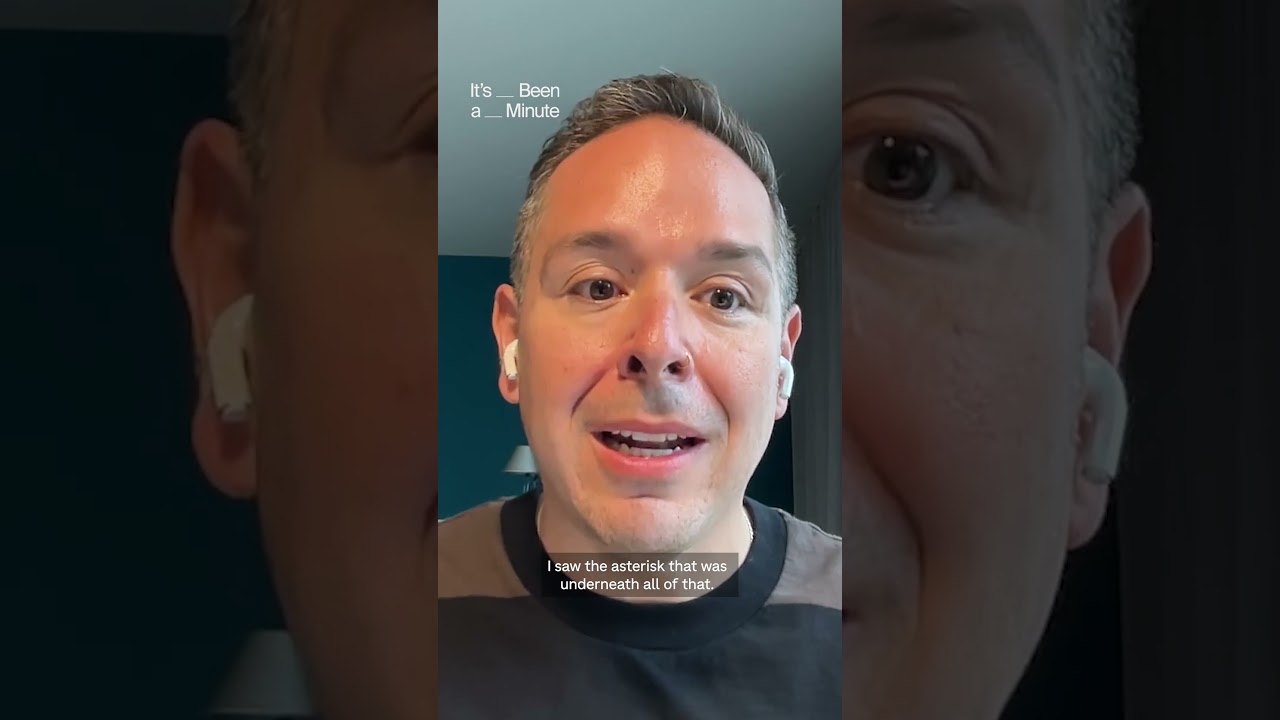
Four in 10 () U.S. adults share their locations with at least one person. But while it's convenient, is it also a violation of privacy? And who really needs to know where you are? We're getting into how location sharing became a norm, the pros and cons, and how to turn it off without making things weird.
Brittany breaks it all down with Gina Cherelus () , New York Times styles reporter and writer of their Third Wheel dating column, and Tatum Hunter () , internet culture reporter at The Washington Post.
This episode first aired on December 3, 2025.
For more episodes about where culture, tech, and relationships meet, check out:
The Coldplay kiss cam & moral surveillance ()
Me and my partner don't see eyetoeye about AI. Now what? ()
The joy of breaking up with dating apps ()
Support Public Media. Join NPR Plus. ()
Follow Brittany on Instagram@bmluse ()
For handpicked podcast recommendations every week, subscribe to NPR’s Pod Club newsletter at npr.org/podclub () .
See pcm.adswizz.com () for information about our collection and use of personal data for sponsorship and to manage your podcast sponsorship preferences.
NPR Privacy Policy ()
Social
Links & Promotions
Guests & Subjects Covered
Sentinel Indexing in Progress
Metadata and chapters are available. Claim extraction for this episode is pending.
All video content is delivered via YouTube embedded players in accordance with the YouTube Terms of Service. Sentinel provides research tools that promote discovery and accountability across political media.