Npr
@npr·843K subscribers·3.4K videos
Bangladesh after the revolution: Muhammad Yunus envisions a new nation | Morning Edition | NPR
Posted
September 30, 2024
Views
30,573
Likes
1,009
Comments
233
Engagement
4.06%
September 30, 2024
30,573
1,009
233
4.06%
Every word spoken in this episode is indexed. Type any phrase to jump straight to the moment it was said.
Type any word or phrase that may have been spoken. Click a result to seek the player to that exact moment.
Try a name, a topic, or a quoted line
See what was published immediately before and after this episode.
 8:09Now Playing
Nobel Laureate Muhammad Yunus saw the trajectory of his life change after student-led protests this summer resulted in his installation as the interim leader of Bangladesh.
Autocratic former Prime Minister Sheikh Hasina fled to India in early August, as tens of thousands of demonstrators stormed her residence protesting against her leadership and a job quota system that favored certain groups.
Yunus saw these events unfolding from about 5,000 miles away in Paris, where he was attending the summer Olympics. Back then, he still faced possible jail time in Bangladesh on embezzlement charges, which he alleged was Hasina’s political prosecution.
But hours after Hasina’s ouster on Aug. 5, Yunus received a phone call. He was asked to serve as special advisor to the interim government. It was a “very strange turn of events,” he told NPR’s Morning Edition on Sept. 27 in New York City.
A 2006 Nobel Laureate, Yunus is known for founding Grameen Bank and pioneering small loans for low income people as a way to fight poverty. When he was mired in legal trouble at home, world leaders from Barack Obama to former U.N. Secretary-General Ban Ki-moon expressed solidarity.
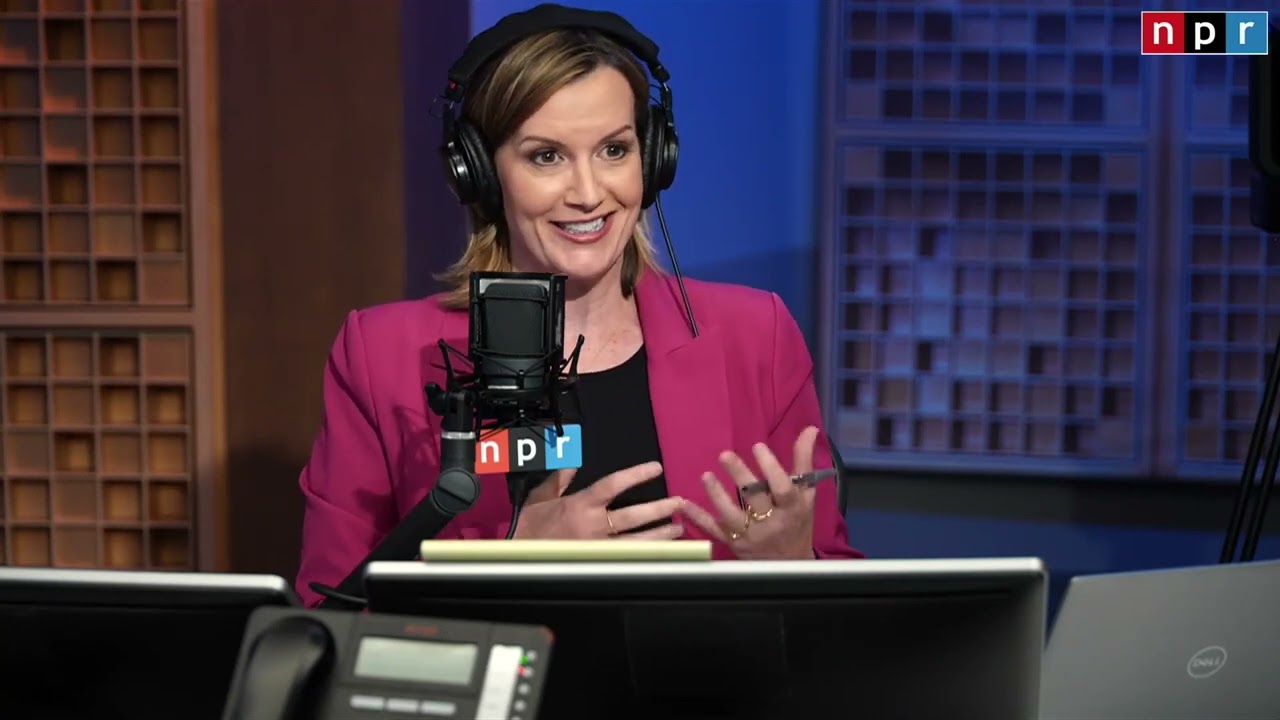
After Yunus spoke at the UN General Assembly, he sat down with NPR’s Michel Martin.
------------------------------------------------------
Follow NPR elsewhere, too:
Sentinel Indexing in Progress
Metadata and chapters are available. Claim extraction for this episode is pending.
All video content is delivered via YouTube embedded players in accordance with the YouTube Terms of Service. Sentinel provides research tools that promote discovery and accountability across political media.